Dental CAD CAM Systems: Basics, Benefits, and Digital Workflow Insights
Modern dentistry has changed significantly with the use of digital tools and advanced equipment.
One important innovation is dental CAD CAM systems, which help dental professionals create crowns, bridges, veneers, and other restorations with greater accuracy and faster production times.
The term CAD CAM stands for computer-aided design and computer-aided manufacturing. In simple words, this technology allows dental professionals to scan teeth digitally, create a virtual design, and produce dental restorations using automated milling equipment.
Digital dentistry is becoming more common because it improves workflow efficiency, enhances precision, and helps create more natural-looking results. Patients also benefit from shorter appointment times and improved comfort during dental procedures.
Understanding the Concept
Dental CAD CAM systems combine digital imaging, 3D design, and automated manufacturing into one connected process. Instead of using traditional molds and manual shaping methods, dental professionals can now use digital scanners and computer-guided production.
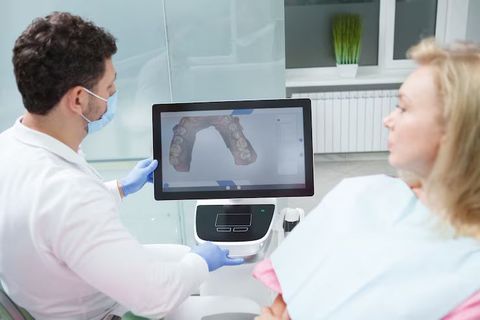
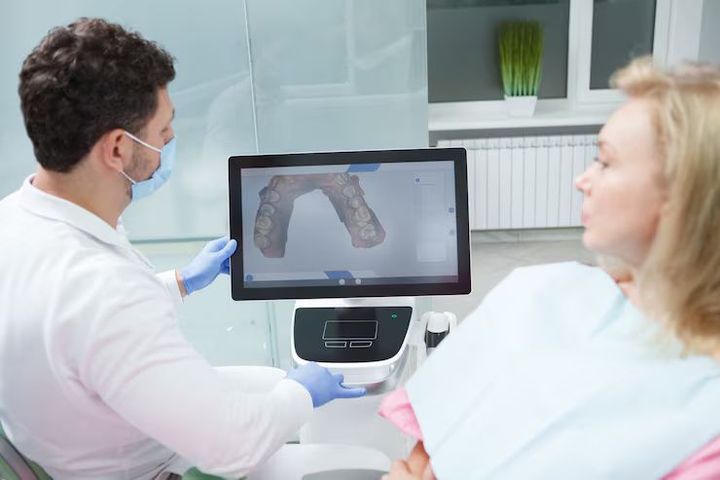
The process usually starts with a digital scan of the patient’s teeth. This scan creates a detailed 3D image inside a computer system. The restoration is then designed digitally and produced using specialized milling equipment or 3D printing methods.
This digital workflow helps reduce human error and improves the consistency of dental restorations. Many dental laboratories and clinics now use digital dentistry tools to improve treatment planning and restoration accuracy.
Some common restorations created through dental CAD CAM systems include:
- Dental crowns
- Bridges
- Veneers
- Inlays
- Onlays
- Implant restorations
- Dentures
The technology is also connected with modern dental imaging systems and advanced dental equipment used in restorative dentistry.
Key Types or Categories
There are several types of dental CAD CAM systems used in modern dentistry. Each category supports different clinical needs and digital workflow processes.
Chairside Systems
Chairside systems are used directly inside dental clinics. These systems allow same-day restoration creation in many situations.
A typical chairside setup includes:
- Intraoral scanner
- Design workstation
- Milling equipment
This setup helps reduce waiting time for patients because restorations can often be prepared during one appointment.
Laboratory Systems
Laboratory systems are commonly used by dental laboratories that produce large numbers of restorations daily.
These systems usually include:
- High-precision scanners
- Advanced design platforms
- Multi-axis milling machines
Laboratory systems often handle more complex restorations and larger production volumes.
Hybrid Digital Systems
Hybrid systems combine both clinic-based scanning and laboratory-based production. The dental clinic captures digital scans, while the laboratory completes the final restoration manufacturing process.
This workflow improves communication between clinics and laboratories and helps maintain restoration precision.
Important Subsections
Digital Scanning Technology
Digital scanners replace traditional impression materials in many clinics. Instead of using physical molds, scanners capture detailed images of teeth and gums.
Benefits of digital scanning include:
- Improved patient comfort
- Faster image capture
- Better accuracy
- Reduced need for retakes
Modern intraoral scanners can capture highly detailed images within minutes.
Dental Milling Equipment
Milling equipment shapes restorations from ceramic or composite blocks. These automated systems follow digital instructions created during the design stage.
Common materials used include:
- Zirconia
- Ceramic
- Composite resin
- Lithium disilicate
These materials are selected based on strength, appearance, and durability.
3D Dental Imaging
3D imaging improves treatment planning and restoration design. Digital imaging systems help dental professionals analyze tooth structure, bite alignment, and implant placement more accurately.
This technology supports:
- Implant planning
- Orthodontic evaluation
- Restorative procedures
- Smile design planning
How It Works
Dental CAD CAM systems follow a step-by-step digital workflow. Each stage is designed to improve accuracy and reduce manual work.
Step 1: Digital Tooth Scanning
The process begins with an intraoral scanner capturing images of the patient’s mouth. The scanner creates a detailed 3D model of the teeth and surrounding areas.
This digital impression replaces traditional dental molds in many cases.
Step 2: Digital Design Creation
After scanning, the restoration is designed using computer-based dental design tools. The system allows adjustment of shape, size, and bite alignment.
Dental professionals can view the restoration from multiple angles before production begins.
Step 3: Material Selection
The next step involves selecting the appropriate material for the restoration. Different materials are chosen depending on appearance requirements and tooth location.
For example:
- Ceramic materials are often used for visible front teeth
- Zirconia is commonly selected for strength in back teeth
Step 4: Automated Manufacturing
The design data is sent to milling equipment or 3D production systems. The restoration is shaped automatically according to the digital model.
This stage usually requires minimal manual adjustment.
Step 5: Final Placement
After polishing and finishing, the restoration is placed in the patient’s mouth. Final adjustments are made to ensure comfort and proper bite alignment.
The complete digital workflow improves precision and helps reduce production delays.
Benefits and Advantages
Dental CAD CAM systems provide several practical advantages for both dental professionals and patients.
Improved Accuracy
Digital scanning and automated production reduce the chances of manual errors. Better precision often leads to restorations that fit more comfortably.
Faster Workflow
Traditional restoration processes may require multiple appointments and laboratory steps. Digital workflows can shorten treatment timelines significantly.
Better Patient Comfort
Digital scanning is usually more comfortable than traditional impression materials. Patients often appreciate the quicker and cleaner process.
Natural Appearance
Modern ceramic materials and digital design tools help create restorations that closely match natural teeth.
Consistent Results
Automated manufacturing creates more uniform restorations compared to fully manual shaping methods.
Enhanced Communication
Digital files can be shared easily between clinics and laboratories. This improves collaboration during treatment planning.
Real-World Examples or Applications
Dental CAD CAM systems are widely used across many areas of modern dentistry.
Crown Restoration
A patient with a damaged tooth may receive a digitally designed crown. The scanner captures the tooth structure, and the crown is produced with precise dimensions.
This process improves fit and appearance.
Dental Implants
Digital imaging and CAD CAM systems help plan implant placement accurately. Customized implant restorations can then be created using digital production methods.
Cosmetic Dentistry
Smile enhancement procedures often use digital smile design tools. Veneers and cosmetic restorations are designed to match facial features and tooth alignment.
Orthodontics
Clear aligners and orthodontic appliances are frequently created using digital scanning and 3D production systems.
Full Mouth Rehabilitation
Complex dental restoration cases may involve multiple crowns, bridges, or implant-supported restorations. Digital workflows help organize and coordinate these larger treatments.
Important Factors to Understand
There are several important considerations when discussing dental CAD CAM systems.
Learning Curve
Dental professionals need proper training to use digital equipment effectively. Understanding digital design and scanning techniques is essential for successful results.
Equipment Compatibility
Different systems may use different file formats and production methods. Compatibility between scanners, design platforms, and milling equipment is important for smooth workflow integration.
Material Selection
Choosing the correct restoration material affects durability, appearance, and long-term performance.
Maintenance Requirements
Digital dental equipment requires regular maintenance and calibration to maintain accuracy.
Patient Suitability
Not every dental case follows the same workflow. Some complex situations may still require additional laboratory procedures or traditional methods.
Future Trends and Industry Insights
The future of digital dentistry continues to evolve rapidly. Dental CAD CAM systems are expected to become even more advanced and widely adopted.
Artificial Intelligence Integration
Artificial intelligence is beginning to assist with restoration design and treatment planning. AI-supported systems may help improve efficiency and reduce design time.
Advanced 3D Printing
3D printing technology is becoming increasingly important in dentistry. More dental restorations and appliances may be produced through advanced printing methods in the future.
Improved Scanner Accuracy
New scanning technologies continue to improve image quality and speed. Faster scanning may further enhance patient comfort and workflow efficiency.
Cloud-Based Collaboration
Digital dentistry increasingly supports remote collaboration between clinics and laboratories through cloud-based systems.
Personalized Dentistry
Future digital workflows may allow even greater customization for individual patients. Personalized restorations and smile designs are expected to become more common.
Conclusion
Dental CAD CAM systems have transformed modern dentistry through digital scanning, computer-based design, and automated manufacturing. These systems improve restoration accuracy, enhance workflow efficiency, and create more comfortable patient experiences.
Digital dentistry continues to expand across restorative, cosmetic, and implant procedures. From crowns and veneers to implants and orthodontic appliances, CAD CAM technology supports precise and consistent results.
As digital imaging, artificial intelligence, and 3D manufacturing continue to evolve, dental CAD CAM systems will likely play an even larger role in the future of modern dental care.
Disclaimer
The information provided in this article is for informational purposes only. We do not make any claims or guarantees regarding the accuracy, reliability, or completeness of the information presented. The content is not intended as professional advice and should not be relied upon as such. Readers are encouraged to conduct their own research and consult with appropriate professionals before making any decisions based on the information provided in this article.