Essential Hospital Equipment Guide for Modern Healthcare
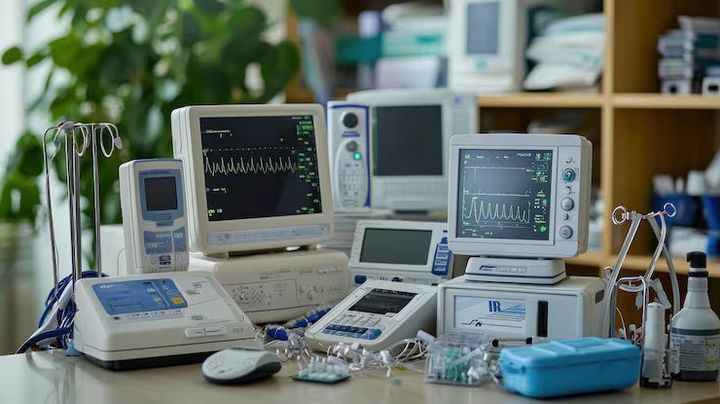
Hospital equipment refers to the medical devices, monitoring systems, diagnostic tools, and healthcare infrastructure used in hospitals and clinical environments. These tools support healthcare professionals in diagnosing conditions, monitoring patients, assisting treatments, and maintaining safe medical environments.
Hospital equipment refers to the tools, machines, and healthcare technologies used in medical facilities to support patient care, diagnosis, monitoring, and treatment. These systems are found in clinics, hospitals, emergency centers, laboratories, and rehabilitation units.
Modern healthcare depends heavily on reliable medical equipment because healthcare professionals need accurate information and efficient systems to make informed decisions. From simple diagnostic tools to advanced patient monitoring systems, every piece of equipment contributes to improving healthcare quality and patient safety.
Hospital equipment exists because healthcare services require precision, speed, and consistency. In earlier healthcare systems, many medical tasks relied mainly on manual observation and basic tools. As healthcare needs increased and medical science advanced, hospitals began using specialized equipment to improve diagnosis and treatment accuracy.
Today, hospitals use a wide range of equipment categories, including:
- Diagnostic equipment
- Monitoring devices
- Surgical instruments
- Imaging systems
- Laboratory technology
- Emergency response equipment
- Rehabilitation devices
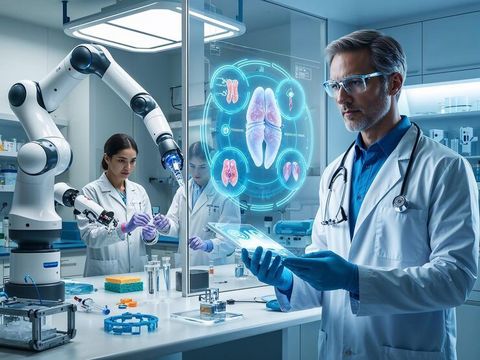
The development of digital healthcare systems has also changed how hospitals manage patient information and clinical operations. Many healthcare facilities now integrate smart technology, automation, and data analysis into medical equipment systems.
Common Types of Hospital Equipment
| Equipment Type | Main Purpose | Common Usage |
|---|---|---|
| Patient Monitors | Track vital signs | Intensive care units |
| Imaging Systems | Create internal body images | Radiology departments |
| Ventilators | Support breathing | Emergency and ICU care |
| Infusion Pumps | Deliver fluids and medication | Patient treatment rooms |
| Defibrillators | Restore heart rhythm | Emergency response |
| Laboratory Analyzers | Process medical tests | Clinical laboratories |
| Surgical Equipment | Assist medical procedures | Operating rooms |
Why Hospital Equipment Matters Today
Hospital equipment has become increasingly important because healthcare systems are handling larger patient populations, complex medical conditions, and growing demands for accurate diagnosis.
One major reason this topic matters today is patient safety. Reliable medical equipment helps healthcare providers detect health problems early, monitor patients continuously, and respond quickly during emergencies.
Advanced healthcare technology also improves treatment efficiency. For example, digital imaging systems allow doctors to identify medical conditions more accurately than traditional methods. Automated monitoring systems reduce manual errors and help medical teams manage critical care more effectively.
Healthcare equipment also affects:
- Hospitals and healthcare facilities
- Doctors and nurses
- Patients and families
- Medical researchers
- Public health organizations
- Emergency response systems
In rural and developing regions, access to modern healthcare equipment can improve healthcare delivery and reduce delays in diagnosis. Portable healthcare devices and telemedicine technologies are helping healthcare professionals reach more patients in remote locations.
Another important factor is data management. Many modern medical devices now connect with electronic healthcare records and digital healthcare platforms. This integration supports better communication between healthcare departments and improves patient record accuracy.
Impact of Smart Healthcare Technology
The healthcare industry is increasingly adopting smart healthcare systems that use automation, artificial intelligence, and connected devices. These technologies help healthcare professionals monitor patients in real time and improve operational efficiency.
Some modern healthcare trends include:
- Remote patient monitoring
- AI-assisted imaging analysis
- Cloud-based healthcare records
- Smart ICU systems
- Wireless patient monitoring
- Automated laboratory testing
Recent Updates in Hospital Equipment and Healthcare Technology
The healthcare technology sector experienced several important developments during 2025 and early 2026. Many hospitals worldwide focused on upgrading patient monitoring systems and improving digital healthcare infrastructure.
In 2025, healthcare facilities increased the use of connected medical devices that support real-time monitoring and faster communication between departments. Hospitals also expanded the use of predictive healthcare analytics to improve patient care planning.
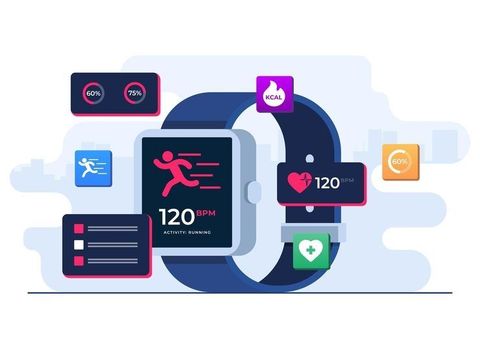
Several healthcare systems introduced advanced wearable monitoring devices for patient observation both inside and outside hospitals. These systems help healthcare providers track patient conditions continuously and reduce unnecessary hospital visits.
Artificial intelligence also became more integrated into medical imaging systems during 2025. AI-assisted diagnostic tools are now helping healthcare professionals analyze scans more efficiently while supporting faster reporting processes.
Healthcare cybersecurity became another major focus in late 2025 due to increased digital healthcare operations. Hospitals strengthened medical device security frameworks to protect patient information and connected healthcare systems.
Healthcare Technology Trends in 2025–2026
| Trend | Description |
|---|---|
| AI Diagnostic Systems | Improved image and data analysis |
| Remote Monitoring | Expanded patient observation tools |
| Smart ICU Equipment | Automated patient tracking systems |
| Digital Healthcare Records | Better information management |
| Cybersecurity Integration | Protection for healthcare systems |
| Portable Medical Devices | Flexible healthcare delivery |
Many countries also increased healthcare infrastructure investments during this period to modernize hospitals and improve emergency preparedness.
Laws and Policies Related to Hospital Equipment
Hospital equipment is regulated by healthcare laws, safety standards, and medical device policies. Governments and healthcare authorities establish rules to ensure that medical devices are safe, accurate, and properly maintained.
Medical equipment regulations generally focus on:
- Patient safety
- Device quality standards
- Equipment testing
- Data security
- Maintenance requirements
- Clinical performance standards
In India, healthcare equipment is influenced by national healthcare regulations and medical device frameworks. Regulatory authorities oversee the approval and monitoring of medical devices used in hospitals and clinics.
Healthcare facilities are often required to follow guidelines related to:
- Equipment sterilization
- Device calibration
- Electrical safety
- Patient data privacy
- Emergency preparedness
Many countries also follow international healthcare standards for medical equipment manufacturing and clinical use. These standards help improve consistency and reliability across healthcare systems.
Digital healthcare policies are becoming increasingly important because hospitals now use connected healthcare technologies and electronic medical records. Governments are updating healthcare data protection policies to address cybersecurity and patient privacy concerns.
Healthcare authorities also encourage hospitals to improve accessibility, emergency response capacity, and digital healthcare integration through updated healthcare frameworks and modernization programs.
Tools and Resources for Hospital Equipment Management
Healthcare professionals and medical institutions use various tools and resources to manage hospital equipment efficiently. These tools support maintenance, inventory tracking, training, compliance, and healthcare operations.
Common healthcare resources include:
- Equipment maintenance templates
- Medical inventory management systems
- Clinical training platforms
- Healthcare compliance checklists
- Digital healthcare dashboards
- Patient monitoring software
- Medical device tracking systems
Hospitals also use healthcare analytics tools to monitor equipment performance and identify maintenance needs. Predictive maintenance systems help reduce equipment downtime and improve operational reliability.
Learning resources are widely available for healthcare workers who need training on medical technology systems. These include online healthcare education modules, simulation-based learning tools, and certification programs.
Helpful Healthcare Resource Categories
| Resource Type | Purpose |
|---|---|
| Inventory Management Tools | Track medical equipment |
| Compliance Checklists | Support regulatory standards |
| Clinical Training Platforms | Improve healthcare knowledge |
| Maintenance Schedules | Monitor equipment condition |
| Data Analytics Dashboards | Analyze healthcare operations |
| Cybersecurity Frameworks | Protect healthcare systems |
Healthcare organizations also use emergency preparedness tools to improve response planning during public health events and hospital emergencies.
Frequently Asked Questions
What is considered essential hospital equipment?
Essential hospital equipment includes patient monitors, ventilators, imaging systems, infusion pumps, laboratory analyzers, surgical instruments, and emergency response devices used in patient care and diagnosis.
Why is hospital equipment important in healthcare?
Hospital equipment supports accurate diagnosis, patient monitoring, emergency treatment, and healthcare efficiency. It helps healthcare professionals provide safer and more effective medical care.
How often should hospital equipment be maintained?
Maintenance schedules depend on the type of equipment and healthcare regulations. Most healthcare facilities follow regular inspection, calibration, and preventive maintenance programs to ensure safety and reliability.
What are smart healthcare systems?
Smart healthcare systems use connected devices, digital records, automation, and data analysis to improve patient monitoring, healthcare communication, and operational efficiency.
How do healthcare regulations affect medical equipment?
Healthcare regulations establish safety standards, quality controls, testing requirements, and data protection rules to ensure medical devices operate safely and effectively in healthcare environments.
Conclusion
Essential hospital equipment plays a central role in modern healthcare systems by supporting diagnosis, patient monitoring, emergency care, and treatment efficiency. As healthcare technology continues to evolve, hospitals are adopting smarter systems that improve accuracy, communication, and patient safety.
Recent developments in artificial intelligence, remote monitoring, and digital healthcare infrastructure are reshaping how healthcare facilities operate. At the same time, healthcare regulations and cybersecurity policies remain important for protecting patient safety and ensuring reliable healthcare delivery.
Disclaimer: The information provided in this article is for informational purposes only. We do not make any claims or guarantees regarding the accuracy, reliability, or completeness of the information presented. The content is not intended as professional advice and should not be relied upon as such. Readers are encouraged to conduct their own research and consult with appropriate professionals before making any decisions based on the information provided in this article.