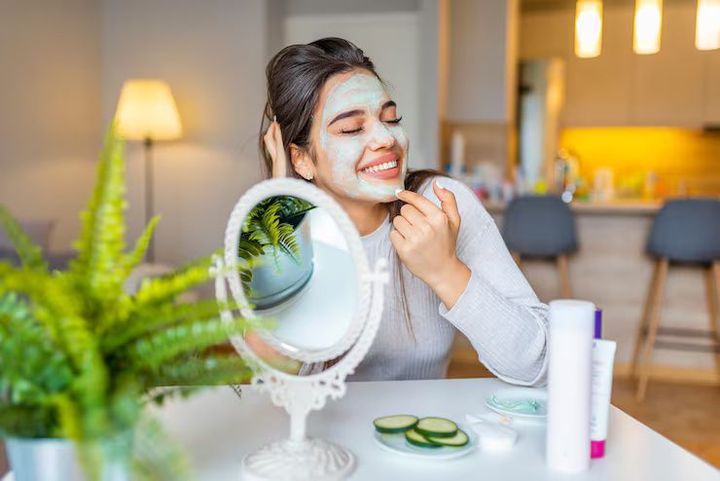
Best Skin Care Routine for Healthy Skin: Expert Guide for Every Skin Type
Healthy skin is more than just appearance. It acts as the body's first protective barrier against pollution, harmful microorganisms, ultraviolet (UV) radiation, and environmental damage. A proper skin care routine helps maintain this protective barrier while improving hydration, texture, and overall skin health.
Every person's skin is unique. Some people have oily skin, while others experience dryness, sensitivity, acne, or combination skin. Because of these differences, there is no single routine that works for everyone. Dermatologists recommend choosing products and habits based on individual skin type rather than following social media trends.
A simple, consistent routine is usually more effective than using many products at once. Cleansing, moisturizing, and sun protection remain the foundation of healthy skin care for nearly every age group.
Why Skin Care Matters Today
Modern lifestyles expose skin to several challenges every day. Air pollution, increased screen time, stress, changing weather, lack of sleep, and unhealthy diets may contribute to skin concerns.
A good skin care routine can help:
- Maintain the skin's natural protective barrier
- Reduce dryness and irritation
- Support healthy hydration
- Minimize acne breakouts
- Protect against premature aging
- Improve overall skin appearance
- Reduce damage caused by UV rays
People of all ages can benefit from proper skin care. Teenagers often focus on acne prevention, adults aim to maintain hydration and reduce signs of aging, while older individuals usually prioritize skin barrier repair and moisture retention.
Daily Skin Care Routine by Skin Type
| Skin Type | Morning Routine | Evening Routine |
|---|---|---|
| Oily Skin | Gentle cleanser, lightweight moisturizer, SPF sunscreen | Cleanser, treatment if recommended, moisturizer |
| Dry Skin | Hydrating cleanser, rich moisturizer, SPF sunscreen | Cream cleanser, nourishing moisturizer |
| Combination Skin | Mild cleanser, balanced moisturizer, sunscreen | Gentle cleanser, moisturizer |
| Sensitive Skin | Fragrance-free cleanser, calming moisturizer, mineral sunscreen | Gentle cleanser, barrier-support moisturizer |
| Normal Skin | Gentle cleanser, moisturizer, SPF sunscreen | Cleanser, moisturizer |
Essential Skin Care Steps
Gentle Cleansing
Cleanse your face twice daily using a cleanser appropriate for your skin type. Avoid harsh scrubbing, as excessive cleansing may weaken the skin barrier.
Moisturizing
Moisturizers help retain water within the skin and reduce dryness. Even oily skin benefits from lightweight, non-comedogenic moisturizers.
Sun Protection
Daily sunscreen remains one of the most important parts of skin care. Broad-spectrum SPF 30 or higher helps reduce UV-related skin damage and supports long-term skin health.
Healthy Lifestyle
Healthy skin is influenced by daily habits including:
- Drinking adequate water
- Eating fruits and vegetables
- Sleeping 7–9 hours
- Managing stress
- Avoiding tobacco products
- Limiting excessive sun exposure
Ingredients Commonly Recommended
| Ingredient | Common Purpose |
| Hyaluronic Acid | Skin hydration |
| Niacinamide | Supports skin barrier and helps improve uneven texture |
| Ceramides | Barrier repair and moisture retention |
| Vitamin C | Antioxidant support and brighter appearance |
| Retinol | Supports skin renewal when used appropriately |
| Salicylic Acid | Helps manage oily and acne-prone skin |
| Glycerin | Moisture retention |
Individuals with sensitive skin or existing skin conditions should introduce new ingredients gradually and consider consulting a qualified healthcare professional if irritation occurs.
Recent Updates in Skin Care (2025–2026)
The skin care industry has continued to evolve with greater emphasis on evidence-based routines and skin barrier health.
Recent developments include:
- Dermatologists increasingly recommend simplified routines instead of using many active ingredients together.
- During 2025, skin barrier repair products containing ceramides, peptides, and gentle moisturizers became increasingly popular.
- Mineral sunscreen formulations improved with lighter textures, making daily use easier for different skin tones.
- Artificial intelligence-powered skin analysis applications became more widely available, helping users understand skin conditions through smartphone imaging.
- Scientific discussions throughout 2025 highlighted the importance of avoiding excessive exfoliation, as overuse may damage the skin barrier.
- Personalized skin care recommendations based on skin type and environmental conditions continued to expand through digital health technologies.
These trends emphasize prevention, consistency, and scientifically supported ingredients rather than complex routines.
Regulations and Public Health Guidance
Skin care products are generally regulated to help protect consumers through ingredient safety requirements, manufacturing standards, and labeling regulations.
Examples include:
- Cosmetic products must comply with ingredient safety regulations before entering many international markets.
- Sunscreen labeling often follows national regulatory standards regarding SPF claims and broad-spectrum protection.
- Manufacturers are expected to accurately list ingredients and provide appropriate usage instructions.
- Many countries continue monitoring cosmetic safety through health authorities to improve consumer protection.
Consumers should:
- Read ingredient labels carefully.
- Follow product instructions.
- Check expiration dates.
- Perform a patch test before introducing new products.
- Seek medical advice for persistent skin concerns instead of self-diagnosing.
Helpful Digital Tools and Resources
The following resources can support informed skin care decisions:
| Resource | Purpose |
| UV Index Apps | Monitor daily ultraviolet exposure |
| Ingredient Checker Tools | Understand cosmetic ingredients |
| Skin Health Journals | Track product usage and reactions |
| Hydration Trackers | Monitor daily water intake |
| Dermatology Association Websites | Evidence-based educational resources |
| Skin Care Routine Templates | Organize morning and evening routines |
Keeping a simple routine journal can help identify products that work well and detect possible irritation after introducing new products.
Healthy Skin Care Habits
Developing consistent habits often provides better long-term results than frequently changing products.
Recommended habits include:
- Wash pillowcases regularly.
- Remove makeup before sleeping.
- Avoid touching your face unnecessarily.
- Use clean towels.
- Stay physically active.
- Maintain balanced nutrition.
- Wear protective clothing during prolonged sun exposure.
- Avoid excessive exfoliation.
Common Skin Care Mistakes
Many skin problems are linked to daily habits rather than genetics alone.
Common mistakes include:
- Skipping sunscreen
- Using too many active ingredients together
- Over-cleansing
- Frequently changing products
- Ignoring skin type
- Using expired cosmetics
- Sleeping with makeup on
- Not moisturizing oily skin
Skin Care Routine Flow
Morning
   │
Gentle Cleanser
   │
Moisturizer
   │
Broad-Spectrum Sunscreen
   │
Daily Protection

Evening
   │
Cleanser
   │
Treatment (if needed)
   │
Moisturizer
   │
Skin Recovery Overnight
Frequently Asked Questions
Can everyone follow the same skin care routine?
No. Skin type, age, environment, and individual concerns vary. Choosing products according to your own skin type usually provides better results.
How often should sunscreen be applied?
Broad-spectrum sunscreen should generally be applied every morning and reapplied according to product instructions, particularly during prolonged outdoor exposure.
Is a longer skin care routine always better?
No. Dermatologists often recommend simple, consistent routines built around cleansing, moisturizing, and sun protection.
How long does it take to notice improvements?
Many people notice gradual improvements over several weeks of consistent use. Individual results vary depending on skin condition, routine, and lifestyle.
Should people with oily skin use moisturizer?
Yes. Lightweight, non-comedogenic moisturizers help maintain hydration without necessarily increasing oil production.
Conclusion
Healthy skin begins with consistency rather than complexity. A daily routine that includes gentle cleansing, moisturizing, sun protection, and healthy lifestyle habits supports the skin's natural barrier and overall appearance. Choosing products based on individual skin type, following evidence-based recommendations, and avoiding unnecessary product overload can contribute to long-term skin health.