Herbal Medicine: Benefits, Uses & Natural Healing Guide
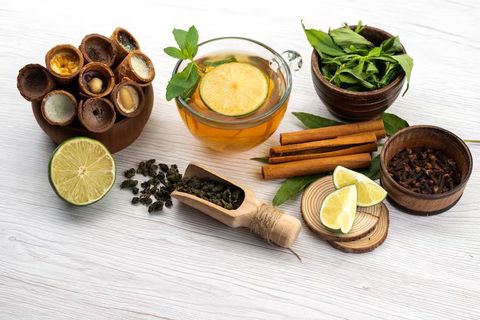
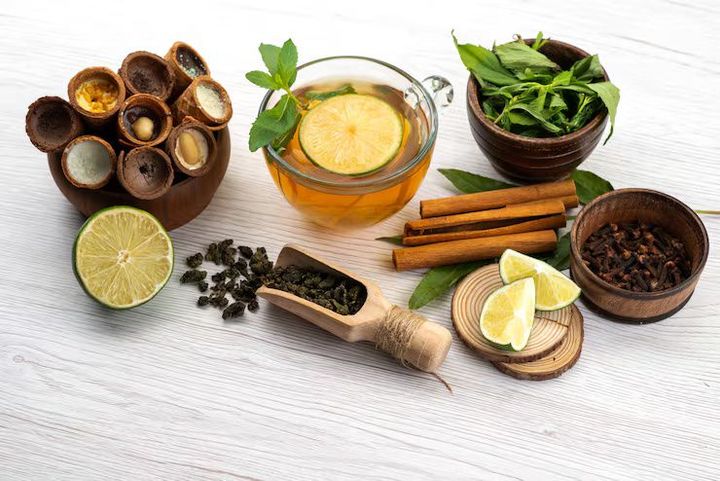
Herbal medicine refers to the use of plants, herbs, roots, flowers, leaves, seeds, and other natural ingredients to support health and well-being. Many cultures have relied on herbs for generations to help maintain wellness and complement healthy lifestyles. Traditional systems of medicine across different regions have developed extensive knowledge about medicinal plants based on historical practices and observation.
Today, herbal medicine continues to attract attention because many people are interested in natural wellness approaches alongside modern healthcare. Scientific research is also expanding the understanding of how certain herbs may influence the body. However, herbal medicine should be viewed as one part of an overall healthy lifestyle rather than a replacement for professional medical care.
Herbal preparations are available in several forms, including:
- Herbal teas
- Powders
- Capsules
- Tablets
- Oils
- Tinctures
- Extracts
- Topical creams
The effectiveness of herbal products may vary depending on plant quality, preparation methods, dosage, and individual health conditions.
Why Herbal Medicine Matters Today
Growing awareness of preventive healthcare has increased interest in herbal medicine worldwide. Many individuals look for ways to support everyday wellness through balanced nutrition, exercise, healthy sleep, and carefully selected herbal products.
Herbal medicine may be considered for supporting:
- General wellness
- Digestive health
- Stress management
- Immune support
- Skin health
- Joint comfort
- Respiratory wellness
- Healthy aging
It is important to understand that herbs do not produce identical results for everyone. Factors such as age, existing medical conditions, allergies, and medications can influence how herbal products affect the body.
Common Areas Where Herbs Are Traditionally Used
| Wellness Area | Examples of Traditional Herbal Use |
|---|---|
| Digestive Health | Supporting normal digestion |
| Immune Support | Maintaining overall immune function |
| Stress Management | Promoting relaxation |
| Skin Care | Supporting healthy skin |
| Sleep Support | Encouraging restful sleep |
| Joint Wellness | Supporting mobility |
| Respiratory Health | Traditional seasonal wellness support |
Research in herbal medicine continues to evolve, helping improve understanding of both benefits and limitations.
Benefits of Herbal Medicine
When used responsibly and appropriately, herbal medicine may provide several potential benefits.
Supports Overall Wellness
Many herbs contain naturally occurring compounds such as antioxidants, vitamins, minerals, and plant chemicals that may contribute to overall wellness.
Encourages Preventive Health
Some herbal traditions focus on maintaining balance within the body rather than only addressing illness after symptoms develop.
Complements Healthy Habits
Herbal medicine is often combined with healthy eating, regular exercise, stress reduction, and sufficient sleep as part of a comprehensive wellness routine.
Long History of Traditional Use
Many medicinal plants have been documented in traditional healthcare systems for hundreds or even thousands of years, providing valuable historical knowledge for modern research.
Ongoing Scientific Research
Universities and healthcare researchers continue studying medicinal plants to better understand their properties, appropriate use, and potential interactions.
Responsible Use of Herbal Medicine
Natural does not always mean completely safe. Every herbal product should be used thoughtfully.
Important considerations include:
- Follow recommended serving information.
- Read ingredient labels carefully.
- Be aware of possible allergies.
- Avoid combining herbs with medications without professional guidance.
- Use caution during pregnancy or breastfeeding.
- Store herbal products properly.
- Select products that meet recognized quality standards.
Individuals with chronic medical conditions should discuss herbal products with qualified healthcare professionals before beginning any new supplement routine.
Recent Updates in Herbal Medicine (2025–2026)
Interest in herbal medicine has continued to expand during the past year. Researchers, healthcare organizations, and regulatory agencies have focused on improving product quality, scientific evaluation, and consumer education.
Several recent developments include:
- Increased clinical studies examining the effectiveness and safety of medicinal plants.
- Greater emphasis on standardized manufacturing practices to improve consistency.
- Growing consumer awareness regarding quality testing and ingredient transparency.
- Expanded research into sustainable cultivation of medicinal plants to protect biodiversity.
- Continued collaboration between traditional medicine experts and modern scientific researchers.
Healthcare professionals increasingly encourage evidence-based decision-making, helping consumers understand both the potential benefits and limitations of herbal products.
Laws and Policies
The regulation of herbal medicine varies between countries. Governments generally focus on consumer safety, manufacturing quality, accurate labeling, and product standards.
Common regulatory areas include:
- Manufacturing quality requirements
- Product labeling standards
- Ingredient transparency
- Safety monitoring
- Advertising regulations
- Import and export controls
- Consumer protection measures
In many countries, herbal products are regulated differently from prescription medicines. Manufacturers are expected to comply with established safety and quality requirements before products reach consumers.
Understanding local regulations helps consumers make informed decisions while supporting responsible use of herbal products.
Helpful Tools and Resources
Learning about herbal medicine becomes easier when reliable educational resources and practical tools are available. While different regions provide different resources, several general categories can help people make informed decisions.
Useful resources include:
- Plant identification guides
- Herbal safety reference manuals
- Dosage tracking journals
- Symptom monitoring templates
- Nutrition planners
- Wellness habit trackers
- Medical interaction checklists
- Scientific research databases
- Educational health libraries
These resources encourage informed learning rather than relying on myths or unsupported health claims.
Simple Herbal Wellness Planning Table
| Daily Habit | Purpose |
|---|---|
| Balanced Nutrition | Supports overall health |
| Hydration | Maintains normal body functions |
| Physical Activity | Encourages healthy living |
| Adequate Sleep | Supports recovery |
| Stress Management | Promotes emotional well-being |
| Herbal Awareness | Encourages informed choices |
Growing Interest in Herbal Medicine
| Trend | Direction |
| Scientific Research | Increasing |
| Consumer Awareness | Increasing |
| Quality Standards | Improving |
| Sustainable Farming | Growing |
| Education Programs | Expanding |
The overall trend shows a gradual increase in public interest alongside stronger emphasis on evidence-based information and product quality.
Frequently Asked Questions
Is herbal medicine the same as modern medicine?
No. Herbal medicine uses plant-based ingredients that have traditional and, in some cases, scientific support. Modern medicine relies on extensively tested pharmaceutical treatments. The two approaches may sometimes complement each other under professional guidance.
Can herbal medicine replace prescribed treatment?
Herbal medicine should not replace prescribed treatment without advice from a qualified healthcare professional. Some herbs may interact with medications or may not be appropriate for certain medical conditions.
Are all herbal products safe?
Not necessarily. Natural ingredients can still cause side effects, allergic reactions, or interactions with medicines. Responsible use and proper guidance are important.
Why is quality important in herbal products?
The quality of herbal products can vary depending on cultivation, harvesting, manufacturing, storage, and testing. Consistent quality helps improve reliability and consumer safety.
Why is research on herbal medicine increasing?
Researchers continue studying medicinal plants to better understand their potential health effects, appropriate dosages, safety profiles, and possible interactions. This helps improve evidence-based recommendations.
Conclusion
Herbal medicine remains an important part of traditional wellness practices while continuing to gain attention through modern scientific research. Many people appreciate its natural origins and long history of use, but informed decision-making remains essential.