Explore Fitness Tracking Devices for Wellness Tracking
Fitness tracking devices help people monitor daily activity, exercise, sleep, and wellness habits. These tools support healthier routines, improve awareness of physical activity, and encourage better lifestyle management through digital health tracking features.
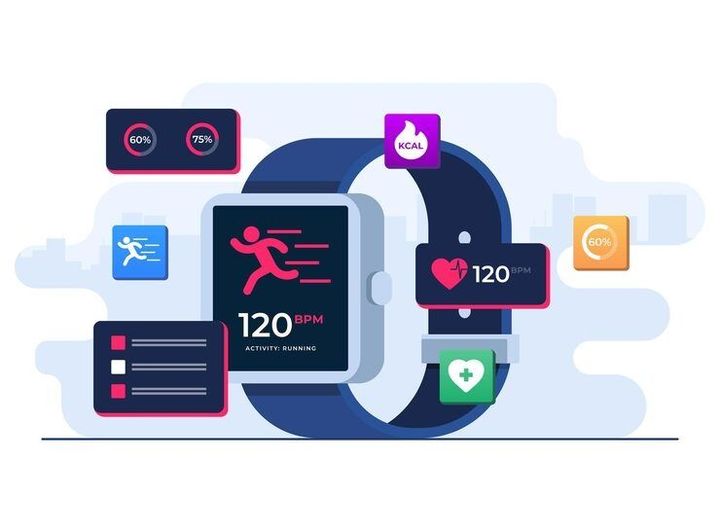
Fitness tracking devices are digital tools designed to monitor physical activity, wellness habits, and health-related data. These devices often include features such as step counting, heart rate monitoring, sleep tracking, calorie estimation, movement analysis, and exercise recording. They are commonly worn on the wrist or integrated into mobile applications and connected platforms.
The rise of wearable health technology started with simple pedometers that counted steps. Over time, these devices evolved into advanced wellness tracking systems that collect real-time health information using sensors and software algorithms. Today, fitness tracking devices are used by students, office workers, athletes, older adults, and individuals focused on maintaining healthier daily routines.
One of the main reasons these devices exist is to increase awareness about physical activity and wellness habits. Many people spend long hours sitting at desks, using digital screens, or working indoors. Fitness tracking devices encourage movement reminders, activity goals, and healthier lifestyle choices through measurable data.
Modern wellness tracking technology also supports broader health awareness. Sleep quality analysis, stress monitoring, hydration reminders, and breathing exercises are now commonly included in digital fitness platforms. This combination of physical and wellness tracking helps users understand how daily habits affect their overall health.
Why Fitness Tracking Devices Matter Today
Health awareness has become more important in recent years due to changing work habits, digital lifestyles, and increasing concern about inactivity. Many individuals now use wearable health technology to maintain regular exercise patterns, improve sleep habits, and track wellness progress over time.
Fitness tracking devices matter because they provide measurable insights rather than assumptions. Instead of guessing daily movement levels, users can view activity summaries, distance covered, and exercise duration. This information supports better decision-making related to physical activity and wellness goals.
The impact of these devices can be seen across different groups:
- Office workers use activity tracking tools to reduce sedentary behavior.
- Students use fitness monitoring apps to manage exercise routines.
- Older adults use wellness alerts for movement reminders.
- Athletes use performance tracking for training improvement.
- Health-conscious individuals use sleep analysis and heart monitoring features.
Another important benefit is behavioral motivation. Many people find it easier to stay active when goals are visible through digital dashboards and progress reports. Step targets, exercise reminders, and weekly activity summaries encourage consistency.
The following table shows common wellness metrics tracked by modern devices:
| Wellness Metric | Purpose |
|---|---|
| Step Count | Measures daily movement |
| Heart Rate | Tracks cardiovascular activity |
| Sleep Analysis | Evaluates sleep patterns |
| Calorie Estimation | Monitors energy expenditure |
| Exercise Duration | Records workout activity |
| Stress Tracking | Measures wellness indicators |
| Distance Tracking | Monitors walking or running distance |
Fitness tracking devices also support preventive wellness awareness. Early signs of inactivity, irregular sleep patterns, or reduced physical movement can become easier to notice through long-term tracking reports.
Recent Updates and Trends in Fitness Tracking Technology
The fitness tracking industry has experienced rapid development during 2025 and early 2026. Recent advancements focus on smarter health analytics, artificial intelligence integration, and improved wellness personalization.
One major trend is the use of AI-powered health insights. New tracking systems now analyze patterns over time instead of displaying only raw numbers. For example, wellness tracking platforms can identify changes in sleep consistency, stress levels, or exercise habits and provide educational suggestions based on user behavior.
Another important update is improved sensor accuracy. During 2025, wearable devices introduced more advanced biometric sensors capable of measuring movement patterns, heart activity, and sleep stages with greater precision.
Several trends have become more common recently:
- Advanced sleep recovery tracking
- Personalized activity recommendations
- Stress and mindfulness monitoring
- Digital wellness dashboards
- Integration with health record systems
- Hydration and breathing reminders
The chart below highlights growing areas of wellness tracking adoption in 2025:
| Wellness Feature | Growth Trend in 2025 |
|---|---|
| Sleep Monitoring | Very High |
| Stress Tracking | High |
| AI Health Insights | Rapid Growth |
| Activity Monitoring | Stable Growth |
| Wellness Analytics | Increasing |
| Recovery Tracking | Strong Growth |
Another notable change involves battery efficiency and lightweight designs. Modern fitness tracking devices now support longer usage periods while becoming more comfortable for daily wear.
Privacy awareness has also increased. Many users now pay closer attention to how wellness data is stored, analyzed, and shared. This has encouraged stronger digital privacy features within health monitoring platforms.
In 2025, several countries also expanded discussions around digital health standards and wearable technology integration into preventive healthcare systems. These developments continue influencing how wellness tracking devices are designed and regulated.
Laws and Policies Related to Fitness Tracking Devices
Fitness tracking devices operate within digital health and data privacy frameworks in many countries. Since these tools collect personal wellness information, regulations often focus on data protection, transparency, and responsible technology usage.
In India, digital health initiatives have encouraged broader discussions about health data management and electronic health systems. Regulatory frameworks connected to digital privacy and health information continue evolving as wearable health technology becomes more common.
Several policy areas influence fitness tracking devices:
Data Privacy Regulations
Health-related data is considered sensitive information in many regions. Regulations may require digital platforms to explain how data is collected, processed, and stored.
Consumer Protection Guidelines
Governments and regulatory bodies often require wellness tracking tools to avoid misleading health claims. Devices intended for general wellness purposes must clearly distinguish themselves from certified medical equipment.
Digital Health Frameworks
Some countries have introduced national digital health missions and wellness technology standards to improve healthcare connectivity and secure information sharing.
Cybersecurity Requirements
Connected wellness tracking systems must increasingly follow cybersecurity practices to reduce risks related to unauthorized data access.
The following table summarizes key policy areas:
| Policy Area | Focus |
|---|---|
| Data Privacy | User information protection |
| Consumer Transparency | Accurate wellness reporting |
| Cybersecurity | Secure digital systems |
| Digital Health Standards | Responsible health technology |
| Device Compliance | Safety and operational standards |
Users are encouraged to review privacy settings, app permissions, and data-sharing preferences before using digital fitness platforms regularly.
Helpful Tools and Resources for Wellness Tracking
Many digital tools support wellness tracking and active lifestyle management. These resources help users organize fitness routines, monitor wellness habits, and analyze personal health information more effectively.
Common wellness tracking resources include:
Activity Monitoring Platforms
These platforms record daily movement, exercise duration, walking patterns, and physical activity summaries.
Sleep Analysis Tools
Sleep tracking resources evaluate sleep consistency, bedtime routines, and recovery patterns.
Health Data Dashboards
Digital dashboards organize wellness information into charts, summaries, and trend reports for easier understanding.
Exercise Planning Templates
Workout planning templates help users maintain exercise consistency and schedule fitness routines effectively.
Wellness Calculators
Health calculators estimate metrics such as body mass index, hydration goals, calorie expenditure, and activity targets.
Educational Learning Platforms
Many learning resources explain wellness tracking methods, exercise science basics, sleep improvement strategies, and healthy habit development.
People often benefit most when these tools are used consistently alongside balanced nutrition, regular movement, and healthy sleep routines.
Frequently Asked Questions
What are fitness tracking devices used for?
Fitness tracking devices monitor physical activity, exercise routines, sleep patterns, and wellness metrics such as heart rate and movement levels. They help users better understand daily health habits.
Are fitness tracking devices medically accurate?
Most fitness tracking devices are designed for general wellness monitoring rather than medical diagnosis. Accuracy may vary depending on device quality, sensor technology, and usage conditions.
Can fitness tracking improve daily activity habits?
Many users find that activity reminders, movement goals, and wellness summaries encourage healthier routines and increased physical activity over time.
Do fitness tracking devices monitor sleep?
Yes. Many devices include sleep analysis tools that estimate sleep duration, bedtime consistency, and recovery patterns using movement and sensor data.
Is wellness data privacy important?
Yes. Fitness tracking systems often collect sensitive personal information. Users should review privacy settings, account permissions, and data-sharing options carefully.
Conclusion
Fitness tracking devices have become important tools for wellness awareness and active lifestyle management. They help individuals monitor movement, exercise habits, sleep quality, and general wellness patterns through digital health tracking technology.
As wearable health technology continues evolving, newer systems now provide smarter analytics, improved sensor accuracy, and broader wellness insights. These developments support healthier routines and encourage long-term awareness of physical activity and wellness habits.
At the same time, digital privacy, responsible data management, and transparent wellness reporting remain important considerations. Understanding how these tools function allows users to make informed decisions about their personal health tracking practices.
Disclaimer: The information provided in this article is for informational purposes only. We do not make any claims or guarantees regarding the accuracy, reliability, or completeness of the information presented. The content is not intended as professional advice and should not be relied upon as such. Readers are encouraged to conduct their own research and consult with appropriate professionals before making any decisions based on the information provided in this article.