Spa Massage Therapy Insights for Mind Relaxation and Body Recovery
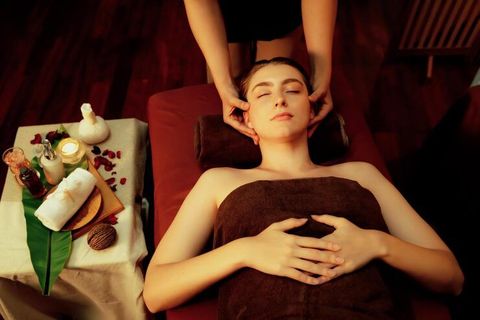
Spa massage therapy refers to a group of wellness practices designed to support physical relaxation, mental calmness, and muscle recovery through guided touch techniques. These therapies may include deep tissue massage, aromatherapy massage, hot stone therapy, reflexology, and other relaxation-focused approaches. While methods differ, the overall goal is similar across the world: helping people reduce physical tension and improve their sense of well-being. Many individuals now see massage therapy not as a luxury activity, but as part of a broader self-care and recovery routine that fits into modern daily life.
This comparison matters globally because stress, sedentary routines, physical fatigue, and mental overload have become common experiences in many industries and lifestyles. According to global wellness research and industry data, more people are seeking non-invasive approaches to improve sleep quality, relaxation, posture, and recovery from daily strain. Wellness centers and professional therapists have also expanded their services to address different personal goals, ranging from athletic recovery to emotional relaxation. As digital work and extended screen time continue to grow internationally, interest in body-focused recovery methods has increased across multiple age groups.
The real-world impact of spa massage therapy can be seen in workplaces, homes, fitness environments, and wellness programs around the world. Some individuals use massage sessions to recover after physical activity, while others rely on them to manage mental fatigue and improve concentration. Families, students, professionals, and retirees may all approach therapy differently depending on their schedules and wellness priorities. Understanding these differences helps readers evaluate which massage approach aligns best with their needs, which naturally leads to a closer look at who benefits most from these therapies.
Who it affects & problems it solves
Spa massage therapy affects a broad global audience because physical stress and mental exhaustion are not limited to one profession or age group. Office workers often experience neck stiffness and posture-related discomfort due to prolonged sitting. Freelancers and remote workers may struggle with irregular routines and tension caused by screen exposure. Athletes and physically active individuals frequently use recovery-focused massage techniques to reduce muscle soreness and support mobility. Older adults may explore gentler therapies to improve comfort and circulation, while students sometimes seek relaxation methods during periods of academic pressure.
Without clarity on massage techniques and therapy goals, many people across the world choose treatments that do not match their actual needs. Someone seeking deep muscle recovery may accidentally select a purely relaxation-based session, while another person looking for emotional calmness may choose a physically intense therapy that feels uncomfortable. This comparison helps explain the practical differences between common massage approaches so readers can make more informed wellness decisions. It also reduces confusion around session intensity, recovery expectations, and therapist specialization.
A common global mistake involves assuming that all massage therapies produce identical results. In reality, some treatments prioritize circulation and flexibility, while others focus on calming the nervous system or improving temporary mobility. For example, a person with physically demanding work may benefit from targeted tissue work, whereas someone dealing with stress-related sleep issues may respond better to calming techniques with lower pressure. These misunderstandings have encouraged more people to research therapy styles carefully, which connects directly to recent developments shaping the wellness industry worldwide.
Recent updates
Over the past year, wellness providers internationally have placed greater emphasis on personalized massage therapy experiences. Many spas and recovery centers now begin sessions with detailed wellness assessments that consider stress levels, physical activity, mobility concerns, and recovery goals. This shift reflects growing awareness that individual needs vary significantly and that standardized sessions may not provide consistent outcomes for every client.
In early 2025, industry discussions increasingly focused on combining massage therapy with broader wellness practices. Many wellness facilities introduced integrated services that connect massage sessions with breathing exercises, mindfulness practices, stretching programs, and guided recovery routines. According to global wellness trends, this combined approach is gaining attention because people are seeking complete recovery experiences rather than isolated treatments.
Another major update involves the growing use of technology within wellness environments. Digital appointment systems, posture analysis tools, recovery tracking platforms, and wearable health devices are now influencing how massage therapy sessions are planned. Some therapists use movement assessments and muscle tension observations to adapt treatment intensity more precisely. This trend reflects a larger international movement toward personalized wellness monitoring.
Sustainability and professional transparency have also become more visible topics across the spa and wellness industry. Many facilities now emphasize therapist qualifications, hygiene standards, ingredient transparency for oils and products, and environmentally conscious operations. These developments help clients evaluate services more carefully, which makes a direct comparison of massage therapy styles especially useful before choosing a treatment approach.
Comparison table
The table below compares common spa massage therapy approaches using practical factors that matter universally, including pressure level, recovery focus, relaxation goals, and session intensity.
| Therapy Type | Main Goal | Pressure Level | Best For | Typical Session Feel | Recovery Focus | Relaxation Level | Mobility Support | Common Session Length | Intensity |
|---|---|---|---|---|---|---|---|---|---|
| Swedish massage | General relaxation | Light to medium | Stress management | Calm and gentle | Moderate | High | Moderate | Medium | Low |
| Deep tissue massage | Muscle recovery | Medium to strong | Physical tension | Focused pressure | High | Moderate | High | Medium to long | High |
| Hot stone massage | Relaxation and circulation | Light to medium | Mental fatigue | Warm and soothing | Moderate | High | Moderate | Medium | Low |
| Aromatherapy massage | Emotional calmness | Light | Stress reduction | Sensory and calming | Low | High | Low | Medium | Low |
| Sports massage | Athletic recovery | Medium to strong | Active individuals | Dynamic and targeted | High | Moderate | High | Medium | Medium |
| Reflexology | Pressure point stimulation | Medium | Foot and hand fatigue | Focused touch | Moderate | Moderate | Low | Short to medium | Medium |
| Shiatsu massage | Energy balance | Medium | Tension relief | Rhythmic pressure | Moderate | Moderate | Moderate | Medium | Medium |
| Thai massage | Stretching support | Medium to strong | Flexibility improvement | Active movement | High | Moderate | High | Long | High |
| Prenatal massage | Comfort support | Light | Pregnancy-related strain | Gentle positioning | Moderate | High | Low | Medium | Low |
| Chair massage | Quick stress relief | Light to medium | Busy schedules | Short and convenient | Low | Moderate | Low | Short | Low |
The table shows that massage therapies differ mainly in pressure, movement involvement, and wellness goals. Relaxation-focused therapies generally prioritize calmness and comfort, while recovery-centered therapies place greater emphasis on muscle function and mobility. Understanding these patterns also helps readers evaluate how professional guidance and wellness standards influence therapy selection internationally.
Regulations & practical guidance
In most countries, massage therapy and spa wellness services operate under professional standards related to hygiene, safety, and practitioner qualifications. Wellness authorities globally tend to encourage proper sanitation practices, informed client communication, and clear treatment boundaries. Many jurisdictions also require therapists to complete training programs that cover anatomy, client safety, and ethical conduct. These measures aim to protect clients while supporting professional consistency across the industry.
Most jurisdictions have rules around health disclosures and session suitability. Clients are often encouraged to inform therapists about injuries, mobility limitations, recent surgeries, or other physical concerns before treatment begins. International wellness guidance also emphasizes realistic expectations, since massage therapy is generally viewed as supportive wellness care rather than a guaranteed medical solution. This balanced approach helps consumers make informed decisions without misunderstanding the purpose of treatment.
Professional transparency has become increasingly important worldwide. Many wellness centers now explain session intensity, recovery expectations, and therapist specialization more clearly before appointments. This allows individuals to select therapies based on comfort levels and personal goals rather than marketing language alone.
Which option suits your situation?
A person with stable office-based work and high daily stress may benefit most from therapies focused on relaxation and posture relief. Swedish massage or aromatherapy sessions are commonly chosen because they support calmness without excessive pressure. These options may also suit individuals who are new to massage therapy and prefer gentler experiences.
Someone who is self-employed or physically active may prioritize recovery and mobility. Deep tissue or sports massage can sometimes support muscle relaxation after repetitive movement or long working hours. However, stronger pressure techniques may require recovery time afterward, so session timing matters for busy schedules.
An older adult or someone with lower physical tolerance may prefer moderate-intensity therapies that focus on circulation and comfort. Gentle hot stone treatments or carefully adapted relaxation massages are often viewed as more manageable for individuals who want calmness without intensive muscle work.
Younger adults or fitness-focused individuals seeking flexibility improvement may explore Thai massage or mobility-centered sessions. These approaches involve stretching and guided movement, which can feel more active than traditional relaxation massage. Choosing carefully based on comfort and lifestyle naturally leads into the tools and educational resources that help people compare options more effectively.
Tools & resources
Several globally accessible resources can help individuals understand massage therapy options and wellness practices more clearly before booking a session.
Meditation Timer Apps — These tools help users combine relaxation routines with breathing exercises before or after massage sessions.
Wellness Journal Templates — Journals allow individuals to track stress levels, sleep quality, muscle tension, and recovery patterns over time.
Posture Tracking Applications — These resources help users identify posture-related discomfort that may influence massage therapy choices.
Stretching Guide Platforms — Guided flexibility programs support mobility maintenance between therapy sessions.
Sleep Monitoring Tools — Sleep-focused wellness trackers can help people evaluate whether relaxation therapies improve nightly rest.
Professional Wellness Directories — These resources allow users to compare therapist backgrounds, specialties, and treatment descriptions in a neutral format.
Mindfulness Audio Programs — Audio-based relaxation exercises can complement massage therapy by encouraging mental recovery and stress reduction.
These tools do not replace professional advice, but they can improve awareness and preparation, which leads naturally into the most common questions people ask about massage therapy worldwide.
Frequently asked questions
What is the main difference between relaxation massage and recovery massage?
Relaxation massage focuses primarily on reducing stress, calming the nervous system, and creating a soothing experience through lighter pressure techniques. Recovery massage, such as sports or deep tissue massage, targets muscle tension, stiffness, and mobility concerns using more focused pressure. The best choice depends on whether the person values emotional relaxation, physical recovery, or a combination of both within their wellness routine.
Who should choose gentle massage therapy instead of stronger techniques?
Gentle massage therapy may suit beginners, older adults, individuals with high stress levels, or people who feel uncomfortable with intense pressure. Relaxation-oriented sessions are often preferred when the main goal involves calming the body and improving comfort. Stronger therapies may be more suitable for physically active individuals or those managing muscle tightness, but session tolerance varies greatly from person to person.
Are there general wellness regulations around massage therapy globally?
In many parts of the world, massage therapy providers follow standards related to hygiene, therapist training, client communication, and informed consent. Wellness authorities internationally often encourage clear treatment explanations and safe operating environments. Regulations vary depending on local systems, but professional transparency and client safety remain widely recognized priorities throughout the global wellness industry.
What is a common misconception about spa massage therapy?
One common misconception is that all massage therapies produce the same results. In reality, different methods are designed for different goals, including stress reduction, mobility support, circulation improvement, or muscle recovery. Another misunderstanding is that stronger pressure always produces better outcomes. Effective therapy depends more on matching the treatment style to the individual’s physical condition and comfort level.
How often should someone receive massage therapy sessions?
There is no universal schedule because therapy frequency depends on lifestyle, stress levels, physical activity, and wellness goals. Some individuals choose occasional sessions during periods of high stress, while others include massage therapy regularly as part of recovery or relaxation routines. Globally, wellness professionals often encourage balanced scheduling based on comfort, budget, and overall physical response rather than fixed timelines.
Conclusion
Spa massage therapy continues to grow internationally because it addresses two increasingly common concerns: mental stress and physical fatigue. The comparison throughout this article shows that therapies differ significantly in intensity, relaxation focus, mobility support, and recovery goals. Understanding these distinctions helps individuals choose treatments more carefully instead of assuming every massage style provides the same experience or outcome.
For most people, the best option depends on personal wellness priorities rather than trends or popularity. Relaxation-focused therapies may suit individuals seeking emotional calmness and improved comfort, while recovery-centered approaches may better support mobility and muscle relief. Reviewing session intensity, therapist qualifications, and individual tolerance levels can help readers make balanced, informed decisions without unrealistic expectations.