Metal Fabrication Machine Overview and Production Information
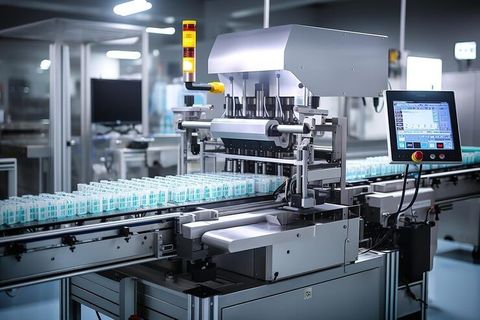
Modern manufacturing depends heavily on efficient production systems, and metal fabrication machines play an important role in shaping raw materials into useful products. Industries such as construction, transportation, electronics, aerospace, and infrastructure rely on advanced equipment to cut, bend, weld, and assemble metal components with precision. As technology advances, these machines continue to improve productivity and consistency across production environments.
Sheet Metal Fabrication has evolved significantly over the past few decades. Traditional manual methods have gradually been supplemented by automated systems, including CNC Fabrication Machines and Laser Metal Cutting Machines. These developments help manufacturers achieve accurate results while reducing material waste and supporting large-scale production requirements.
Context
Metal fabrication refers to the process of transforming raw metal into finished parts, structures, or products. A Metal Fabrication Machine is designed to perform operations such as cutting, punching, bending, welding, forming, and finishing. These machines are used across various industries where metal components are required.
The development of industrial fabrication technology accelerated with the growth of automated manufacturing. Today, many facilities use Computer Numerical Control (CNC) systems to guide machine operations. A CNC Fabrication Machine follows programmed instructions to produce highly accurate components with minimal variation.
Common types of fabrication equipment include:
- Laser Metal Cutting Machine
- Plasma Cutting Machine
- CNC Press Brake
- Metal Punching Machine
- Robotic Welding Systems
- Metal Processing Machine
- Tube and Pipe Cutting Equipment
The primary purpose of these machines is to improve efficiency, accuracy, and repeatability in manufacturing processes.
Common Fabrication Processes
| Process | Purpose | Typical Equipment |
|---|---|---|
| Cutting | Separates metal into required shapes | Metal Cutting Machine |
| Bending | Changes metal form and angles | CNC Press Brake |
| Punching | Creates holes and patterns | Punching Machine |
| Welding | Joins metal parts together | Welding Equipment |
| Finishing | Improves surface quality | Grinding and Polishing Machines |
Importance
Metal fabrication machines support the production of products used in everyday life. Buildings, vehicles, machinery, appliances, and electronic devices often contain fabricated metal components.
The importance of Industrial Fabrication Equipment can be seen in several areas:
Manufacturing Efficiency
Automated systems can process materials faster than many manual methods. This helps maintain production schedules and improve output consistency.
Precision and Quality
Advanced Metal Processing Machines can perform complex operations with high levels of accuracy. This reduces errors and improves product quality.
Material Utilization
Modern cutting technologies help reduce scrap material. Efficient use of raw materials supports sustainability goals and resource management.
Industry Applications
Many sectors depend on fabrication equipment, including:
- Construction
- Automotive manufacturing
- Aerospace production
- Energy infrastructure
- Agricultural equipment manufacturing
- Consumer goods production
Recent Updates
Between 2024 and 2026, several trends have influenced the metal fabrication industry.
Increased Automation
Manufacturers are expanding the use of robotic systems and automated production lines. These technologies improve consistency and reduce manual intervention in repetitive tasks.
Smart Manufacturing Integration
Many CNC Fabrication Machines now include sensors and connectivity features that support data monitoring and predictive maintenance. This allows operators to identify potential issues before equipment failures occur.
Advanced Laser Technology
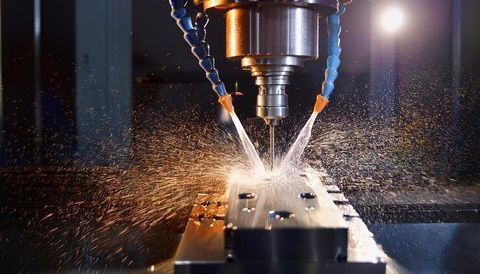
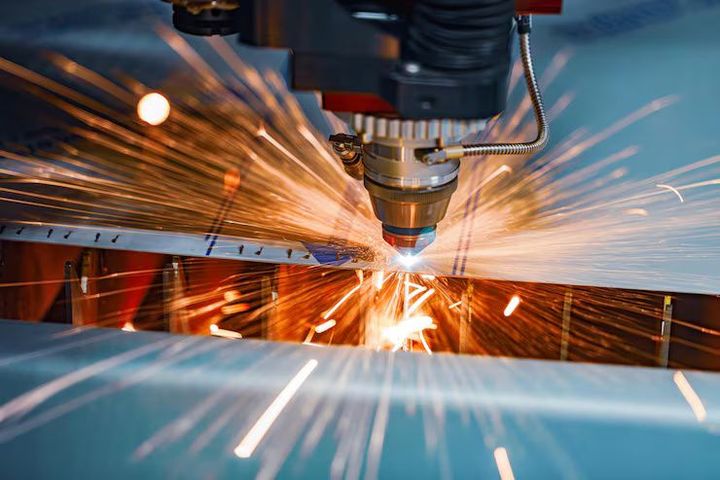
Laser Metal Cutting Machines continue to become faster and more energy efficient. New fiber laser systems provide improved cutting performance across various metal thicknesses.
Artificial Intelligence Applications
Some fabrication facilities have begun integrating artificial intelligence tools into production planning and machine monitoring. These systems help optimize workflows and improve operational efficiency.
Sustainability Initiatives
Manufacturers are increasingly focusing on:
- Energy-efficient machinery
- Reduced material waste
- Recycling of metal scraps
- Lower emissions during production
These initiatives align with broader environmental objectives across industrial sectors.
Laws or Policies
Metal fabrication operations are subject to various regulations that focus on workplace safety, environmental protection, and product quality.
Occupational Safety Requirements
Many countries require compliance with workplace safety regulations covering:
- Machine guarding
- Operator training
- Personal protective equipment
- Emergency procedures
- Hazard communication
These requirements help reduce workplace risks associated with Industrial Fabrication Equipment.
Environmental Regulations
Manufacturing facilities may need to comply with regulations related to:
- Air emissions
- Waste management
- Noise control
- Water usage
- Recycling practices
Environmental standards vary by country and region.
Quality Standards
International quality frameworks are commonly used within fabrication industries. Standards may address:
| Area | Objective |
|---|---|
| Quality Management | Consistent production processes |
| Occupational Safety | Worker protection |
| Environmental Management | Reduced environmental impact |
| Product Compliance | Industry-specific requirements |
Organizations often implement documented procedures to meet regulatory and customer expectations.
Tools and Resources
Several online resources can help individuals and organizations learn more about metal fabrication technologies and production methods.
Technical Standards Resources
- ISO standards databases
- National manufacturing associations
- Government industrial development portals
CAD and Design Platforms
Computer-aided design software supports product development and fabrication planning. These tools help engineers create accurate digital models before production begins.
CNC Programming Resources
Educational platforms and technical documentation can assist users in understanding CNC programming concepts and machine operations.
Production Calculators
Common manufacturing calculators include:
- Material weight calculators
- Sheet metal bend calculators
- Cutting parameter calculators
- Production efficiency calculators
These tools assist with planning and process optimization.
Industry Publications
Manufacturing journals and engineering publications regularly provide updates on fabrication technologies, automation developments, and regulatory changes.
FAQs
What is a Metal Fabrication Machine?
A Metal Fabrication Machine is equipment used to cut, shape, bend, weld, or assemble metal materials into finished components or products.
How does a CNC Fabrication Machine work?
A CNC Fabrication Machine uses computer-controlled instructions to guide machine movements and manufacturing operations with high precision.
What is the purpose of a Laser Metal Cutting Machine?
A Laser Metal Cutting Machine uses a focused laser beam to cut metal materials accurately and efficiently, often producing clean edges and detailed shapes.
Which industries use Sheet Metal Fabrication?
Sheet Metal Fabrication is commonly used in construction, automotive manufacturing, aerospace, electronics, energy, and industrial equipment production.
Why is automation becoming more common in fabrication?
Automation helps improve productivity, reduce errors, increase consistency, and support data-driven production management.
Conclusion
Metal fabrication machines are essential tools in modern manufacturing and industrial production. Technologies such as CNC Fabrication Machines, Metal Cutting Machines, and Laser Metal Cutting Machines help organizations produce accurate and consistent metal components. Recent developments in automation, smart manufacturing, and sustainability continue to shape the future of the industry. As production requirements evolve, advanced Industrial Fabrication Equipment will remain a key part of efficient manufacturing operations worldwide.