Medical Ventilator Manufacturing Explained: Explore Knowledge, Advice, Suggestions, Information, Facts, and Essential Resources
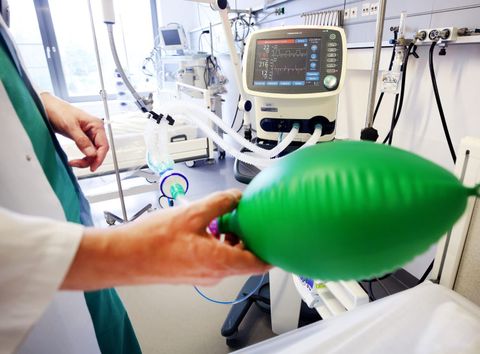
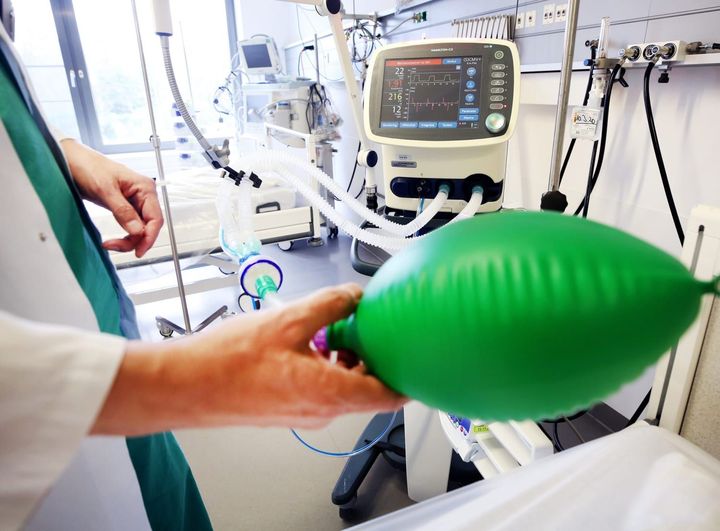
Medical ventilator manufacturing refers to the design, engineering, assembly, testing, and quality control of ventilators used to support or replace breathing functions in patients. These devices are commonly found in intensive care units, emergency departments, surgical facilities, and specialized respiratory care environments.
A ventilator helps move air into and out of a patient's lungs when natural breathing becomes difficult or impossible. Manufacturing these systems requires expertise in biomedical engineering, electronics, software development, precision mechanics, sensor technology, and medical device quality management.
Modern ventilators include advanced features such as real-time monitoring, pressure regulation, oxygen delivery control, alarm systems, and data recording capabilities. Manufacturers must ensure that every component works reliably under demanding clinical conditions.
The ventilator manufacturing sector expanded significantly during global respiratory health emergencies and continues to evolve through innovation in digital monitoring, artificial intelligence, and connected healthcare technologies.
Why Medical Ventilator Manufacturing Matters
Medical ventilators play a critical role in healthcare infrastructure. Their availability and reliability directly influence patient care in hospitals and emergency situations.
The importance of ventilator manufacturing can be understood through several key areas:
- Supports patients experiencing respiratory failure.
- Helps healthcare systems respond to public health emergencies.
- Enables advanced intensive care treatments.
- Improves patient monitoring and clinical decision-making.
- Supports surgical procedures requiring controlled ventilation.
- Enhances preparedness for disaster response and critical care demand.
Healthcare providers, biomedical engineers, policymakers, researchers, and medical equipment manufacturers all depend on a strong ventilator production ecosystem.
The industry also contributes to innovation in medical technology, including sensors, predictive analytics, cloud-based monitoring, and machine-assisted respiratory support.
Key Components Used in Medical Ventilators
| Component | Function |
|---|---|
| Air Compressor | Generates airflow for ventilation |
| Oxygen Mixer | Controls oxygen concentration |
| Sensors | Monitor pressure, flow, and volume |
| Control System | Manages ventilation settings |
| Alarm System | Alerts clinicians to abnormalities |
| Display Interface | Shows patient data and settings |
| Battery Backup | Maintains operation during power interruptions |
| Filters | Help maintain air quality and safety |
These components must operate together with high accuracy and reliability to ensure patient safety.
Overview of the Manufacturing Process
The ventilator manufacturing process generally includes several stages.
| Manufacturing Stage | Purpose |
|---|---|
| Product Design | Develop clinical and technical specifications |
| Prototype Development | Test functionality and performance |
| Component Procurement | Source approved medical-grade parts |
| Assembly | Integrate mechanical and electronic systems |
| Software Integration | Install and validate operating software |
| Performance Testing | Verify operational accuracy |
| Quality Assurance | Confirm compliance with standards |
| Documentation | Maintain regulatory records |
| Distribution Preparation | Package and prepare devices for deployment |
Each stage involves extensive verification and validation activities before products can be used in healthcare environments.
Industry Growth and Technology Trends
The medical ventilator sector continues to benefit from advances in healthcare technology.
Several notable trends include:
- Artificial intelligence-assisted ventilation support.
- Remote monitoring capabilities.
- Cloud-connected healthcare systems.
- Enhanced touchscreen interfaces.
- Improved battery performance.
- Portable ventilator development.
- Predictive maintenance systems.
- Integration with electronic health records.
These innovations help clinicians monitor patients more effectively while improving operational efficiency within healthcare facilities.
Recent Updates and Industry Developments
The ventilator manufacturing industry has experienced several developments during the past year.
In 2025 and early 2026, healthcare organizations and manufacturers continued investing in digital health technologies and connected medical devices. Greater emphasis has been placed on cybersecurity protections for network-connected medical equipment.
Manufacturers have also increased focus on:
- Software validation and security improvements.
- Supply chain resilience initiatives.
- Sustainable manufacturing practices.
- Enhanced data interoperability standards.
- Advanced patient monitoring features.
- Portable and transport ventilator innovation.
Healthcare systems worldwide continue upgrading critical care infrastructure to improve preparedness for future respiratory emergencies and growing intensive care demands.
Another significant trend involves the integration of machine learning algorithms that assist clinicians in optimizing ventilation settings based on patient conditions and historical clinical data.
Medical Ventilator Technology Evolution
The following chart illustrates the general progression of ventilator capabilities.
| Era | Typical Features |
|---|---|
| Early Mechanical Systems | Basic pressure control |
| Electronic Ventilators | Digital monitoring |
| Smart Ventilators | Advanced modes and alarms |
| Connected Ventilators | Network integration |
| AI-Assisted Systems | Predictive analytics and decision support |
The transition toward intelligent medical devices continues to shape future manufacturing priorities.
Regulatory Requirements and Policy Considerations
Medical ventilators are highly regulated devices because they directly affect patient health and safety.
Manufacturers typically must comply with requirements related to:
- Medical device safety standards.
- Quality management systems.
- Risk management procedures.
- Clinical performance validation.
- Electrical safety testing.
- Software lifecycle management.
- Cybersecurity controls.
- Manufacturing documentation requirements.
Many countries maintain dedicated medical device regulatory frameworks that oversee approval, monitoring, and post-market surveillance activities.
Government agencies often require manufacturers to demonstrate safety, effectiveness, and quality before devices can enter healthcare environments.
Policies related to emergency preparedness, healthcare modernization, and critical care infrastructure can also influence ventilator manufacturing priorities and investment decisions.
Common Quality Standards Used in Manufacturing
The ventilator industry frequently follows internationally recognized standards.
| Standard Area | Purpose |
|---|---|
| Quality Management | Ensures consistent manufacturing practices |
| Risk Management | Identifies and mitigates hazards |
| Electrical Safety | Protects patients and operators |
| Software Validation | Verifies software performance |
| Usability Engineering | Improves user interaction and safety |
| Cybersecurity Practices | Protects connected medical systems |
Adherence to these standards supports patient safety and regulatory compliance.
Tools and Resources Related to Ventilator Manufacturing
Several tools and resources assist professionals involved in ventilator development and production.
Useful categories include:
- Computer-aided design (CAD) software.
- Medical device quality management platforms.
- Risk assessment templates.
- Regulatory documentation systems.
- Electronic testing equipment.
- Simulation and modeling software.
- Biomedical engineering databases.
- Clinical standards libraries.
- Manufacturing process validation tools.
- Cybersecurity assessment frameworks.
Additional educational resources may include:
- Biomedical engineering publications.
- Medical device research journals.
- Healthcare technology reports.
- Regulatory guidance documents.
- Industry association resources.
- Clinical ventilation guidelines.
These resources help improve understanding of manufacturing requirements, technological developments, and quality expectations.
Challenges Facing the Industry
Despite technological progress, manufacturers continue to face several challenges.
Key challenges include:
- Maintaining supply chain stability.
- Meeting evolving regulatory requirements.
- Managing cybersecurity risks.
- Ensuring software reliability.
- Addressing component shortages.
- Supporting interoperability standards.
- Balancing innovation with safety validation.
- Maintaining quality consistency across production environments.
Addressing these challenges requires collaboration among engineers, healthcare professionals, regulators, and technology providers.
Frequently Asked Questions
What is a medical ventilator?
A medical ventilator is a healthcare device that assists or replaces breathing by moving air and oxygen into the lungs and helping remove carbon dioxide from the body.
Who uses medical ventilators?
Ventilators are primarily used by healthcare professionals in intensive care units, emergency departments, operating rooms, and specialized respiratory care settings.
Why is ventilator manufacturing highly regulated?
Because ventilators directly impact patient health and life support functions, manufacturers must meet strict safety, quality, testing, and documentation requirements.
What technologies are commonly found in modern ventilators?
Modern ventilators often include digital displays, pressure sensors, oxygen monitoring systems, alarm functions, software controls, remote connectivity, and data recording features.
How does cybersecurity relate to ventilators?
Many modern ventilators connect to hospital networks. Cybersecurity measures help protect patient data, device functionality, and healthcare operations from unauthorized access or disruptions.
What skills are involved in ventilator manufacturing?
The field combines biomedical engineering, mechanical engineering, electronics, software development, quality management, regulatory compliance, and manufacturing process control.
Conclusion
Medical ventilator manufacturing is a specialized field that combines healthcare knowledge, engineering expertise, software development, and strict quality controls. These devices play a vital role in supporting patients with respiratory challenges and strengthening critical care capabilities within healthcare systems.
Recent developments have focused on connected technologies, cybersecurity protections, artificial intelligence applications, and improved patient monitoring capabilities. At the same time, regulatory requirements continue to emphasize safety, performance, documentation, and quality assurance.
As healthcare technology advances, ventilator manufacturing will remain an important area of innovation, helping medical professionals deliver effective respiratory care while supporting broader healthcare preparedness and patient safety objectives.