Enhancing Customer Dining Experience with Restaurant Furniture: Explore Insights, Tips, Overview, Facts, and Expert Guidance
Restaurant furniture plays an important role in shaping how customers experience a dining environment. Beyond providing seating and tables, furniture contributes to comfort, functionality, accessibility, and the overall atmosphere of a restaurant. From casual cafés to fine dining establishments, thoughtful furniture selection helps create spaces that support customer satisfaction and operational efficiency.
As dining preferences continue to evolve, restaurant owners, designers, and hospitality professionals increasingly recognize the value of furniture that balances aesthetics, durability, and user comfort. Understanding the relationship between furniture and customer experience can help create environments that encourage positive interactions and enjoyable dining occasions.
Understanding Restaurant Furniture and Its Purpose
Restaurant furniture refers to the collection of tables, chairs, booths, bar stools, outdoor seating, benches, and related furnishings used within dining establishments. Its primary purpose is to provide comfortable and functional spaces where guests can eat, socialize, and spend time.
Furniture exists not only to accommodate customers but also to support restaurant operations. Well-designed seating arrangements can improve traffic flow, maximize available space, and contribute to a welcoming atmosphere.
Common categories include:
- Dining chairs and tables
- Booth seating systems
- Bar stools and counter seating
- Outdoor patio furniture
- Lounge and waiting area furniture
- Modular and flexible seating arrangements
The choice of furniture often reflects a restaurant's concept, target audience, and operational goals.
Why Restaurant Furniture Matters Today
Customer expectations have changed significantly in recent years. Modern diners often seek experiences that combine comfort, convenience, and visual appeal. Restaurant furniture directly influences these factors.
Key benefits of appropriate restaurant furniture include:
- Improved customer comfort during meals
- Better accessibility for diverse guests
- Enhanced visual appeal and ambiance
- More efficient use of available floor space
- Support for longer dining experiences
- Reduced physical strain for customers and staff
The impact extends beyond appearance. Research across hospitality and interior design sectors consistently shows that environmental comfort can influence customer satisfaction, repeat visits, and overall perceptions of quality.
How Furniture Affects Different Stakeholders
| Stakeholder | Impact of Restaurant Furniture |
|---|---|
| Customers | Comfort, accessibility, dining satisfaction |
| Restaurant Owners | Space efficiency, maintenance management |
| Staff Members | Easier movement and operational workflow |
| Designers | Interior consistency and aesthetic planning |
| Hospitality Consultants | Experience optimization and compliance guidance |
Key Elements That Enhance the Dining Experience
Several furniture-related factors contribute to a positive dining environment.
Comfort and Ergonomics
Ergonomic seating supports posture and reduces discomfort during meals. Seat height, back support, cushioning, and table dimensions all influence guest comfort.
Space Planning
Adequate spacing between tables allows customers and staff to move comfortably throughout the restaurant. Effective layouts help prevent congestion and improve overall functionality.
Durability and Maintenance
Restaurant environments experience frequent use. Durable furniture materials such as commercial-grade wood, metal, and engineered surfaces help maintain quality over time while supporting hygiene requirements.
Accessibility
Accessible furniture arrangements help accommodate guests with mobility challenges. Inclusive seating options create welcoming environments for a broader range of customers.
Visual Consistency
Furniture contributes significantly to the restaurant's identity. Consistent styles, materials, and finishes help reinforce the intended atmosphere.
Restaurant Furniture Trends and Updates in 2025–2026
Recent developments in the hospitality sector have influenced furniture preferences and design strategies.
| Trend | Description | Growing Interest |
| Sustainable Materials | Recycled wood, eco-friendly composites | High |
| Flexible Layouts | Modular seating systems | High |
| Outdoor Dining Furniture | Weather-resistant solutions | High |
| Technology Integration | Device-friendly tables and seating | Moderate |
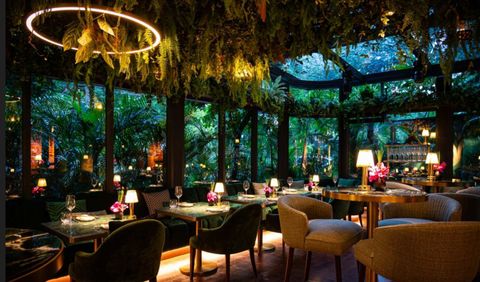
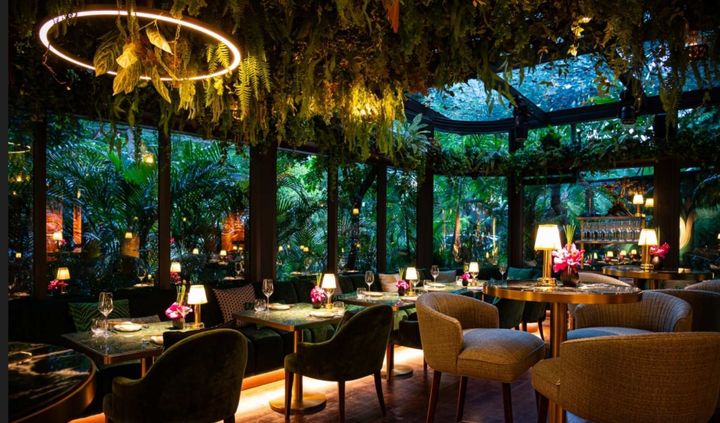
| Biophilic Design | Natural materials and greenery integration | High |
Several industry reports published throughout 2025 highlighted increased adoption of sustainable furniture materials as restaurants sought environmentally conscious design solutions. Hospitality design conferences held during 2025 and early 2026 also emphasized flexible seating configurations that allow spaces to adapt to changing customer needs.
Other notable developments include:
- Increased focus on ergonomic seating
- Greater demand for multifunctional furniture
- Wider adoption of outdoor dining concepts
- Enhanced attention to accessibility standards
- Growing interest in durable, low-maintenance materials
Dining Experience Factors Influenced by Furniture
The following chart illustrates the relative influence of furniture-related elements on dining experiences.
| Experience Factor | Influence Level |
| Comfort | Very High |
| Accessibility | High |
| Atmosphere | High |
| Space Efficiency | High |
| Visual Appeal | Moderate to High |
| Maintenance Quality | Moderate |
| Technology Compatibility | Moderate |
This overview demonstrates why furniture remains a central component of hospitality planning.
Laws, Regulations, and Policy Considerations
Restaurant furniture is often influenced by building regulations, accessibility requirements, health standards, and safety guidelines. Specific requirements vary by country and region.
Common regulatory areas include:
Accessibility Standards
Many jurisdictions require restaurants to provide accessible pathways, seating options, and table clearances for individuals with disabilities. Furniture placement must support safe movement throughout dining areas.
Fire Safety Requirements
Commercial furniture materials may need to comply with fire resistance standards depending on local regulations. Upholstered seating often receives particular attention.
Health and Hygiene Regulations
Furniture surfaces should be easy to clean and maintain. Health authorities commonly emphasize sanitation and proper maintenance of dining areas.
Building Occupancy Rules
Furniture arrangements can affect occupancy calculations and emergency evacuation pathways. Restaurants typically need to maintain clear access routes and exits.
Outdoor Dining Policies
Municipal authorities may regulate outdoor seating areas, including spacing requirements, public access considerations, and temporary structure guidelines.
Restaurant operators should regularly review local building codes, health regulations, and accessibility requirements to maintain compliance.
Helpful Tools and Resources
Several tools and resources can assist hospitality professionals when evaluating restaurant furniture and dining environments.
Space Planning Tools
- Floor plan design software
- Interior layout planners
- Seating capacity calculators
- Commercial design templates
Accessibility Resources
- Accessibility compliance checklists
- Inclusive design guidelines
- Building code reference materials
- Mobility pathway assessment tools
Furniture Evaluation Resources
- Material durability guides
- Ergonomic assessment checklists
- Hospitality design publications
- Maintenance planning templates
Industry Information Sources
- Hospitality design magazines
- Restaurant operations publications
- Commercial interior design resources
- Sustainability reporting platforms
Best Practices for Improving Dining Spaces
Restaurants seeking to improve customer experiences through furniture can consider the following recommendations:
- Prioritize guest comfort during furniture selection
- Maintain adequate spacing between seating areas
- Use durable materials suitable for commercial environments
- Incorporate accessible seating options
- Evaluate furniture regularly for maintenance needs
- Consider flexible layouts that accommodate changing demands
- Align furniture styles with the restaurant's overall atmosphere
- Balance aesthetics with practical functionality
These practices support both customer satisfaction and operational effectiveness.
Frequently Asked Questions
What type of restaurant furniture is most important for customer comfort?
Comfortable seating is often the most influential factor. Chairs and booths that provide adequate support and appropriate dimensions can significantly improve the dining experience.
How does restaurant furniture affect customer satisfaction?
Furniture influences comfort, accessibility, atmosphere, and convenience. These factors collectively shape how customers perceive their overall dining experience.
Why is accessibility important in restaurant furniture planning?
Accessible furniture arrangements help accommodate a diverse range of guests, including individuals with mobility challenges. Inclusive design contributes to a more welcoming environment.
What furniture trends are currently popular in restaurants?
Current trends include sustainable materials, modular seating systems, outdoor dining furniture, ergonomic designs, and nature-inspired interiors.
How often should restaurant furniture be evaluated?
Regular inspections are recommended to identify wear, maintenance needs, safety concerns, and opportunities for improvement. Many operators review furniture conditions throughout the year as part of facility management programs.
Conclusion
Restaurant furniture is a foundational element of the dining experience. It influences comfort, accessibility, atmosphere, functionality, and overall customer satisfaction. As hospitality environments continue to evolve, furniture choices increasingly reflect broader priorities such as sustainability, flexibility, and inclusive design.
Recent trends show growing interest in adaptable layouts, environmentally conscious materials, and ergonomic seating solutions. At the same time, regulations related to accessibility, safety, and hygiene continue to shape furniture planning decisions.
By understanding the role of furniture within restaurant environments and applying thoughtful design principles, hospitality professionals can create spaces that support positive dining experiences while meeting operational and regulatory expectations.