Discover Massage Chair Information: Complete Overview, Tips, Advice, Details, and Everyday Insights
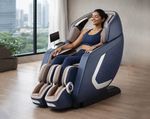
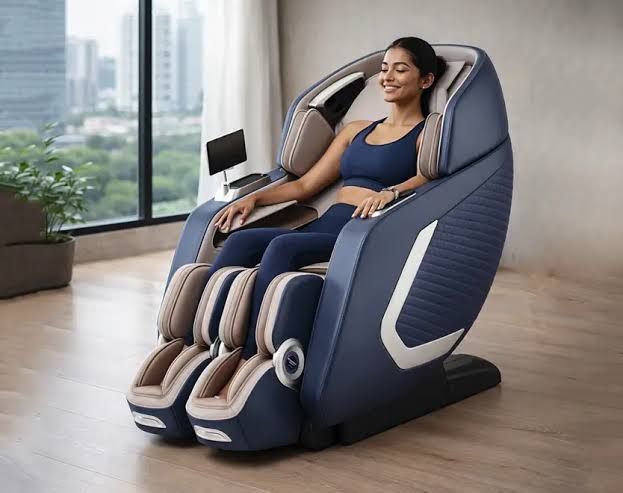
Massage chairs are specialized seating devices designed to simulate various massage techniques through mechanical components, rollers, airbags, vibration systems, and computerized programs. Their primary purpose is to provide relaxation, muscle stimulation, and comfort in a convenient indoor setting.
The concept of automated massage technology emerged decades ago and has evolved significantly with advancements in engineering, wellness technology, and ergonomic design. Modern massage chairs often include features such as body scanning, zero-gravity positioning, heat therapy functions, stretching programs, and customizable massage routines.
These devices exist to help individuals incorporate wellness-focused relaxation practices into daily life. While they are not replacements for professional medical care, they are commonly used as part of broader comfort and recovery routines. The growing interest in health technology, wellness equipment, ergonomic furniture, and smart home devices has increased public awareness of massage chairs worldwide.
Why Massage Chairs Matter in Modern Life
Today's lifestyles often involve extended periods of sitting, screen usage, commuting, and repetitive physical activities. As a result, many people seek convenient methods to support relaxation and physical comfort.
Massage chairs appeal to a wide range of individuals, including:
• Office workers who spend long hours seated
• Older adults seeking comfort and relaxation
• Fitness enthusiasts interested in recovery routines
• Individuals managing everyday physical tension
• People exploring wellness technology solutions
The importance of massage chairs extends beyond simple relaxation. Many users appreciate the structured routines and customizable settings that allow them to create personalized comfort experiences.
Common challenges these devices aim to address include:
| Everyday Challenge | How Massage Chairs May Help |
|---|---|
| Physical tension from sitting | Targeted massage programs |
| General fatigue | Relaxation-focused sessions |
| Post-exercise discomfort | Recovery-oriented routines |
| Stress from busy schedules | Quiet relaxation periods |
| Poor posture awareness | Ergonomic seating features |
The increasing integration of artificial intelligence, body-scanning technology, and personalized wellness programs has also contributed to their popularity. As wellness technology continues to expand, massage chairs remain part of a broader ecosystem that includes fitness trackers, health monitoring tools, and ergonomic products.
Recent Updates and Industry Trends
The massage chair industry has experienced several notable developments during 2025 and 2026.
One major trend is the increased adoption of AI-assisted body scanning systems. These technologies use sensors to identify body dimensions and adjust massage programs accordingly. Improved customization has become a significant focus among manufacturers.
Another trend involves expanded smart connectivity features. Many newer models can connect with mobile applications, allowing users to customize settings, save preferences, and track usage history.
Recent developments also include:
• Enhanced voice control functionality
• More advanced stretching programs
• Improved ergonomic designs
• Energy-efficient operating systems
• Quiet motor technology
• Personalized user profiles
The chart below highlights key industry trends observed during the past year.
| Trend | Industry Focus Level |
| AI Body Scanning | Very High |
| Mobile App Integration | High |
| Heat Therapy Enhancements | High |
| Voice Controls | Moderate |
| Smart Home Connectivity | Growing |
| Energy Efficiency | Growing |
Wellness technology reports published throughout 2025 noted continued consumer interest in home-based comfort solutions. The integration of digital wellness tools with traditional massage functions remains a prominent direction for future development.
Industry observers also report increasing attention to sustainability, with manufacturers exploring recyclable materials and energy-conscious designs.
Laws, Regulations, and Policy Considerations
Massage chairs are generally regulated under product safety, consumer protection, electrical safety, and manufacturing standards within different countries.
Regulatory requirements often focus on:
• Electrical safety compliance
• Product testing standards
• Consumer labeling requirements
• Electromagnetic compatibility standards
• Material safety regulations
• Warranty disclosure requirements
In many regions, massage chairs must comply with nationally recognized electrical certification programs before entering the market. Manufacturers are typically required to demonstrate that products meet established safety standards.
Consumer protection regulations may also require clear instructions regarding operation, maintenance, and safety precautions. Labels commonly provide information about intended use, operating limits, and important warnings.
For products incorporating wireless communication features, additional telecommunications or radio-frequency regulations may apply.
Government agencies responsible for consumer product safety often monitor compliance with applicable regulations. Policies may vary by country, making local regulatory requirements an important consideration for manufacturers and distributors.
It is important to recognize that massage chairs are generally categorized as wellness or comfort products rather than medical treatment devices unless specifically approved under relevant healthcare regulations.
Helpful Tools and Resources
A variety of digital tools and resources can help individuals learn more about massage chair technology, ergonomics, and wellness practices.
Useful categories include:
• Ergonomic assessment tools
• Posture evaluation applications
• Wellness tracking platforms
• Smart home integration systems
• Product specification comparison templates
• User manual databases
• Electrical safety information resources
Examples of commonly used resources include:
| Resource Type | Purpose |
| Ergonomic Calculators | Assess seating posture |
| Wellness Apps | Track relaxation routines |
| Product Comparison Sheets | Review technical specifications |
| Safety Certification Databases | Verify compliance information |
| Maintenance Checklists | Support routine upkeep |
| User Guide Libraries | Access operating instructions |
When researching massage chairs, it is often beneficial to review:
• Safety documentation
• Product specifications
• Independent testing information
• User instruction manuals
• Regulatory certification details
• Ergonomic design features
Educational resources from consumer safety organizations and wellness technology publications can also provide useful background information.
Frequently Asked Questions
Are massage chairs considered medical devices?
Most massage chairs are marketed as wellness and comfort products rather than medical devices. Regulatory classification depends on local laws and whether specific medical claims are made.
How do massage chairs create massage movements?
Massage chairs typically use motors, rollers, airbags, vibration mechanisms, and programmed control systems to simulate various massage techniques and movement patterns.
Can massage chairs be customized for different users?
Many modern models include body-scanning technology, adjustable intensity settings, user profiles, and multiple massage programs designed to accommodate different preferences.
What maintenance is generally required?
Common maintenance tasks include cleaning surfaces, inspecting power connections, following manufacturer guidelines, and keeping ventilation areas free from dust or obstruction.
Are smart features becoming more common?
Yes. Recent industry developments show increasing adoption of mobile app integration, voice controls, AI-assisted customization, and smart home compatibility features.
Conclusion
Massage chairs represent a growing category within the broader wellness technology and ergonomic furniture landscape. Designed to provide structured relaxation experiences through automated systems, these devices continue to evolve with advancements in artificial intelligence, connectivity, and personalized comfort features.
Their relevance has increased as individuals seek practical ways to incorporate relaxation and recovery routines into everyday life. Modern designs now include sophisticated body-scanning systems, app-based controls, ergonomic engineering, and energy-conscious technologies.
Understanding how massage chairs work, the regulations that affect them, current industry developments, and the resources available for further learning can help individuals make informed decisions when exploring wellness technology. As innovation continues, massage chairs are likely to remain an important part of the conversation surrounding comfort, ergonomics, and personal wellness solutions.

You May Also Like