Learn About Capping Machines: Discover Information, Overview, Advice, Suggestions, Details, and Resources
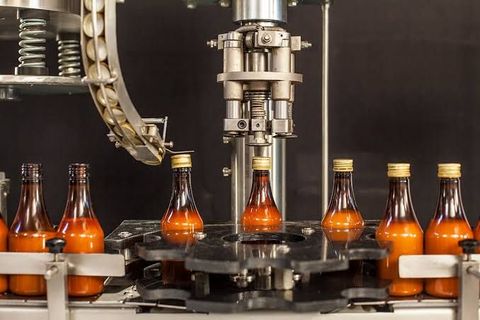
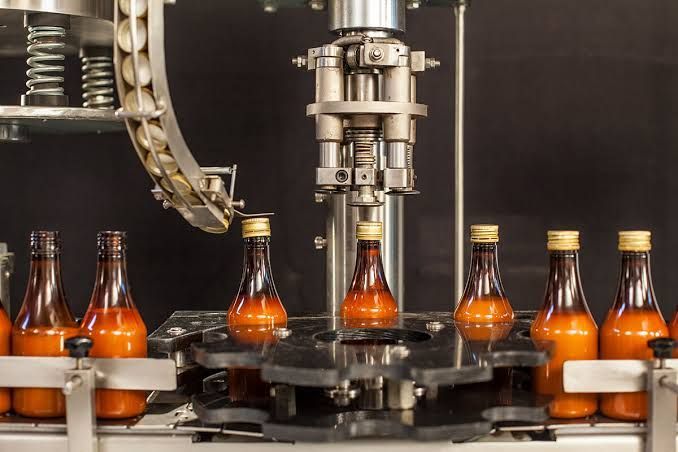
Capping machines are industrial systems designed to place and secure caps, lids, closures, or seals onto containers. These machines are commonly used in industries such as food processing, beverage manufacturing, pharmaceuticals, cosmetics, chemicals, and personal care products.
The main purpose of a capping machine is to ensure that containers are closed consistently and securely. Proper sealing helps maintain product quality, supports safety requirements, and improves efficiency during packaging operations.
As production volumes have increased worldwide, manufacturers have adopted automated packaging technologies to improve consistency and reduce manual handling. Capping machines have become an important part of modern packaging lines because they help standardise closure processes across large numbers of products.
Industries often use terms such as industrial packaging equipment, automated packaging systems, manufacturing automation, production line equipment, and packaging machinery solutions, which are commonly associated with capping machine technology.
Types of Capping Machines
Different industries require different closure methods. Common capping machine categories include:
| Machine Type | Common Application | Closure Style |
|---|---|---|
| Screw Capping Machine | Bottled products | Screw caps |
| Snap Capping Machine | Beverage and consumer products | Snap-on lids |
| ROPP Capping Machine | Beverage packaging | Aluminium roll-on caps |
| Vacuum Capping Machine | Food preservation | Vacuum-sealed closures |
| Press-On Capping Machine | Plastic containers | Press-fit caps |
| Multi-Head Capping Machine | High-volume production | Various cap types |
The selection of a capping method often depends on container material, production speed, closure design, and industry requirements.
Why Capping Machines Matter
Capping machines play a significant role in modern manufacturing and packaging operations. Their importance extends beyond simply placing a cap onto a container.
Accurate capping helps protect products from contamination, leakage, moisture exposure, and handling damage. In industries such as pharmaceuticals and food processing, proper sealing supports product integrity throughout transportation and storage.
Manufacturers also rely on capping technology to maintain consistency. Automated systems can apply closures with controlled torque levels and repeatable performance across thousands of containers.
Key Benefits
- Improved packaging consistency
- Enhanced production efficiency
- Reduced product leakage
- Better quality control processes
- Increased operational reliability
- Support for regulatory compliance
- Integration with automated production lines
The growing use of industrial automation systems, manufacturing equipment technology, and smart factory solutions has further increased the relevance of capping machinery.
Industries Commonly Using Capping Machines
| Industry | Typical Products |
|---|---|
| Food Processing | Sauces, oils, condiments |
| Beverage Production | Water, juice, soft drinks |
| Pharmaceuticals | Medicines and healthcare products |
| Cosmetics | Creams, lotions, skincare products |
| Chemicals | Cleaning products and industrial liquids |
| Agriculture | Liquid fertilisers and crop treatment products |
Recent Updates and Industry Trends
The packaging machinery sector has experienced several notable developments during 2025 and 2026. Many manufacturers are investing in automation technologies that improve operational visibility and production monitoring.
One significant trend is the adoption of smart manufacturing systems. Modern capping equipment increasingly incorporates sensors, digital monitoring tools, and predictive maintenance features. These technologies allow operators to identify performance issues before production interruptions occur.
Another development involves sustainability initiatives. Packaging companies continue to explore lightweight closures, recyclable materials, and packaging designs that support environmental goals. As packaging materials evolve, capping machines are being updated to handle a wider range of cap designs and container formats.
Artificial intelligence and machine vision systems are also becoming more common in packaging environments. These technologies can help identify improperly sealed containers and support automated inspection processes.
Emerging Industry Trends
- Smart packaging line integration
- Internet of Things (IoT) connectivity
- Machine vision inspection systems
- Predictive maintenance technologies
- Sustainable packaging compatibility
- Energy-efficient production equipment
- Data-driven manufacturing analytics
The following chart illustrates key industry trends influencing packaging machinery adoption.
| Trend | Industry Impact |
|---|---|
| Automation | High |
| Quality Monitoring | High |
| Sustainability | High |
| IoT Integration | Medium to High |
| Predictive Maintenance | Medium |
| Digital Analytics | Medium |
As manufacturing operations continue to modernise, demand for advanced packaging equipment and industrial automation technologies is expected to remain an important focus across many sectors.
Regulations, Standards, and Policy Considerations
Capping machines operate within broader manufacturing and packaging regulatory frameworks. While specific requirements vary by country and industry, several common standards influence packaging equipment operations.
Food and beverage manufacturers often follow regulations related to food safety, hygiene, and packaging integrity. Pharmaceutical manufacturers typically operate under Good Manufacturing Practice (GMP) requirements, which include strict controls for packaging and product handling.
Many jurisdictions also have workplace safety regulations governing machinery operation. These rules may require:
- Emergency stop systems
- Operator safety guards
- Equipment maintenance procedures
- Risk assessments
- Employee safety training
Environmental policies increasingly influence packaging operations as well. Governments in many regions continue to encourage recyclable packaging materials and waste reduction initiatives.
Common Regulatory Areas
| Regulatory Area | Purpose |
|---|---|
| Food Safety Standards | Product protection |
| GMP Requirements | Pharmaceutical quality control |
| Workplace Safety Rules | Employee protection |
| Environmental Policies | Waste reduction and sustainability |
| Packaging Standards | Consistent packaging quality |
Organisations often monitor updates from manufacturing authorities, safety agencies, and packaging standards bodies to remain informed about changing requirements.
Helpful Tools and Resources
A variety of tools and resources can help professionals, students, and researchers learn more about capping machines and packaging technology.
Industry publications frequently provide information about packaging trends, automation developments, and manufacturing best practices.
Useful resources include:
- Packaging industry journals
- Manufacturing technology publications
- Industrial automation learning platforms
- Equipment maintenance templates
- Production efficiency calculators
- Packaging line planning software
- Manufacturing analytics dashboards
- Quality assurance documentation templates
Common Digital Tools
| Tool Category | Purpose |
|---|---|
| Production Monitoring Software | Track machine performance |
| OEE Calculators | Measure operational efficiency |
| Maintenance Management Systems | Schedule inspections |
| Quality Control Software | Monitor packaging quality |
| Manufacturing Analytics Platforms | Evaluate production data |
| Machine Vision Systems | Inspect closures and seals |
These resources can support knowledge development and operational understanding across packaging environments.
Frequently Asked Questions
What is a capping machine?
A capping machine is a piece of packaging equipment designed to place and secure caps or closures onto containers. It is commonly used in manufacturing industries that package liquids, powders, creams, and other products.
Which industries use capping machines the most?
Food processing, beverage production, pharmaceuticals, cosmetics, chemicals, and agricultural manufacturing are among the most common industries using capping equipment.
How do automated capping machines improve efficiency?
Automated systems can process large numbers of containers consistently, helping manufacturers maintain packaging quality while reducing manual handling requirements.
What is torque control in capping machines?
Torque control refers to the force applied when tightening a cap. Proper torque levels help ensure closures are secure without causing damage to the container or cap.
Are capping machines part of Industry 4.0 manufacturing?
Many modern capping machines support Industry 4.0 concepts through digital monitoring, sensor integration, predictive maintenance tools, and data collection capabilities.
How do machine vision systems support capping operations?
Machine vision technology can inspect containers during production, helping identify missing caps, misaligned closures, or sealing issues before products move further along the packaging line.
Conclusion
Capping machines are an important component of modern packaging and manufacturing operations. They help ensure containers are sealed consistently, support quality control objectives, and contribute to efficient production processes across multiple industries.
As manufacturing technology continues to evolve, capping machines are becoming increasingly connected, intelligent, and adaptable. Developments in automation, machine vision, predictive maintenance, and sustainability are influencing how packaging equipment is designed and operated.
Understanding capping machine technology provides valuable insight into broader trends shaping industrial automation, packaging innovation, manufacturing efficiency, and production line performance. Whether viewed from a technical, operational, or educational perspective, capping machines remain a key element of modern packaging systems and industrial manufacturing infrastructure.

You May Also Like