Learn About Dental Laser Equipment: Discover Information, Overview, Details, Advice, Suggestions, and Expert Insights
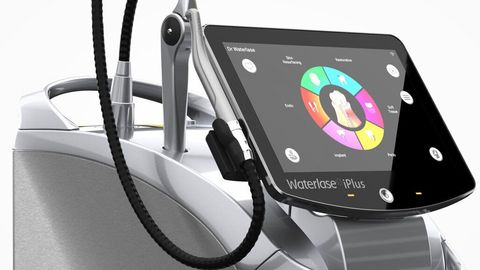
Dental laser equipment refers to specialized technology that uses concentrated light energy to perform various dental procedures. The word LASER stands for Light Amplification by Stimulated Emission of Radiation. Over the years, lasers have become an important part of modern dentistry because they can assist with soft tissue and hard tissue treatments.
Traditional dental procedures often rely on mechanical instruments for cutting, shaping, or removing tissue. Dental lasers were introduced to provide an alternative approach that may improve precision in certain procedures. Different laser systems are designed for specific purposes, including gum treatment, cavity preparation, teeth whitening support, and management of oral lesions.
Common types of dental laser equipment include diode lasers, erbium lasers, carbon dioxide lasers, and Nd lasers. Each type interacts differently with dental tissues and is selected according to clinical requirements.
Many dental professionals use laser technology as part of a broader treatment approach rather than as a replacement for conventional techniques. Understanding how these systems work helps patients, students, researchers, and healthcare professionals gain a clearer perspective on evolving dental technology.
Why Dental Laser Equipment Matters Today
Dental health remains a significant part of overall well-being. As oral healthcare continues to advance, technologies that improve treatment accuracy and patient experience receive increased attention.
Dental laser equipment is relevant because it may support a variety of procedures, including:
- Soft tissue management
- Periodontal therapy
- Cavity detection
- Tooth preparation
- Oral surgery assistance
- Treatment of oral lesions
- Gum contouring
The technology affects multiple groups, including dental practitioners, dental students, healthcare researchers, clinic administrators, and patients seeking information about modern treatment methods.
One challenge in dentistry is balancing treatment effectiveness with patient comfort. Laser-assisted procedures are often discussed because of their potential to provide targeted tissue interaction. Researchers continue studying how laser systems can support clinical outcomes while maintaining safety standards.
Another reason for growing interest is the increasing emphasis on minimally invasive dentistry. Many healthcare organizations and educational institutions highlight methods that preserve healthy tissue whenever possible. Dental lasers are frequently included in discussions surrounding these approaches.
Key Applications of Dental Laser Equipment
| Application Area | Typical Purpose |
|---|---|
| Periodontal Care | Support for gum-related procedures |
| Soft Tissue Treatment | Management of oral soft tissues |
| Hard Tissue Procedures | Tooth structure preparation |
| Oral Surgery | Precision tissue interaction |
| Lesion Treatment | Management of selected oral lesions |
| Diagnostic Support | Detection and assessment assistance |
The variety of applications demonstrates why laser technology remains an important topic within dental equipment research and education.
Recent Developments and Industry Trends
The dental technology sector has experienced continued innovation during the past year. Throughout 2025 and early 2026, manufacturers and research institutions reported developments focused on improving precision, software integration, and workflow efficiency.
Several notable trends include:
- Increased integration of digital dentistry systems with laser platforms.
- Greater compatibility with digital imaging technologies.
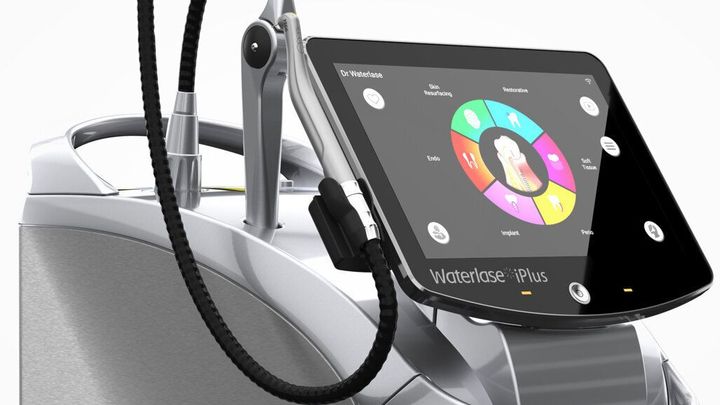
- Enhanced user interfaces designed for easier clinical operation.
- Expanded educational programs for laser dentistry training.
- Continued research into minimally invasive treatment techniques.
Another emerging trend is the use of data-driven clinical workflows. Modern dental equipment increasingly incorporates digital diagnostics, imaging systems, and treatment planning software. Laser devices are becoming part of these connected ecosystems.
Educational conferences held during 2025 highlighted advancements in laser-assisted periodontal procedures and tissue management. Researchers also presented studies evaluating long-term outcomes and safety considerations associated with different laser wavelengths.
The following chart illustrates major industry focus areas observed during recent developments:
| Trend Area | Industry Attention Level |
| Digital Integration | High |
| Clinical Training | High |
| Safety Monitoring | High |
| Workflow Optimization | Medium |
| AI-Assisted Diagnostics | Growing |
| Research Publications | Growing |
These developments reflect a broader movement toward technology-enabled dental care supported by evidence-based practices.
Regulations, Standards, and Policy Considerations
Dental laser equipment operates within regulatory frameworks intended to promote safety, effectiveness, and quality assurance.
Medical device authorities in many countries classify dental lasers as regulated healthcare equipment. Before entering the market, manufacturers typically must demonstrate compliance with relevant technical and safety requirements.
Key regulatory considerations often include:
- Medical device classification requirements
- Electrical safety standards
- Laser radiation safety standards
- Manufacturing quality management systems
- Clinical documentation requirements
- Operator training recommendations
Healthcare facilities using dental laser equipment may also be required to follow workplace safety procedures. These procedures can include protective eyewear protocols, equipment maintenance schedules, and staff training requirements.
International standards organizations contribute guidance related to laser performance, labeling, and risk management. Educational institutions often include laser safety principles within dental training programs to help future practitioners understand responsible equipment use.
Because regulations evolve over time, professionals frequently monitor updates from healthcare authorities and standards organizations relevant to their region.
Helpful Tools and Resources
Individuals interested in learning more about dental laser equipment can explore a variety of educational and professional resources.
Useful categories of resources include:
- Dental technology reference websites
- Clinical research databases
- Medical device regulatory portals
- Dental education platforms
- Continuing education programs
- Professional association publications
Examples of resource types include:
| Resource Category | Purpose |
| Research Databases | Access scientific studies |
| Clinical Guidelines | Review best practices |
| Safety Documentation | Learn risk management principles |
| Training Programs | Develop technical knowledge |
| Digital Imaging Software | Support treatment planning |
| Equipment Manuals | Understand device operation |
Additional educational tools commonly used by students and professionals include:
- Digital radiography software
- Treatment planning applications
- Clinical documentation templates
- Anatomy learning platforms
- Continuing education portals
- Medical literature search tools
These resources help support evidence-based understanding and informed decision-making.
Understanding Common Dental Laser Technologies
Different laser systems are designed for different clinical applications.
| Laser Type | Primary Area of Use |
| Diode Laser | Soft tissue procedures |
| Erbium Laser | Hard and soft tissue applications |
| CO₂ Laser | Soft tissue management |
| Nd Laser | Selected periodontal applications |
The selection of a laser system depends on factors such as wavelength characteristics, tissue interaction, treatment objectives, and practitioner training.
Researchers continue evaluating how different technologies perform across various clinical situations, contributing to ongoing advancements in dental science.
Frequently Asked Questions
What is dental laser equipment?
Dental laser equipment consists of medical devices that use concentrated light energy to assist with dental procedures involving soft tissues, hard tissues, or diagnostic applications.
Is dental laser technology widely used in dentistry?
Laser technology has become increasingly common in modern dentistry. Usage varies depending on clinical needs, practitioner training, and the type of procedures performed.
Are different types of dental lasers available?
Yes. Common categories include diode lasers, erbium lasers, carbon dioxide lasers, and Nd lasers. Each system has different characteristics and clinical applications.
Why is laser safety important?
Laser safety is important because these devices produce concentrated energy. Proper training, protective equipment, and adherence to safety protocols help reduce risks and support effective operation.
How does dental laser equipment relate to digital dentistry?
Many modern dental workflows combine lasers with digital imaging, treatment planning software, and diagnostic technologies. This integration supports more coordinated clinical processes.
What skills are associated with laser dentistry?
Knowledge areas often include laser physics, tissue interaction principles, safety procedures, treatment planning, equipment maintenance, and clinical application techniques.
Expert Insights and Educational Considerations
Experts frequently emphasize that dental laser equipment should be viewed as one component within a broader dental care framework. Successful implementation depends on appropriate training, evidence-based decision-making, and adherence to safety standards.
Research institutions continue exploring questions related to long-term outcomes, efficiency, patient experience, and technology integration. As scientific evidence grows, dental professionals gain access to more information that can guide clinical decision-making.
Educational organizations also stress the importance of understanding both the capabilities and limitations of laser systems. Balanced knowledge helps ensure realistic expectations and informed discussions about dental technologies.
Conclusion
Dental laser equipment represents an important advancement in modern dentistry and continues to attract attention from healthcare professionals, researchers, students, and patients. These systems use concentrated light energy to support a range of clinical procedures involving soft tissue, hard tissue, and diagnostic applications.
Recent developments during 2025 and early 2026 have focused on digital integration, enhanced usability, improved training opportunities, and ongoing clinical research. At the same time, regulatory standards and safety requirements remain essential components of responsible equipment use.
As dentistry continues evolving, dental laser technology is expected to remain a significant area of study and innovation. Understanding its applications, safety considerations, technological developments, and educational resources can help readers stay informed about one of the most discussed technologies in contemporary oral healthcare.