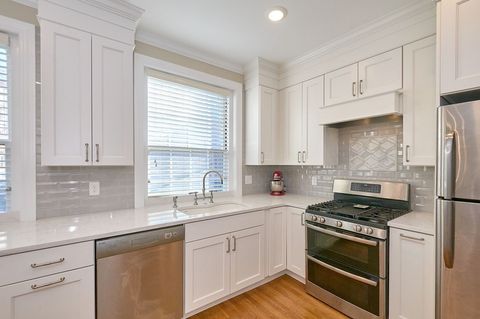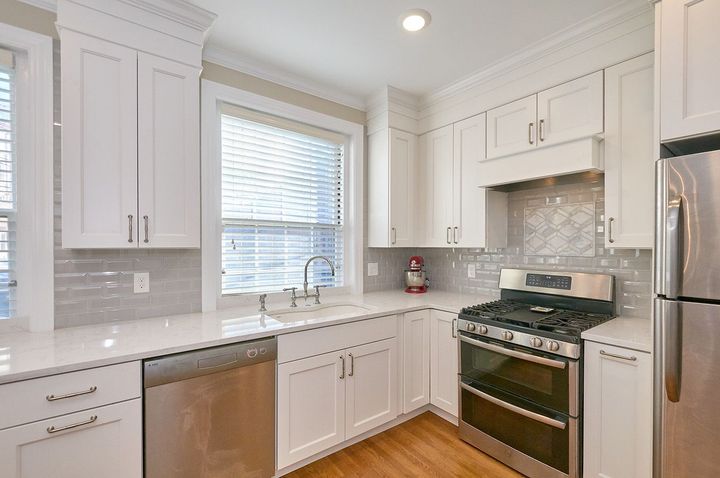
Discover Kitchen Renovation: Basics, Ideas, Costs, and Practical Design Tips Explained
Kitchen renovation refers to the process of improving or updating a kitchen’s layout, functionality, and appearance. This may include changes to cabinets, countertops, appliances, lighting, flooring, or overall design structure. The purpose is not only aesthetic improvement but also better usability and efficiency in daily activities.
Over time, kitchens can become outdated, less functional, or mismatched with modern living needs. Renovation exists to address these issues by aligning the space with current lifestyles, energy efficiency standards, and design preferences. It also helps optimize space in both small and large homes, making everyday tasks like cooking and storage more convenient.
Importance – Why Kitchen Renovation Matters Today
Kitchen renovation has become increasingly relevant due to evolving lifestyle patterns and the growing importance of multifunctional living spaces. Kitchens are no longer just cooking areas—they often serve as social hubs, workspaces, and gathering points.
Key reasons this topic matters today include:
- Improved functionality through better layouts such as open-plan kitchens
- Enhanced energy efficiency with modern appliances and lighting systems
- Better space utilization in compact homes and apartments
- Increased property value and long-term usability
- Health and hygiene improvements with updated materials and ventilation
Common problems it helps solve:
- Poor storage and cluttered layouts
- Inefficient lighting and ventilation
- Outdated appliances consuming excessive energy
- Limited workspace for cooking and preparation
Recent Updates – Trends and Developments
Kitchen renovation trends have evolved significantly over the past year, reflecting both technological advancements and lifestyle changes.
Notable updates from 2025–2026 include:
- Smart kitchen integration: Voice-controlled lighting, smart ovens, and connected appliances are becoming more common
- Sustainable materials: Increased use of recycled wood, bamboo, and eco-friendly finishes
- Minimalist design: Clean lines, handle-less cabinets, and neutral color palettes dominate modern kitchens
- Multi-functional islands: Kitchen islands now include storage, seating, and even workstations
- Hidden storage solutions: Pull-out cabinets and concealed compartments improve organization
Trend Comparison Table
| Feature | Traditional Kitchens | Modern Kitchens (2025–2026) |
|---|---|---|
| Layout | Closed | Open-plan |
| Storage | Basic cabinets | Smart storage solutions |
| Appliances | Manual | Smart-enabled |
| Materials | Standard wood | Sustainable materials |
| Lighting | Single source | Layered lighting |
Laws or Policies – Regulatory Considerations
Kitchen renovation is often influenced by building codes, safety regulations, and environmental standards. These rules vary by country but generally focus on safety, energy use, and structural integrity.
Key areas affected by regulations:
- Electrical systems: Wiring must meet safety standards, especially for high-power appliances
- Plumbing compliance: Proper installation of sinks, drainage, and water systems
- Ventilation requirements: Exhaust systems must meet air quality guidelines
- Fire safety: Use of fire-resistant materials and safe placement of cooking equipment
- Energy efficiency standards: Appliances and lighting may need to meet energy ratings
Some regions also encourage sustainable practices through incentives or certifications for eco-friendly renovations.
Tools and Resources – Helpful Planning Aids
Planning a kitchen renovation becomes easier with the right tools and resources. These can help visualize designs, estimate budgets, and organize tasks.
Useful tools include:
- Kitchen design software for 2D and 3D layout visualization
- Budget calculators to estimate renovation expenses
- Material comparison charts for selecting countertops, flooring, and cabinets
- Project management templates to track progress
- Measurement apps for accurate space planning
Sample Budget Allocation Table
| Component | Approximate Share (%) |
|---|---|
| Cabinets | 30–35% |
| Appliances | 15–20% |
| Countertops | 10–15% |
| Labor | 20–25% |
| Lighting & Fixtures | 5–10% |
Practical Design Tips and Ideas
A successful kitchen renovation balances aesthetics with functionality. Below are practical design ideas that can be applied to most spaces:
- Use the “work triangle” concept (sink, stove, refrigerator) for efficient movement
- Choose layered lighting: ambient, task, and accent lighting
- Opt for neutral base colors and add accents for flexibility
- Maximize vertical storage with tall cabinets
- Include pull-out drawers for better accessibility
- Select durable materials that are easy to maintain
Popular Layout Options
- L-shaped kitchen: Ideal for small to medium spaces
- U-shaped kitchen: Provides maximum storage and workspace
- Galley kitchen: Efficient for narrow areas
- Open-plan kitchen: Connects with living or dining areas
FAQs – Common Questions Answered
What is the first step in kitchen renovation?
The first step is planning. This includes assessing current issues, setting priorities, and defining layout and design preferences.
How long does a kitchen renovation usually take?
The timeline varies depending on complexity, but most projects range from a few weeks to a couple of months.
What materials are commonly used for countertops?
Popular options include granite, quartz, laminate, and solid surfaces, each with different durability and maintenance needs.
Is it necessary to change the layout during renovation?
Not always. Many renovations focus on upgrading materials and appliances without altering the existing layout.
How can storage be improved in small kitchens?
Using vertical cabinets, pull-out shelves, and multi-purpose furniture can significantly increase storage capacity.
Conclusion
Kitchen renovation is a practical approach to improving both the functionality and appearance of one of the most important spaces in a home. With thoughtful planning, updated design strategies, and awareness of modern trends, it is possible to create a space that is efficient, comfortable, and adaptable to changing needs.
By understanding key aspects such as layout planning, material selection, regulatory considerations, and available tools, individuals can make informed decisions throughout the renovation process. As kitchens continue to evolve into multifunctional spaces, staying informed about current practices ensures better outcomes and long-term usability.