Jump to a Chapter

Learn About Restaurant Equipment: Explore Guide, Advice, Insights, Explanation, and Helpful Resources

Learn About Restaurant Equipment: Explore Guide, Advice, Insights, Explanation, and Helpful Resources

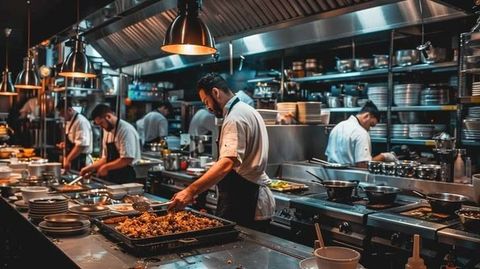
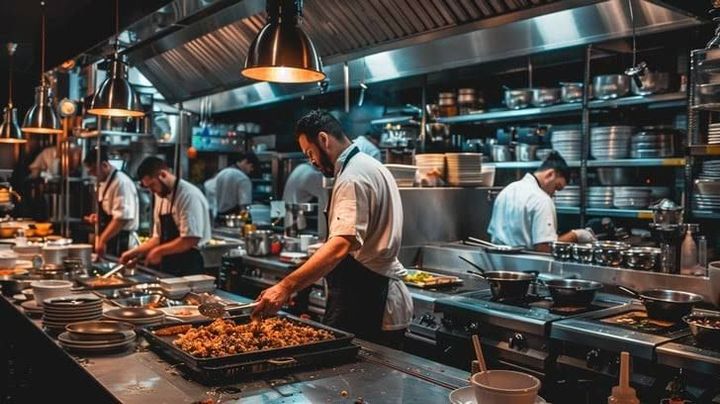
Restaurant equipment refers to the tools, machines, appliances, and fixtures used to prepare, store, cook, serve, and manage food in commercial dining environments. These items range from ovens, refrigeration units, and dishwashing systems to food preparation stations, ventilation systems, and digital kitchen management tools.


The concept of restaurant equipment exists because food preparation on a commercial scale requires efficiency, consistency, safety, and compliance with health standards. Unlike household kitchens, restaurants often handle large food volumes, multiple menu items, and strict operational requirements.

Modern restaurant equipment has evolved significantly over the years. Advances in automation, energy efficiency, food safety monitoring, and digital integration have transformed how commercial kitchens operate. Today, many facilities rely on connected systems that help monitor temperatures, track maintenance schedules, and improve operational workflows.

The restaurant equipment sector is closely connected to commercial kitchen equipment, industrial refrigeration systems, food safety technology, commercial cooking appliances, and energy-efficient kitchen solutions, which are commonly discussed in the hospitality and foodservice industries.

Common Categories of Restaurant Equipment

Equipment CategoryPrimary Purpose
Cooking EquipmentBaking, frying, grilling, steaming
Refrigeration EquipmentFood preservation and storage
Food Preparation EquipmentCutting, mixing, processing ingredients
Dishwashing EquipmentCleaning utensils and cookware
Ventilation SystemsManaging heat, smoke, and air quality
Storage EquipmentOrganizing ingredients and supplies
Digital Management SystemsMonitoring operations and compliance

Why Restaurant Equipment Matters

Restaurant equipment plays an important role in maintaining food quality, workplace safety, and operational consistency. Properly designed equipment helps reduce food waste, improve workflow efficiency, and support regulatory compliance.

The topic affects a wide range of stakeholders, including:

  • Restaurant operators
  • Hospitality organizations
  • Commercial kitchen managers
  • Foodservice professionals
  • Educational institutions with culinary programs
  • Healthcare and institutional food facilities

Several challenges can arise when equipment is outdated or poorly maintained:

  • Inconsistent food preparation
  • Increased energy consumption
  • Food safety risks
  • Equipment downtime
  • Reduced operational efficiency

Modern commercial kitchen equipment addresses many of these concerns through automation, temperature monitoring, predictive maintenance technologies, and improved ergonomic designs.

Benefits of Modern Equipment Technologies

AreaPotential Improvement
Food SafetyBetter temperature control
Energy EfficiencyReduced resource consumption
ProductivityFaster preparation processes
ComplianceEasier record-keeping
MaintenanceImproved monitoring systems
SustainabilityReduced waste generation

Recent Developments and Industry Trends

The restaurant equipment industry has experienced several notable developments during 2025 and 2026.

One significant trend is the increased adoption of smart kitchen technology. Connected sensors and Internet of Things (IoT) solutions are being integrated into refrigeration systems, ovens, and storage equipment to monitor performance and food safety conditions in real time.

Energy efficiency has also become a major focus. Manufacturers have continued developing commercial refrigeration and cooking equipment designed to reduce electricity consumption while maintaining operational performance.

Another important development is the growth of automated food preparation systems. Automated fryers, ingredient dispensers, and kitchen workflow management platforms are becoming more common in large-scale foodservice environments.

Recent Industry Trends Overview

TrendDescription
Smart Kitchen SystemsReal-time monitoring and analytics
Predictive MaintenanceEarly identification of equipment issues
Energy-Efficient AppliancesLower energy usage
Automation TechnologyReduced repetitive manual tasks
Digital Food Safety RecordsImproved compliance tracking
Sustainable Equipment DesignFocus on resource efficiency

In 2025, many hospitality organizations increased investments in digital kitchen infrastructure to improve operational visibility and food safety management. Industry discussions have also highlighted growing interest in artificial intelligence applications for inventory forecasting and equipment monitoring.

Environmental sustainability remains an important topic. Commercial kitchens are increasingly evaluating water efficiency, energy consumption, and waste reduction practices when selecting equipment solutions.

Restaurant Equipment and Regulatory Considerations

Restaurant equipment is often influenced by food safety regulations, workplace safety requirements, environmental standards, and building codes.

Government agencies and regulatory bodies typically establish standards related to:

  • Food storage temperatures
  • Sanitation procedures
  • Ventilation requirements
  • Fire safety measures
  • Electrical safety standards
  • Occupational health protections

Commercial refrigeration systems, cooking equipment, and dishwashing units often need to comply with recognized performance and safety standards before being installed in foodservice facilities.

Areas Commonly Regulated

Regulatory AreaPurpose
Food SafetyPrevent contamination
Fire ProtectionReduce operational risks
Workplace SafetyProtect employees
Environmental StandardsEncourage sustainability
Building ComplianceSupport safe facility design

Many jurisdictions have adopted stricter energy-efficiency requirements over recent years. Updated standards may encourage the use of appliances designed to reduce environmental impact and improve resource utilization.

Restaurant operators are generally encouraged to stay informed about local health department requirements, safety inspections, and applicable building regulations to maintain compliance.

Helpful Tools and Resources

A variety of digital tools and educational resources support restaurant equipment management and commercial kitchen operations.

Commonly used resources include:

  • Equipment maintenance scheduling software
  • Food temperature monitoring applications
  • Commercial kitchen design templates
  • Energy consumption calculators
  • Preventive maintenance tracking systems
  • Inventory management platforms
  • Food safety compliance checklists
  • Digital inspection reporting tools

Useful Resource Categories

Resource TypePurpose
Maintenance SoftwareTrack equipment performance
Energy CalculatorsEstimate energy usage
HACCP TemplatesSupport food safety planning
Inventory SystemsMonitor stock levels
Digital Inspection ToolsRecord compliance activities
Equipment ManualsReference operational guidance

Educational organizations, hospitality associations, and public health agencies also publish guidance materials that help professionals understand equipment operation, sanitation practices, and compliance requirements.

Practical Considerations When Evaluating Equipment

When assessing restaurant equipment, several factors are commonly reviewed:

  • Capacity requirements
  • Energy efficiency ratings
  • Maintenance accessibility
  • Durability and lifespan
  • Food safety features
  • Space utilization
  • Digital monitoring capabilities
  • Environmental impact

The suitability of a particular solution often depends on menu complexity, facility size, workflow requirements, and regulatory obligations.

Equipment Lifecycle Overview


Planning
   ↓
Installation
   ↓
Daily Operation
   ↓
Maintenance
   ↓
Performance Monitoring
   ↓
Upgrade or Replacement


Understanding the lifecycle of commercial kitchen equipment helps organizations improve long-term operational efficiency and maintain compliance with evolving standards.

Frequently Asked Questions

What is restaurant equipment?

Restaurant equipment includes commercial appliances, tools, machines, and fixtures used for food preparation, cooking, storage, sanitation, and kitchen management within professional foodservice environments.

Why is commercial kitchen equipment different from household equipment?

Commercial equipment is designed for higher workloads, extended operating periods, greater durability, and compliance with professional food safety and workplace regulations.

What are smart kitchen systems?

Smart kitchen systems use sensors, connectivity, and software platforms to monitor equipment performance, track temperatures, generate alerts, and support operational decision-making.

How does restaurant equipment contribute to food safety?

Proper equipment helps maintain safe storage temperatures, supports sanitation procedures, reduces contamination risks, and assists with compliance documentation.

Why is energy efficiency important in restaurant equipment?

Energy-efficient equipment can reduce resource consumption, support sustainability initiatives, improve operational performance, and help organizations meet evolving environmental standards.

Conclusion

Restaurant equipment is a foundational component of modern foodservice operations. From commercial cooking appliances and refrigeration systems to digital monitoring platforms and food safety technologies, these tools support efficiency, consistency, and regulatory compliance.

Recent developments in smart kitchen technology, predictive maintenance, automation, and energy-efficient equipment continue to influence the industry. At the same time, regulatory requirements related to food safety, workplace protection, and environmental performance remain important considerations for organizations operating commercial kitchens.

By understanding the purpose, trends, regulations, and available resources associated with restaurant equipment, readers can gain a clearer perspective on how commercial kitchens function and how technological advancements are shaping the future of foodservice operations.

author-image

Harshit Sharma

We are a performance-driven media buying team focused on scaling brands through smart, data-backed advertising strategies

July 29, 2026 . 8 min read