Table of Contents

Explore Sterilization Equipment: Understanding Basics, Knowledge, Tips, Information, and Useful Help Resources

Explore Sterilization Equipment: Understanding Basics, Knowledge, Tips, Information, and Useful Help Resources

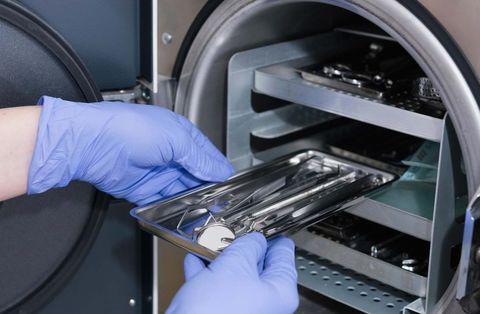
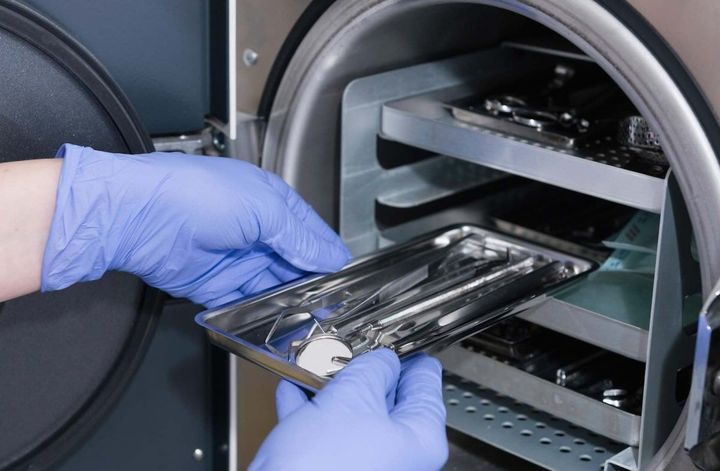
Sterilization equipment refers to machines and systems designed to eliminate microorganisms such as bacteria, viruses, fungi, and spores from medical instruments, laboratory tools, pharmaceutical materials, and other sensitive items. The goal of sterilization is to create an environment where harmful microorganisms cannot survive.


Sterilization has been an important practice for decades, particularly in healthcare settings where contamination can lead to infections and complications. As medical procedures became more advanced, the need for reliable sterilization technology increased significantly.

Common types of sterilization equipment include:

  • Steam sterilizers (autoclaves)
  • Ethylene oxide sterilizers
  • Hydrogen peroxide sterilizers
  • Dry heat sterilizers
  • Radiation sterilization systems
  • Ultraviolet sterilization units

Different sterilization methods are selected based on the material being processed, heat sensitivity, and safety requirements.

Common Sterilization Equipment Types

Equipment TypeMethod UsedTypical Applications
Steam AutoclaveHigh-pressure steamSurgical instruments
Dry Heat SterilizerHot airGlassware and metal tools
Hydrogen Peroxide SystemVaporized peroxideSensitive medical devices
Ethylene Oxide UnitGas sterilizationComplex medical equipment
UV SterilizerUltraviolet lightSurface treatment
Radiation SystemIonizing radiationIndustrial sterilization

Why Sterilization Equipment Matters Today

Sterilization equipment plays a critical role in infection prevention and public health. Healthcare facilities, research laboratories, pharmaceutical manufacturers, and biotechnology organizations depend on sterilization processes to maintain safety standards.

Without proper sterilization, contaminated equipment can contribute to the spread of infectious diseases. This risk affects patients, healthcare workers, researchers, and the broader community.

Several factors have increased the importance of sterilization technology:

  • Growing healthcare infrastructure
  • Expansion of pharmaceutical manufacturing
  • Increased focus on infection prevention
  • Rising awareness of patient safety
  • Stricter quality assurance requirements

The technology helps solve important challenges such as:

  • Reducing healthcare-associated infections
  • Protecting laboratory environments
  • Supporting vaccine and pharmaceutical production
  • Improving public health outcomes
  • Maintaining compliance with safety regulations

High-Value Industry Keywords Associated with Sterilization Equipment

The sterilization industry is often connected with several high-interest technology and healthcare terms:

Industry KeywordRelevance
Medical Device ComplianceRegulatory standards
Infection Control SystemsHealthcare safety
Healthcare TechnologyMedical infrastructure
Pharmaceutical ManufacturingDrug production
Laboratory Equipment ManagementResearch facilities
Quality Assurance ProgramsSafety monitoring
Healthcare Risk ManagementPatient protection
Clinical Safety StandardsMedical procedures
Industrial Sterilization SolutionsManufacturing processes
Medical Equipment ValidationRegulatory compliance

Recent Updates and Industry Trends

The sterilization equipment sector has experienced notable developments during 2025 and 2026.

Healthcare organizations worldwide have continued investing in advanced infection-control technologies. Increased attention has been placed on automated sterilization monitoring systems that provide digital tracking and reporting.

Recent trends include:

  • Greater adoption of low-temperature sterilization systems
  • Expansion of automated monitoring software
  • Improved data logging and compliance reporting
  • Enhanced energy-efficient sterilization technologies
  • Increased use of hydrogen peroxide vapor systems

Several manufacturers have introduced smart sterilization platforms capable of recording cycle performance, maintenance schedules, and equipment validation data.

Another important development is the growing emphasis on sustainability. Newer systems are being designed to reduce water consumption, energy use, and environmental impact while maintaining sterilization effectiveness.

Industry Trend Overview


Adoption Growth (2025-2026)

Automation ██████████
Digital Monitoring ███████████
Compliance Tracking ██████████
Low-Temperature Methods █████████
Sustainability Features ████████


The healthcare sector continues to prioritize sterilization technologies as part of broader infection-prevention programs and patient-safety initiatives.

Laws, Regulations, and Policy Considerations

Sterilization equipment is heavily influenced by safety regulations and quality standards. Governments and regulatory agencies establish requirements to ensure sterilization processes are reliable and consistent.

Common regulatory areas include:

  • Equipment validation
  • Performance testing
  • Maintenance procedures
  • Documentation requirements
  • Infection control standards
  • Medical device processing guidelines

Organizations operating sterilization systems often follow standards developed by international and national regulatory bodies.

Examples of common policy areas include:

  • Medical device reprocessing standards
  • Healthcare infection prevention guidelines
  • Occupational safety requirements
  • Pharmaceutical manufacturing regulations
  • Quality management systems

Regulatory compliance helps ensure:

  • Consistent sterilization performance
  • Patient and worker safety
  • Accurate record keeping
  • Reliable equipment operation
  • Reduced contamination risks

Facilities typically conduct regular inspections, validation testing, and maintenance reviews to maintain compliance with applicable regulations.

Best Practices for Sterilization Equipment Management

Proper management improves effectiveness and supports long-term operational reliability.

Important practices include:

  • Following manufacturer instructions
  • Performing routine maintenance
  • Monitoring sterilization cycles
  • Maintaining accurate documentation
  • Conducting regular performance testing
  • Training personnel appropriately
  • Verifying sterilization indicators

Additional recommendations include:

  • Scheduling preventive maintenance
  • Monitoring environmental conditions
  • Reviewing compliance documentation
  • Updating procedures when standards change
  • Implementing quality assurance programs

These practices contribute to safer and more reliable sterilization outcomes.

Helpful Tools and Resources

A variety of digital tools and resources support sterilization management and compliance activities.

Useful resources may include:

  • Sterilization cycle monitoring software
  • Equipment maintenance tracking systems
  • Compliance documentation templates
  • Infection control assessment tools
  • Healthcare quality management platforms
  • Laboratory management software
  • Equipment validation checklists

Helpful categories of resources include:

Resource TypePurpose
Maintenance LogsTrack equipment servicing
Validation TemplatesDocument performance testing
Compliance ChecklistsSupport audits
Training MaterialsImprove staff knowledge
Monitoring DashboardsTrack sterilization cycles
Quality Assurance ToolsVerify process effectiveness

Educational resources can also help users stay informed about emerging sterilization technologies, regulatory updates, and infection-control practices.

Knowledge Tips for Understanding Sterilization Systems

When learning about sterilization equipment, consider the following practical tips:

  • Understand the difference between cleaning, disinfection, and sterilization.
  • Learn which sterilization method is appropriate for different materials.
  • Review safety procedures before operating equipment.
  • Pay attention to validation and monitoring requirements.
  • Understand the importance of biological and chemical indicators.
  • Keep current with evolving regulations and industry standards.

Developing foundational knowledge helps individuals better understand how sterilization contributes to healthcare quality and safety.

Frequently Asked Questions

What is sterilization equipment used for?

Sterilization equipment is used to eliminate microorganisms from instruments, materials, and surfaces. It is commonly used in healthcare facilities, laboratories, pharmaceutical environments, and industrial settings.

What is the difference between sterilization and disinfection?

Disinfection reduces many harmful microorganisms but may not eliminate all microbial life. Sterilization aims to destroy or remove all microorganisms, including resistant spores.

Which sterilization method is most commonly used?

Steam sterilization through autoclaves is one of the most widely used methods because it is effective, reliable, and suitable for many medical instruments.

Why is equipment validation important?

Validation confirms that sterilization systems consistently achieve the required performance standards. It helps ensure safety, reliability, and regulatory compliance.

How often should sterilization equipment be maintained?

Maintenance schedules vary depending on equipment type, usage frequency, and manufacturer recommendations. Regular inspections and preventive maintenance are considered best practice.

What industries rely on sterilization equipment?

Healthcare, pharmaceutical manufacturing, biotechnology, medical device production, research laboratories, food processing, and industrial manufacturing commonly utilize sterilization technologies.

Conclusion

Sterilization equipment serves as a fundamental component of modern infection prevention, healthcare quality, laboratory safety, and pharmaceutical manufacturing. By eliminating harmful microorganisms, these systems help protect patients, healthcare professionals, researchers, and consumers.

Recent developments have focused on automation, digital monitoring, sustainability, and improved compliance tracking. At the same time, regulations continue to emphasize validation, documentation, and quality assurance to ensure consistent sterilization performance.

Understanding sterilization equipment, the methods involved, applicable regulations, and available management resources can help individuals and organizations make informed decisions while supporting safe and effective operational practices.

author-image

Harshit Sharma

We are a performance-driven media buying team focused on scaling brands through smart, data-backed advertising strategies

June 26, 2026 . 8 min read