Table of Contents

Dental Chairs and Clinic Furniture Explained: Features, Ergonomics, Design, and Practice Setup Insights

Dental Chairs and Clinic Furniture Explained: Features, Ergonomics, Design, and Practice Setup Insights

Modern dental clinics rely on more than clinical expertise and advanced treatment equipment. The design of treatment spaces, the functionality of dental chairs, and the quality of clinic furniture all contribute to workflow efficiency, patient comfort, and overall practice operations

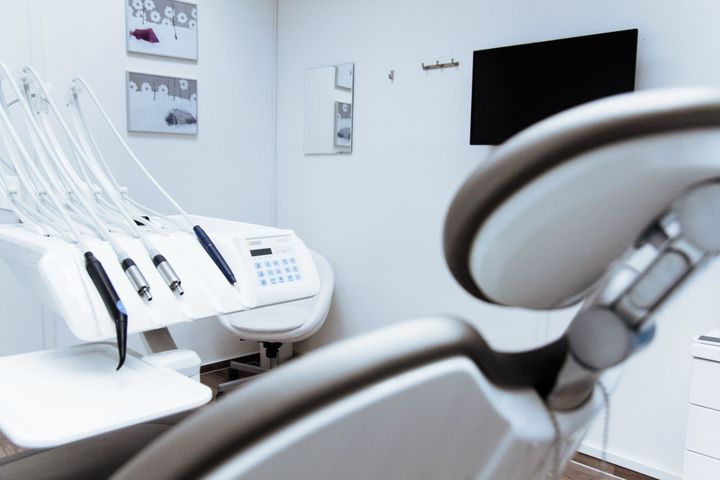
Over the years, dental chairs and clinic furniture have evolved significantly through innovations in ergonomics, materials, automation, digital integration, and patient-centered design. Today's dental environments often combine functionality, aesthetics, and technology to create efficient and comfortable treatment settings.

This article explores dental chairs, clinic furniture systems, ergonomic principles, design considerations, and healthcare facility trends from an educational perspective. It does not provide medical, purchasing, engineering, legal, financial, or professional practice-management advice.

Understanding Dental Chairs

A dental chair is a specialized treatment chair designed to support both patients and dental professionals during clinical procedures.

Modern dental chairs are typically designed to facilitate:

  • Patient positioning
  • Clinical accessibility
  • Workflow efficiency
  • Practitioner comfort
  • Equipment integration

Dental chair configurations vary according to treatment requirements, clinic layouts, and operational preferences.

The Evolution of Dental Chair Design

Dental treatment environments have changed considerably over time.

Key developments include:

  • Adjustable positioning systems
  • Ergonomic engineering
  • Integrated technology
  • Improved patient comfort
  • Enhanced accessibility
  • Digital workflow integration

These innovations continue influencing contemporary dental practice design.

Core Components of a Dental Chair

Most modern dental chairs include several essential elements.

Common components may include:

  • Adjustable backrests
  • Headrests
  • Seat cushioning
  • Arm supports
  • Positioning controls
  • Treatment lighting integration

The exact configuration depends on the intended clinical application and equipment design.

Ergonomics in Dental Practice

Ergonomics plays a critical role in both patient care and practitioner comfort.

Key objectives often include:

  • Reducing physical strain
  • Improving accessibility
  • Supporting natural posture
  • Enhancing workflow efficiency
  • Promoting user comfort

Effective ergonomic design may contribute to improved clinical experiences.

Patient Comfort Features

Patient experience is an important consideration in modern dental facilities.

Comfort-focused features may include:

  • Contoured seating
  • Soft upholstery materials
  • Smooth positioning adjustments
  • Adjustable head support
  • Noise reduction technologies

Patient comfort considerations often influence treatment environment design.

Adjustable Positioning Systems

Modern dental chairs frequently utilize motorized positioning technologies.

Potential functions may include:

  • Height adjustment
  • Reclining mechanisms
  • Tilt controls
  • Preset positioning options
  • Treatment-specific configurations

Adjustability supports flexibility during various clinical procedures.

Integrated Technology Solutions

Dental equipment increasingly incorporates digital technologies.

Examples may include:

  • Touchscreen controls
  • Digital interfaces
  • Automated settings
  • Equipment synchronization
  • Workflow management systems

Technology integration can contribute to operational efficiency and user convenience.

Understanding Clinic Furniture

Dental clinic furniture extends beyond treatment chairs and includes various functional elements throughout the practice.

Common categories include:

  • Reception furniture
  • Storage systems
  • Clinical cabinetry
  • Workstations
  • Consultation furniture
  • Waiting area furnishings

Each component contributes to the overall functionality of the facility.

Reception Area Design

Reception spaces often serve as the first point of interaction within a dental clinic.

Design considerations may include:

  • Patient flow
  • Seating arrangements
  • Accessibility
  • Information management
  • Visual aesthetics

Reception areas frequently influence first impressions and patient experiences.

Clinical Cabinetry and Storage

Storage solutions are important components of dental practice organization.

Common objectives include:

  • Instrument management
  • Supply organization
  • Workflow efficiency
  • Accessibility
  • Space optimization

Modern cabinetry systems are often designed to support cleanliness and operational efficiency.

Materials Used in Dental Furniture

Material selection influences durability, appearance, and maintenance requirements.

Common materials may include:

  • Medical-grade laminates
  • Stainless steel components
  • Composite materials
  • Upholstery fabrics
  • Engineered surfaces

Material choices vary according to intended use and facility requirements.

Infection Control Considerations

Healthcare environments frequently prioritize surfaces and furnishings that support cleaning and maintenance procedures.

Examples may include:

  • Smooth surface designs
  • Durable materials
  • Seam-reduction concepts
  • Accessible cleaning areas

Requirements and standards vary according to local regulations and healthcare guidelines.

Lighting and Workspace Design

Lighting is an important element within treatment environments.

Common considerations include:

  • Visibility
  • Practitioner comfort
  • Patient experience
  • Task-focused illumination
  • Ambient lighting balance

Lighting strategies often contribute to both functionality and aesthetics.

Accessibility and Inclusive Design

Modern healthcare facilities increasingly emphasize accessibility.

Design considerations may include:

  • Patient mobility needs
  • Entry accessibility
  • Flexible layouts
  • Adaptive furniture solutions

Inclusive design supports a broader range of patient requirements.

Digital Dentistry Integration

Advancements in digital dentistry continue influencing clinic design.

Examples include:

  • Digital imaging systems
  • Computerized workflows
  • Electronic records integration
  • Connected equipment platforms
  • Digital consultation tools

Technology integration increasingly shapes modern treatment environments.

Space Planning for Dental Clinics

Effective space planning is important for operational efficiency.

Common considerations include:

  • Treatment room layout
  • Equipment placement
  • Staff movement pathways
  • Patient flow management
  • Storage accessibility

Facility design often seeks to balance functionality and comfort.

Aesthetic Design and Branding

Many dental practices incorporate design elements that reflect their identity and service philosophy.

Examples may include:

  • Interior color schemes
  • Furniture selection
  • Architectural features
  • Waiting area design
  • Visual consistency

Aesthetic considerations often contribute to patient perceptions and overall clinic atmosphere.

Sustainability in Healthcare Furniture

Sustainability continues influencing healthcare facility design.

Areas of focus may include:

  • Durable materials
  • Resource-efficient manufacturing
  • Energy-conscious design
  • Long product lifecycles
  • Environmental responsibility initiatives

Approaches vary among manufacturers and facility planners.

Dental Technology Trends in 2026

Several developments continue shaping dental furniture and treatment environments.

Current trends include:

  • Ergonomic treatment systems
  • Smart chair technologies
  • Digital workflow integration
  • Connected equipment ecosystems
  • Advanced patient comfort features
  • Sustainable material applications
  • Flexible clinic layouts
  • Data-enabled operational systems

These trends reflect broader innovation occurring throughout healthcare and dental technology sectors.

Frequently Asked Questions

What is a dental chair?

A dental chair is a specialized treatment chair designed to support patient positioning and clinical access during dental procedures.

Why is ergonomics important in dental clinics?

Ergonomic design may help improve comfort, workflow efficiency, and accessibility for both practitioners and patients.

What types of furniture are commonly found in dental clinics?

Common furniture categories include treatment chairs, cabinetry, reception furniture, storage systems, workstations, and waiting area furnishings.

How does technology influence modern dental chairs?

Modern systems may incorporate digital controls, automation, connectivity features, and workflow-support technologies.

Why is patient comfort emphasized in clinic design?

Comfort-focused environments may contribute to positive patient experiences and overall satisfaction.

Conclusion

Dental chairs and clinic furniture play an important role in the functionality, comfort, and efficiency of modern dental practices. Through advancements in ergonomics, digital integration, patient-centered design, and healthcare technology, today's treatment environments are increasingly focused on supporting both clinical excellence and positive patient experiences.

As dental technology and facility design continue evolving, dental chairs and clinic furnishings are expected to become more intelligent, adaptable, and integrated within modern healthcare ecosystems.

Disclaimer

This article is intended solely for informational and educational purposes. It does not provide medical, dental, engineering, purchasing, legal, financial, architectural, regulatory, or professional practice-management advice. It does not endorse, recommend, compare, rank, review, market, or promote any dental chair manufacturer, furniture supplier, healthcare provider, clinic design service, or product. Equipment specifications, regulatory requirements, operational needs, and facility designs vary by jurisdiction and practice setting. Readers should consult qualified professionals before making related decisions.

author-image

Ravi Shankar Maurya

We create purposeful content that speaks, resonates, and drives action.

June 23, 2026 . 9 min read