Bedroom Furniture Guide: Explore Modern Design and Comfort Ideas
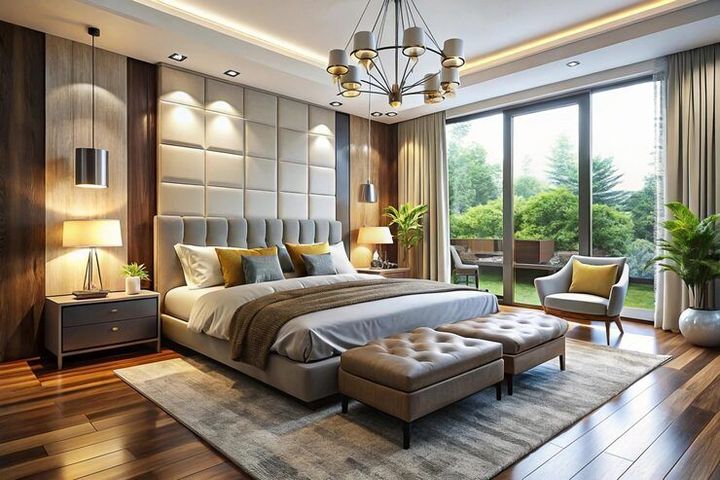
Bedroom furniture refers to the collection of furniture pieces designed specifically for sleeping, storage, and personal comfort. A standard bedroom set may include a bed frame, side tables, a wardrobe, and additional storage furniture. These items help organize clothing, bedding, accessories, and personal belongings while improving the appearance of the room.
In earlier decades, bedroom furniture focused mainly on durability and storage. Today, design preferences include comfort, modular layouts, and minimalist styles. Many modern bed designs now include hidden storage compartments, adjustable headboards, and multifunctional features.
Common Components of a Bedroom Set
A complete bedroom set may contain several essential items depending on room size and personal requirements.
| Furniture Item | Purpose | Common Materials |
|---|---|---|
| Bed Frame | Supports the mattress and sleeping area | Wood, metal, engineered wood |
| Mattress | Provides sleeping comfort and body support | Foam, latex, spring |
| Wardrobe | Stores clothing and accessories | Wood, laminate, steel |
| Bedside Table | Holds daily-use items | Wood, glass, metal |
| Storage Bench | Extra seating and storage | Upholstered fabric, wood |
Purpose of Bedroom Furniture
Bedroom furniture serves both practical and decorative purposes. It helps improve room organization, supports healthy sleep habits, and contributes to a peaceful environment. Proper bedroom decor can also influence relaxation, productivity, and emotional comfort.
Importance
Why Bedroom Furniture Matters
A well-designed bedroom supports daily routines and personal well-being. The right mattress and bed frame may improve sleep quality by supporting posture and reducing discomfort. Storage furniture such as wardrobes and drawers can also reduce clutter and improve room functionality.
Bedroom furniture affects different groups of people in different ways:
- Families may need larger storage options and durable materials.
- Students and apartment residents often prefer compact furniture.
- Older adults may require ergonomic bed heights and supportive mattresses.
- Remote workers sometimes include reading corners or small workspaces inside bedrooms.
Impact on Interior Design
Bedroom decor contributes to the overall atmosphere of a home. Color combinations, furniture placement, and lighting influence how spacious or comfortable a room feels. Modern bed styles often focus on simple lines, neutral colors, and efficient use of space.
Interior designers frequently recommend balancing functionality with appearance. Oversized furniture in a small room may reduce movement and create visual clutter, while carefully selected furniture can improve both comfort and aesthetics.
Recent Updates
Bedroom Furniture Trends from 2024–2026
Recent developments in bedroom furniture reflect changing lifestyles, environmental awareness, and technology integration.
Smart Furniture Features
Many modern bed models now include features such as:
- USB charging ports
- Adjustable sleeping positions
- Built-in lighting
- Wireless device charging
These additions are becoming more common in urban homes and compact living spaces.
Sustainable Materials
Furniture manufacturers are increasingly using recycled wood, bamboo, and environmentally responsible materials. Low-emission finishes and water-based coatings are also becoming more widely used due to growing environmental concerns.
Space-Saving Designs
Smaller homes and apartments have increased demand for multifunctional bedroom furniture. Storage beds, foldable desks, and modular wardrobes are becoming more popular between 2024 and 2026.
Mattress Technology Improvements
Mattress technology continues to develop with features such as cooling gel layers, pressure-relief foam, and hybrid spring systems. These developments focus on improving airflow, body support, and sleep comfort.
Laws or Policies
Furniture Safety Standards
Many countries regulate bedroom furniture through safety and manufacturing standards. These regulations may include material quality, fire resistance, and structural durability requirements.
For example, some furniture policies focus on:
- Flame-resistant mattress materials
- Formaldehyde emission limits in engineered wood
- Child safety requirements for bunk beds
- Stability testing for wardrobes and cabinets
Environmental Regulations
Environmental policies have encouraged furniture manufacturers to reduce chemical emissions and improve recycling practices. Some regions require labels that identify the source of wood materials and chemical treatments used during production.
Consumer Protection Rules
Consumer protection laws may require accurate product descriptions, warranty information, and safety labeling. These regulations help consumers understand dimensions, material composition, and maintenance instructions before selecting furniture.
Housing and Accessibility Policies
Accessibility guidelines in some countries encourage furniture designs suitable for elderly individuals and people with limited mobility. Adjustable bed frames and ergonomic furniture designs have become more common due to these recommendations.
Tools and Resources
Several online resources help homeowners plan bedroom layouts and compare furniture dimensions before arranging a room.
| Tool or Resource | Purpose |
| Room Layout Calculators | Measure furniture placement and spacing |
| Interior Design Platforms | Create digital bedroom layouts |
| Mattress Size Charts | Compare standard mattress dimensions |
| Furniture Material Guides | Explain wood, metal, and fabric types |
| Energy-Efficient Lighting Guides | Improve bedroom lighting choices |
Useful Planning Tips
Before arranging bedroom furniture, many experts suggest considering:
- Room dimensions and walking space
- Natural lighting placement
- Ventilation and airflow
- Storage requirements
- Mattress size compatibility with the bed frame
Planning furniture placement carefully may help improve both movement and comfort inside the room.
FAQs
What is included in a typical bedroom set?
A standard bedroom set usually includes a bed frame, wardrobe, bedside tables, and sometimes a dresser or storage unit. The exact combination depends on room size and furniture style.
How do I choose the right mattress?
Mattress selection depends on sleeping position, firmness preference, body support needs, and room climate. Foam, spring, and hybrid mattresses each provide different comfort characteristics.
Why are modern bed designs becoming popular?
Modern bed styles often focus on simple appearance, storage efficiency, and multifunctional features. Many people prefer these designs because they fit smaller spaces and contemporary interiors.
What materials are commonly used for wardrobes?
Wardrobes are commonly made from solid wood, engineered wood, steel, or laminate materials. Each material differs in durability, maintenance, and appearance.
How can bedroom decor improve comfort?
Bedroom decor can influence mood, lighting balance, and room organization. Calm colors, proper furniture spacing, and comfortable bedding may help create a more relaxing environment.
Conclusion
Bedroom furniture combines comfort, storage, and interior design in a way that supports everyday living. Items such as a bed frame, mattress, wardrobe, and bedroom set contribute to both functionality and visual balance within a room. Recent developments between 2024 and 2026 show increased interest in smart furniture, sustainable materials, and space-saving layouts. Understanding furniture materials, safety standards, and room planning strategies can help individuals create a more comfortable and organized bedroom environment.