Complete Overview of Custom Furniture Materials
Custom furniture has become an important part of modern interior design because it allows people and businesses to create spaces that match their style, comfort, and functionality needs. From custom upholstered furniture in homes to commercial custom furniture in offices and hospitality spaces, material selection plays a major role in durability, appearance, and long-term performance.
Understanding furniture materials helps people make informed decisions when planning interiors. Different materials offer unique textures, strengths, maintenance requirements, and visual appeal. A custom furniture maker often combines several materials together to achieve a balanced design that fits both practical and decorative goals.
Understanding the Importance of Furniture Materials
Furniture materials influence more than appearance. They affect comfort, structural stability, maintenance, sustainability, and overall user experience. Luxury custom furniture often uses premium materials to create a refined look while maintaining durability for years.
Material selection usually depends on several factors:
- Interior style preferences
- Daily usage requirements
- Environmental conditions
- Maintenance expectations
- Long-term durability
- Comfort and texture
Custom office furniture, for example, may focus heavily on ergonomic support and long-lasting materials, while residential furniture may prioritize warmth and decorative finishes.
Wood Materials in Custom Furniture
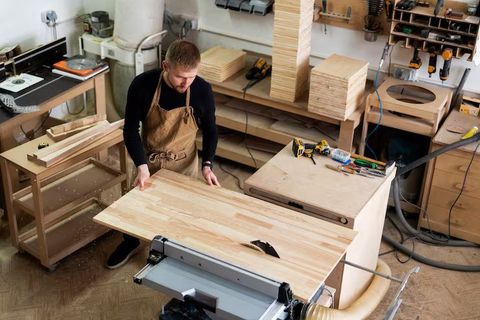
Wood remains one of the most widely used materials in custom furniture because of its natural appearance and versatility. It suits traditional, modern, rustic, and contemporary interiors.
Solid Wood
Solid wood is known for strength and longevity. Popular choices include oak, walnut, maple, teak, and mahogany. These woods are frequently used in luxury custom furniture because they offer attractive grain patterns and premium finishes.
Advantages of solid wood include:
- Strong structural support
- Natural visual appeal
- Long lifespan
- Easy refinishing options
However, solid wood may react to humidity changes if not properly treated.
Engineered Wood
Engineered wood products include plywood, MDF, and particle board. These materials are commonly used in commercial custom furniture because they provide consistency and flexibility in manufacturing.
Here is a comparison of common wood materials:
| Material Type | Common Use | Durability | Appearance | Maintenance |
|---|---|---|---|---|
| Solid Wood | Tables, cabinets, beds | High | Natural grain | Moderate |
| Plywood | Shelving, panels | Medium to High | Smooth finish | Low |
| MDF | Painted furniture | Medium | Uniform surface | Low |
| Particle Board | Lightweight furniture | Low to Medium | Basic finish | Moderate |
Engineered wood works well for projects requiring painted finishes or lightweight construction.
Metal Materials and Their Applications
Metal materials are widely used in modern and industrial-style furniture designs. They provide excellent structural support and pair well with wood, glass, and upholstery.
Steel is one of the strongest options for custom office furniture because it handles heavy daily usage. Aluminum is lighter and resists corrosion, making it suitable for outdoor and lightweight indoor furniture.
Common benefits of metal furniture materials include:
- High durability
- Minimal maintenance
- Modern appearance
- Strong load-bearing capacity
Metal frames are often used in desks, chairs, shelving systems, and hospitality furniture.
Upholstery Materials for Comfort and Style
Custom upholstered furniture depends heavily on fabric and cushioning materials. Upholstery influences both comfort and visual texture.
Fabric Upholstery
Fabric upholstery is available in a wide variety of colors, textures, and patterns. Popular materials include cotton, linen, velvet, polyester blends, and performance fabrics.
Performance fabrics are becoming increasingly common because they resist stains, moisture, and wear. They are frequently used in commercial custom furniture for hotels, lounges, and office seating.
Benefits of fabric upholstery include:
- Comfortable texture
- Broad design variety
- Breathable surface
- Flexible styling options
Different fabrics offer different durability levels depending on weave density and fiber quality.
Leather Upholstery
Leather is often associated with luxury custom furniture due to its sophisticated appearance and long lifespan. Genuine leather develops a natural patina over time, adding character to furniture pieces.
Types of leather commonly used include:
- Full-grain leather
- Top-grain leather
- Bonded leather
- Faux leather
Full-grain leather is considered one of the highest-quality options because it retains the natural texture of the hide.
Glass Materials in Contemporary Furniture
Glass materials add openness and elegance to interiors. They are commonly used in dining tables, office desks, shelves, and decorative furniture components.
Tempered glass is preferred because it is stronger and safer than regular glass. Frosted and tinted glass options also help create modern visual effects.
Advantages of glass furniture components include:
- Clean modern appearance
- Light reflection
- Easy surface cleaning
- Visual spaciousness
Glass is frequently combined with metal or wood frames to improve stability and design balance.
Stone and Marble Elements
Stone surfaces have become increasingly popular in high-end interiors. Marble, granite, quartz, and engineered stone are commonly used for tabletops and decorative furniture accents.
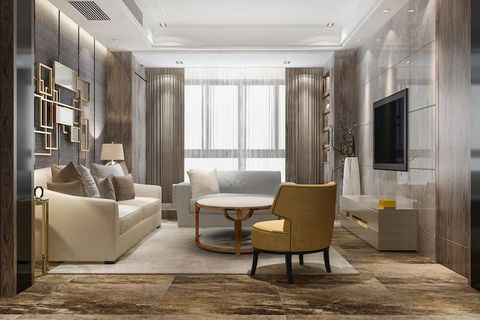
Luxury custom furniture often incorporates marble because of its distinctive patterns and elegant appearance. Stone materials can significantly elevate the visual quality of a space.
Important considerations for stone furniture include:
- Weight and structural support
- Surface sealing requirements
- Scratch resistance
- Heat resistance
Engineered quartz surfaces are popular because they require less maintenance than natural marble.
Sustainable and Eco-Friendly Materials
Sustainability has become a major focus in the furniture industry. Many consumers now prefer environmentally conscious materials that reduce environmental impact.
Custom furniture makers increasingly use:
- Reclaimed wood
- Bamboo
- Recycled metal
- Organic fabrics
- Water-based finishes
Bamboo is especially popular because it grows quickly and offers impressive durability. Reclaimed wood also adds unique character through natural aging and texture variations.
Eco-friendly materials support healthier indoor environments by reducing chemical emissions from finishes and adhesives.
Foam and Cushioning Materials
Comfort in custom upholstered furniture largely depends on internal cushioning materials. Foam density affects both softness and durability.
Common cushioning materials include:
| Cushion Material | Comfort Level | Durability | Common Applications |
|---|---|---|---|
| High-Density Foam | Firm | High | Office seating |
| Memory Foam | Soft | Medium to High | Sofas and chairs |
| Feather Filling | Very Soft | Medium | Luxury seating |
| Polyester Fiber | Medium | Medium | Decorative cushions |
Custom office furniture often uses high-density foam because it maintains shape during prolonged use.
Finishing Materials and Surface Treatments
Furniture finishes protect materials while enhancing appearance. Different finishes create different textures and visual effects.
Common furniture finishes include:
- Matte finishes
- Gloss finishes
- Natural oil finishes
- Lacquer coatings
- Powder coatings for metal
Natural oil finishes are often used on solid wood to highlight grain patterns, while powder coating helps protect metal surfaces from corrosion.
Finishes also influence cleaning requirements and long-term durability.
Choosing Materials for Different Furniture Types
Different furniture categories require different material priorities.
Residential Furniture
Residential furniture often emphasizes comfort, warmth, and aesthetics. Wood, upholstery fabrics, and decorative finishes are commonly used in living rooms and bedrooms.
Homeowners usually prioritize:
- Comfort
- Visual appeal
- Texture variety
- Design flexibility
Commercial and Office Furniture
Commercial custom furniture must withstand heavy use while maintaining a professional appearance. Materials are selected based on durability, maintenance efficiency, and ergonomic performance.
Custom office furniture typically includes:
- Metal frames
- Performance fabrics
- Engineered wood surfaces
- High-density foam
Commercial environments often require materials that are resistant to scratches, stains, and frequent cleaning.
Material Combinations in Modern Furniture Design
Modern furniture design frequently combines multiple materials to create balanced aesthetics and functionality.
Popular combinations include:
- Wood and metal
- Glass and steel
- Leather and wood
- Marble and brass
- Fabric and aluminum
These combinations help designers create contrast, texture, and visual interest. A custom furniture maker may carefully select complementary materials to match interior themes while maintaining structural stability.
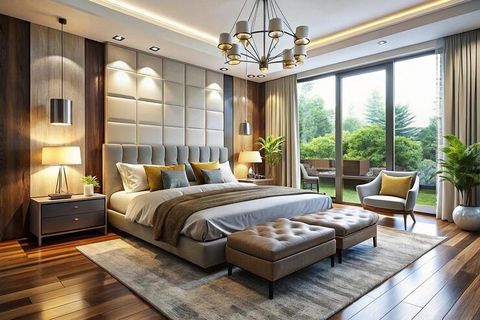
Mixed-material furniture is especially common in contemporary office spaces and luxury residential interiors.
Maintenance Considerations for Furniture Materials
Each furniture material requires different maintenance practices. Understanding maintenance needs helps extend the lifespan of furniture pieces.
General maintenance recommendations include:
- Dust surfaces regularly
- Avoid excessive moisture exposure
- Use protective pads under heavy objects
- Clean upholstery according to fabric type
- Reapply protective coatings when needed
Leather upholstery may require conditioning, while wood furniture benefits from occasional polishing. Proper maintenance preserves appearance and functionality over time.
Trends Influencing Custom Furniture Materials
Interior design trends continue shaping the materials used in custom furniture. Current trends emphasize sustainability, comfort, and natural textures.
Popular trends include:
- Natural wood finishes
- Earth-tone fabrics
- Matte metal surfaces
- Sustainable sourcing
- Multifunctional furniture materials
Technology is also influencing material innovation. Advanced fabrics with stain resistance and antimicrobial properties are increasingly used in commercial custom furniture and healthcare interiors.
Conclusion
Furniture materials play a critical role in determining the durability, comfort, appearance, and functionality of custom furniture. Whether designing custom upholstered furniture for a home or selecting commercial custom furniture for professional spaces, understanding material characteristics helps create practical and visually appealing interiors.
Wood, metal, glass, stone, upholstery fabrics, and sustainable materials each offer unique advantages for different applications. A skilled custom furniture maker carefully evaluates these materials to achieve the right balance between design and performance.
As interior trends continue evolving, material innovation will remain central to the development of custom office furniture and luxury custom furniture that supports both style and long-term usability.