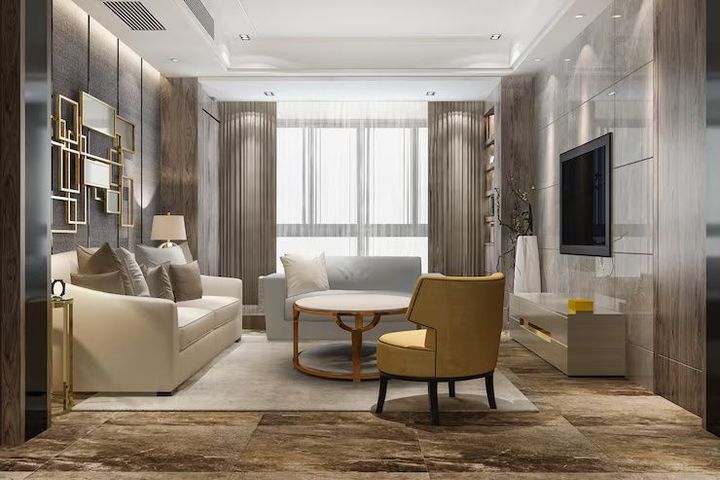
Home Furniture Details and Interior Design Knowledge
Home furniture plays an important role in comfort, organization, and interior design. Items such as a Sofa, Mattress, Wardrobe, Recliner, Dining Table, and Office Chair are commonly used in homes, apartments, and workspaces. Furniture design has changed over time to match modern lifestyles, smaller living spaces, and changing work habits. Today, people often look for furniture that combines function, appearance, durability, and space efficiency.
Context – Understanding Home Furniture and Interior Design
Home Furniture refers to movable items used to support daily activities, improve storage, and create comfortable living spaces. Furniture has existed for centuries and has evolved with architectural styles, cultural traditions, and technology. Earlier furniture designs mainly focused on utility, while modern furniture also emphasizes aesthetics and ergonomic comfort.
Common Types of Home Furniture
| Furniture Type | Main Purpose | Common Placement |
|---|---|---|
| Sofa | Seating and relaxation | Living room |
| Mattress | Sleep support | Bedroom |
| Wardrobe | Clothing and storage | Bedroom |
| Recliner | Adjustable seating comfort | Living room |
| Dining Table | Dining and gatherings | Dining area |
| Office Chair | Work and posture support | Home office |
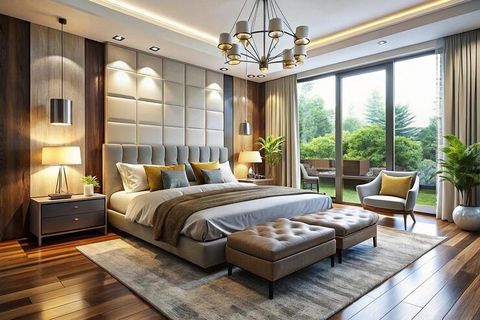
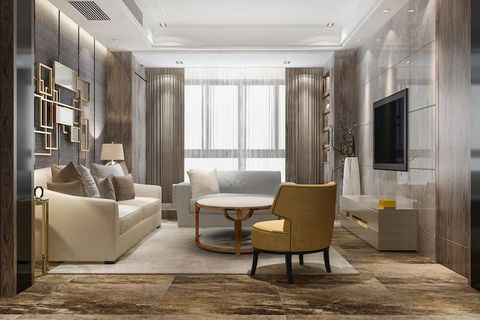
Interior design involves arranging furniture, lighting, colors, and decorations to improve both appearance and usability. Furniture selection often depends on room size, lifestyle needs, and design preferences.
Factors That Influence Furniture Choices
- Room dimensions and layout
- Material durability
- Comfort and ergonomics
- Storage requirements
- Interior design themes
- Maintenance needs
Modern homes increasingly use modular and multi-purpose furniture because of changing urban living patterns.
Importance – Why Home Furniture Matters
Furniture affects daily routines, comfort, productivity, and organization. Properly designed furniture can improve posture, support sleep quality, and help maximize available space. In homes where remote work is common, furniture such as an ergonomic Office Chair and adjustable desk setup has become more important.
Impact on Health and Comfort
A supportive Mattress may help maintain proper spinal alignment during sleep. Similarly, an ergonomic Office Chair may reduce strain during long working hours. Seating products such as Recliner chairs are also designed to provide adjustable comfort for relaxation.
Influence on Interior Design
Furniture contributes significantly to the visual appearance of a room. The shape, material, texture, and arrangement of furniture can create different styles, including:
- Minimalist
- Traditional
- Contemporary
- Scandinavian
- Industrial
- Rustic
A Dining Table often becomes a central element in family spaces, while a Wardrobe helps maintain organization and reduce clutter.
Space Optimization
Urban housing trends have increased interest in furniture that supports compact living. Examples include:
- Foldable tables
- Storage beds
- Wall-mounted shelves
- Modular sofas
- Expandable dining furniture
These designs help improve usability in smaller homes and apartments.
Recent Updates – Trends and Developments from 2024–2026
The furniture and interior design industry has seen major developments between 2024 and 2026. These trends reflect changes in technology, sustainability awareness, and flexible living arrangements.
Smart Furniture Integration
Smart furniture has become more common in modern homes. Some furniture products now include:
- Wireless charging surfaces
- Built-in lighting
- USB charging ports
- Adjustable smart controls
- Sensor-based reclining systems
Technology integration is especially visible in Recliner seating and Office Chair designs.
Sustainable Materials
Many manufacturers now focus on environmentally conscious materials. Common sustainable materials include:
- Bamboo
- Recycled wood
- Engineered wood panels
- Recycled metals
- Organic fabric blends
Furniture production methods are also changing to reduce material waste and energy use.
Growth of Modular Furniture
Modular Home Furniture allows users to rearrange or expand furniture sections based on room requirements. This trend has become popular in apartments and flexible workspaces.
Examples include:
- Sectional Sofa arrangements
- Stackable storage systems
- Adjustable Wardrobe compartments
- Expandable Dining Table systems
Hybrid Home Office Designs
Remote and hybrid work models continue to influence interior layouts. Many homes now include dedicated work areas with ergonomic Office Chair setups, compact desks, and improved lighting arrangements.
Neutral and Natural Interior Styles
Interior design trends from 2024–2026 show increased use of:
- Earth-tone colors
- Natural textures
- Curved furniture shapes
- Soft lighting
- Open layouts
These styles focus on comfort and simplicity rather than excessive decoration.
Laws or Policies – Furniture Standards and Regulations
Furniture products are often regulated through safety, environmental, and manufacturing standards. Different countries may apply different requirements for materials, labeling, and fire resistance.
Furniture Safety Standards
Several regulations help improve consumer safety. Common standards may include:
| Regulation Area | Purpose |
| Fire resistance standards | Reduce fire hazards |
| Material safety rules | Limit harmful chemicals |
| Stability testing | Prevent furniture tipping |
| Ergonomic standards | Improve posture support |
| Labeling requirements | Provide product information |
Environmental Regulations
Many regions now encourage sustainable furniture manufacturing through environmental guidelines. These may focus on:
- Reduced chemical emissions
- Responsible wood sourcing
- Recycling practices
- Waste management
- Packaging reduction
Workplace Ergonomic Guidelines
Office environments often follow ergonomic recommendations for seating and workstation arrangements. Proper Office Chair adjustments may help improve posture and reduce physical strain.
Consumer Protection Policies
Furniture manufacturers may also need to follow regulations related to:
- Product durability information
- Warranty disclosure
- Material transparency
- Safety testing documentation
Policies vary depending on the country and product category.
Tools and Resources – Useful Platforms and Planning Methods
Several digital tools and platforms help people plan furniture arrangements and interior layouts more efficiently.
Room Planning Tools
Many online room planners allow users to visualize furniture placement before arranging a room. These tools may include:
- 2D floor planning
- 3D room visualization
- Space measurement guides
- Furniture dimension comparison
Interior Design Applications
Interior design software is commonly used for:
- Color matching
- Layout planning
- Lighting simulation
- Furniture arrangement
These tools help homeowners and designers create balanced room layouts.
Measurement and Ergonomic Resources
Useful resources may include:
- Mattress size charts
- Dining Table spacing guides
- Ergonomic seating recommendations
- Wardrobe storage planners
Home Furniture Maintenance Resources
Educational platforms often provide guidance on:
- Wood furniture cleaning
- Fabric care methods
- Mattress rotation schedules
- Leather Recliner maintenance
- Office Chair adjustment techniques
Proper maintenance may help extend furniture usability and appearance.
FAQs
What is the difference between modular and traditional furniture?
Modular furniture consists of adjustable or movable sections that can be rearranged easily. Traditional furniture usually has a fixed structure and layout.
Why is ergonomic furniture important?
Ergonomic furniture is designed to support comfort and posture. An ergonomic Office Chair may help reduce physical strain during long sitting periods.
How often should a Mattress be replaced?
Replacement timing depends on material quality and usage. Many mattresses are commonly replaced after several years when comfort or support decreases.
What materials are commonly used in modern Home Furniture?
Common materials include wood, engineered wood, metal, glass, fabric, foam, and leather alternatives.
How can a small room fit more furniture effectively?
Space-saving layouts, modular furniture, vertical storage, and foldable furniture designs may improve room functionality.
Conclusion
Home Furniture continues to evolve alongside changes in technology, interior design, and living habits. Items such as a Sofa, Mattress, Wardrobe, Recliner, Dining Table, and Office Chair serve both practical and aesthetic purposes in modern homes. Recent developments between 2024 and 2026 show increased interest in ergonomic comfort, sustainability, and modular layouts. Understanding furniture materials, regulations, and design principles may help individuals create more organized and comfortable living environments.