Jump to a Chapter

Luxury Massage Chair Buying Guide: Features, Technologies, and Wellness Insights Explained

Luxury Massage Chair Buying Guide: Features, Technologies, and Wellness Insights Explained

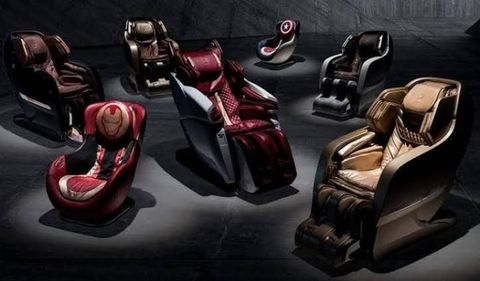
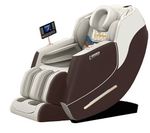
Luxury massage chairs are advanced seating systems designed to combine ergonomic engineering, automated massage technologies, and user-focused comfort features. These chairs use mechanical components, sensors, software controls, and customizable settings to simulate various massage techniques while supporting relaxation and comfort.


The concept of automated massage seating emerged from efforts to integrate wellness technologies into residential, hospitality, and recreational environments. Over time, advances in electronics, artificial intelligence, robotics, and ergonomic design have transformed massage chairs into sophisticated technology products.

Today, luxury massage chairs are often discussed within the broader categories of smart home technology, wellness innovation, ergonomic furniture, and connected living solutions.

Why Luxury Massage Chairs Matter Today

Modern lifestyles often involve prolonged sitting, frequent travel, extended screen time, and busy daily schedules. As a result, interest in comfort-focused technologies and ergonomic solutions has increased across households, hotels, wellness centers, and executive environments.

Luxury massage chairs contribute to discussions about:

  • Ergonomic seating technology
  • Smart wellness products
  • Home automation integration
  • Hospitality amenities
  • User comfort innovation
  • Digital wellness trends
  • Connected lifestyle technologies
  • Interior design enhancements

Their growing popularity reflects broader interest in technology-driven comfort solutions.

Evolution of Massage Chair Technology

Massage chair development has progressed significantly over the past several decades.

GenerationKey Development
Early ModelsBasic vibration functions
Mechanical SystemsRoller-based massage mechanisms
Electronic ControlsProgram customization features
Smart SystemsSensor-driven adjustments
AI-Enhanced PlatformsPersonalized user experiences

These advancements have expanded the functionality and adaptability of modern massage chairs.

Core Technologies Used in Luxury Massage Chairs

Several technologies work together to create the overall massage experience.

Common components include:

  • Motorized roller systems
  • Air compression technology
  • Body scanning sensors
  • Heating elements
  • Position adjustment motors
  • Digital control systems
  • Connectivity modules
  • User profile management software

Each component contributes to the chair’s overall operation and user customization options.

Understanding Roller Track Systems

Roller tracks guide massage mechanisms along specific pathways.

Common track designs include:

Track TypeGeneral Coverage Area
S-TrackFollows spinal curvature
L-TrackExtends into lower body areas
SL-TrackCombines S and L configurations

Track design influences how massage movements are distributed throughout the chair.

Air Compression Technology

Air compression systems use inflatable airbags positioned throughout various sections of the chair.

These systems may support:

  • Shoulder compression
  • Arm support functions
  • Hip area pressure adjustments
  • Leg compression sequences
  • Foot massage programs

Air compression technology is commonly combined with roller systems to create multi-dimensional massage experiences.

Body Scanning and Sensor Technologies

Many luxury massage chairs utilize intelligent sensors to identify user positioning.

Body scanning systems may help:

  • Measure user height
  • Detect shoulder locations
  • Identify seating posture
  • Adjust massage pathways
  • Personalize session settings

These technologies contribute to more individualized operation.

Zero-Gravity Positioning Explained

Zero-gravity positioning is one of the most recognized features within premium massage chair categories.

Inspired by seating concepts used in aerospace applications, this position aims to:

  • Distribute body weight more evenly
  • Enhance seating comfort
  • Reduce concentrated pressure points
  • Support relaxation-oriented positioning

Many modern chairs include multiple recline configurations based on this concept.

Smart Controls and Digital Features

Digital transformation has influenced wellness products across numerous industries.

Modern massage chairs may include:

  • Touchscreen interfaces
  • Mobile app controls
  • Voice-command integration
  • Wireless connectivity
  • Personalized user profiles
  • Automated program selection
  • Software update capabilities

These features allow users to customize and manage settings more conveniently.

Artificial Intelligence and Personalized Experiences

Artificial intelligence is becoming increasingly relevant within smart wellness technologies.

Potential AI-supported capabilities include:

  • User preference recognition
  • Session history analysis
  • Adaptive massage recommendations
  • Automated intensity adjustments
  • Personalized program creation

AI technologies continue evolving as manufacturers explore enhanced customization opportunities.

Heating and Comfort Technologies

Integrated heating systems are commonly incorporated into luxury massage chairs.

These systems may be designed to provide:

  • Localized warmth
  • Adjustable temperature settings
  • Multi-zone heating functions
  • User-controlled operation

Heating technologies are frequently combined with other comfort-focused features.

Materials and Design Considerations

Luxury massage chairs often incorporate premium materials and advanced design principles.

Common design considerations include:

  • Ergonomic support
  • Durable construction
  • Upholstery materials
  • Space-saving mechanisms
  • Noise reduction technologies
  • Modern aesthetic styling

Design elements contribute both to functionality and overall user experience.

Recent Industry Trends (2025–2026)

The wellness technology industry continues to experience innovation and digital transformation.

Recent developments include:

  • Enhanced AI personalization
  • Improved body scanning accuracy
  • Advanced voice assistant integration
  • Expanded smart home compatibility
  • Energy-efficient operation systems
  • Improved ergonomic engineering
  • Advanced sensor technologies
  • Connected wellness ecosystems

These trends reflect broader developments across consumer technology and smart living environments.

Examples of Industry Participants

The massage chair and wellness technology industry includes numerous manufacturers involved in product design, engineering, and innovation.

Examples frequently referenced in industry discussions include:

  • Panasonic
  • Human Touch
  • Fujiiryoki
  • Osaki
  • Infinity Massage Chairs

These organizations are mentioned solely as examples of industry participants and not as recommendations, rankings, endorsements, comparisons, or purchasing guidance.

Safety Standards and Regulatory Considerations

Massage chairs may be subject to various product safety and manufacturing regulations depending on the jurisdiction.

Common regulatory areas include:

  • Electrical safety standards
  • Consumer product regulations
  • Manufacturing quality requirements
  • Product certification programs
  • Electromagnetic compatibility standards
  • Environmental compliance guidelines

Compliance frameworks help support product safety and reliability.

Tools and Resources

Individuals interested in learning more about massage chair technologies may find the following resources useful:

  • Ergonomic design publications
  • Consumer product safety resources
  • Smart home technology guides
  • Wellness technology journals
  • Product specification databases
  • User manual repositories
  • Interior design references
  • Accessibility and comfort research materials

These resources support educational exploration of wellness technologies.

Overview of Common Massage Chair Technologies

TechnologyFunction
Body ScanningUser positioning detection
Roller MechanismsAutomated massage movements
Air CompressionPressure-based massage actions
Heating SystemsWarmth and comfort features
Zero-Gravity ReclineEnhanced seating position
Smart ControlsPersonalized operation

Together, these technologies form the foundation of modern luxury massage chair systems.

Frequently Asked Questions

What is a luxury massage chair?

A luxury massage chair is an advanced seating system that combines ergonomic design, automated massage technologies, sensors, and digital controls to create customizable comfort experiences.

How does body scanning technology work?

Body scanning uses sensors to measure user positioning and physical dimensions, helping the chair adjust massage functions more accurately.

What is zero-gravity positioning?

Zero-gravity positioning refers to a reclined seating posture designed to distribute body weight more evenly and enhance comfort.

Can massage chairs connect with smart devices?

Many modern models include connectivity features such as mobile applications, Bluetooth technology, and voice-command integration.

Are massage chairs regulated for safety?

Depending on the country, massage chairs may be subject to electrical safety regulations, consumer product standards, and manufacturing compliance requirements.

Conclusion

Luxury massage chairs represent the convergence of ergonomic engineering, smart technology, automation, and wellness-focused design. Through innovations such as body scanning systems, AI-assisted personalization, air compression technology, digital controls, and advanced seating configurations, these products illustrate how modern technology continues to influence comfort and lifestyle environments.

As developments in artificial intelligence, sensor systems, connected devices, and wellness technologies continue to progress, massage chair innovation is expected to evolve further. Understanding the technologies, features, and industry trends behind these products provides valuable insight into the growing field of smart wellness and ergonomic living solutions.

Disclaimer

This article is provided solely for informational and educational purposes. It does not promote, endorse, recommend, rank, compare, market, or encourage the acquisition or use of any massage chair, company, manufacturer, or product. Company names are mentioned only as examples of organizations participating in the wellness technology industry. This content should not be considered medical, therapeutic, healthcare, legal, financial, ergonomic, or professional advice. Readers should consult qualified professionals regarding specific health, safety, product, or wellness-related considerations.

author-image

Ravi Shankar Maurya

We create purposeful content that speaks, resonates, and drives action.

June 05, 2026 . 7 min read