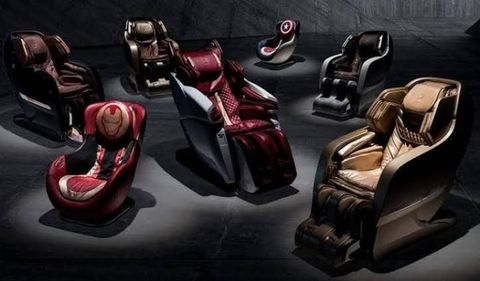
The growing range of technologies can make it difficult to understand which features are genuinely useful and which primarily add complexity. Current buying guides commonly identify roller technology, track design, body scanning, air compression, zero-gravity positioning, fit, and usability as important areas to evaluate.
This guide explains the major technologies found in luxury massage chairs, their potential wellness applications, practical selection factors, maintenance considerations, and important safety points.
What Is a Luxury Massage Chair?
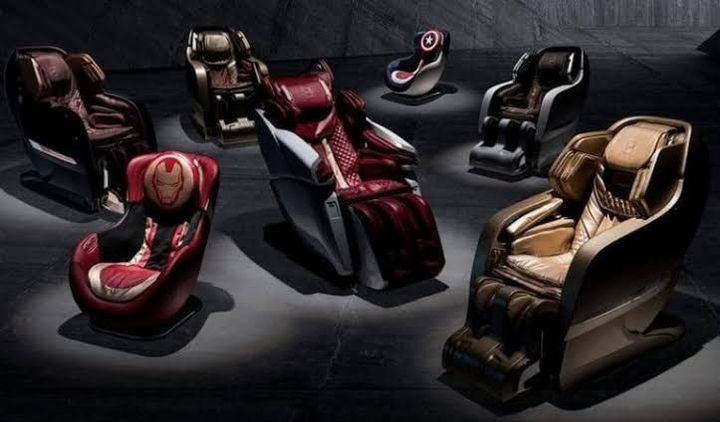
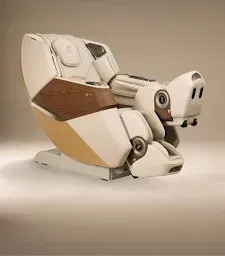
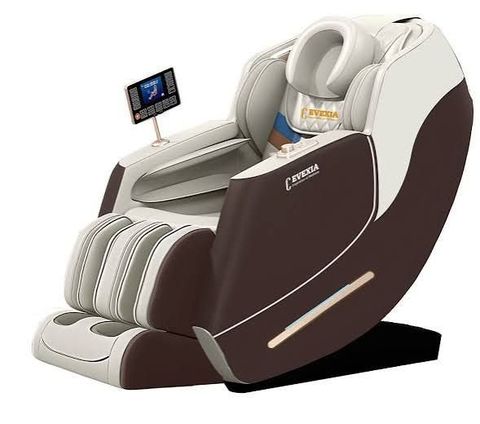
A luxury massage chair is an advanced motorized chair designed to reproduce selected massage movements through mechanical rollers, airbags, vibration systems, heat, and adjustable positioning.
Compared with simpler massage seating, advanced systems may provide greater customization through:
-
Multiple massage techniques
-
Extended roller tracks
-
3D or 4D roller movement
-
Body scanning
-
Air compression
-
Zero-gravity recline
-
Foot and calf massage
-
Heat zones
-
Preset programs
-
Manual controls
-
Smartphone or voice controls
The exact combination differs considerably between models.
Understanding Massage Roller Technology
The roller system is one of the most important components because it determines how mechanical massage movement is delivered.
2D Rollers
2D systems generally move rollers along two primary directions, such as vertically and horizontally.
They can provide basic massage patterns and may be suitable for users who prefer simpler mechanical stimulation.
3D Rollers
3D systems add an additional movement dimension, allowing rollers to move inward and outward.
This can provide greater control over massage depth and pressure.
4D Rollers
4D systems generally add greater variation in movement speed and rhythm alongside multi-directional roller movement.
The terminology is not completely standardized across manufacturers, so specifications should be examined carefully rather than assuming that a higher number automatically means a better experience. Current buying guides similarly emphasize that overall engineering, fit, and roller quality matter alongside the nominal 3D or 4D label.
Understanding Massage Track Systems
The track determines the path followed by the massage rollers.
S-Track
An S-track follows the natural curve of the spine.
It generally concentrates massage movement around the back and neck regions.
L-Track
An L-track extends the roller path farther downward toward areas around the glutes and upper thighs.
SL-Track
An SL-track combines an S-shaped upper path with an extended lower section.
This can provide broader coverage than a conventional S-track. However, track length should still be considered alongside actual roller movement, body fit, and chair geometry.
Body Scanning Technology
Body scanning uses sensors to estimate aspects of the user's body position before or during a massage program.
Depending on the system, scanning may help identify:
-
Shoulder position
-
Spine location
-
Body height
-
Pressure points
-
Leg positioning
The purpose is generally to improve roller positioning and personalization.
Body scanning should not be confused with medical diagnosis. It is primarily a positioning and customization technology.
Air Compression Massage
Many advanced chairs use airbags positioned around different parts of the body.
Possible airbag locations include:
-
Shoulders
-
Arms
-
Hands
-
Hips
-
Calves
-
Feet
Airbags inflate and release in programmed sequences, creating compression sensations that complement mechanical roller movements.
The number of airbags alone does not determine overall quality. Placement, pressure control, timing, and how the system works with the roller mechanism are also important.
Zero-Gravity Recline
Zero-gravity positioning places the body into a reclined posture with the legs elevated.
The concept is associated with reducing the feeling of body weight and creating a more supported reclined position. Some massage-chair systems provide multiple recline positions.
The feature can also influence how the body contacts the massage rollers, potentially changing the perceived intensity of the massage.
Heat Technology
Heat is commonly incorporated into premium massage chairs.
Heating zones may be located around:
-
Lower back
-
Seat
-
Calves
-
Feet
-
Shoulders
Heat can create a warming and relaxing sensation, but it should not be interpreted as a treatment for a medical condition.
Users should follow the chair's temperature settings and operating instructions.
Foot and Calf Massage
Foot and calf systems can use combinations of:
-
Air compression
-
Mechanical rollers
-
Kneading mechanisms
-
Foot arches
-
Calf chambers
This can be particularly relevant for people who prefer a full-body massage experience rather than back-focused movement.
The physical dimensions of the foot and calf compartments should also be checked because fit can vary significantly between users.
Stretching Programs
Some advanced massage chairs incorporate automated stretching sequences.
These programs may combine:
-
Reclining
-
Leg movement
-
Air compression
-
Roller massage
Stretching programs should be used according to the manufacturer's instructions and should not be considered equivalent to professionally supervised physical therapy.
Preset Massage Programs
Luxury chairs can provide multiple automatic programs designed around different experiences.
Examples include:
-
Relaxation
-
Full-body
-
Neck and shoulder
-
Back
-
Stretching
-
Recovery
-
Sleep-oriented programs
Preset programs can simplify operation, particularly for users who do not want to manually adjust individual settings.
Manual Controls
Manual modes can provide greater control over:
-
Massage area
-
Roller intensity
-
Speed
-
Technique
-
Airbag pressure
-
Heat
-
Recline position
A good control interface should make these settings easy to understand.
Smart Controls and Connectivity
Some advanced massage chairs incorporate digital controls such as:
-
Touchscreen remotes
-
Smartphone applications
-
Bluetooth
-
Voice commands
-
Preset memory
-
User profiles
Technology can improve convenience, but additional features should not distract from the fundamental quality of the chair's mechanical system.
AI in Massage Chairs
The term “AI” is increasingly used in massage-chair technology.
Depending on the system, AI-related functions may involve:
-
Personalized program selection
-
Body-position analysis
-
User preferences
-
Automated adjustments
-
Voice interaction
These capabilities should be viewed as personalization and automation features rather than medical intelligence.
Research into robotic massage is also exploring how computer vision, language models, and robotic control can be combined to reproduce more adaptive massage movements. These technologies remain an area of active research rather than a standard feature across consumer chairs.
Ergonomics and Body Fit
One of the most important considerations is whether the chair fits the user's body.
Relevant factors include:
-
Height range
-
Shoulder position
-
Leg length
-
Seat width
-
Foot size
-
Calf dimensions
-
Maximum supported weight
A sophisticated chair may provide a poor experience if the roller positions and body compartments do not accommodate the user properly.
Current buying guidance similarly emphasizes fit and room dimensions alongside technology specifications.
Room and Space Requirements
Luxury massage chairs are often large pieces of furniture.
Before installation, consider:
-
Chair width
-
Chair height
-
Fully reclined length
-
Required wall clearance
-
Doorway dimensions
-
Stair access
-
Elevator dimensions
-
Floor space
Some models use space-saving recline mechanisms that reduce the amount of clearance required behind the chair.
Interior Design Considerations
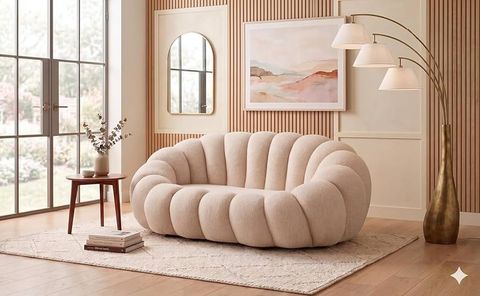
Because massage chairs are visually substantial, they can influence the appearance of a room.
They can be incorporated into:
-
Home wellness rooms
-
Bedrooms
-
Living rooms
-
Private relaxation spaces
-
Fitness rooms
-
Hospitality environments
Neutral upholstery, integrated controls, compact profiles, and contemporary forms can make the chair easier to incorporate into modern interiors.
Wellness Applications
Massage chairs are primarily designed for relaxation and massage experiences.
Potential wellness-related uses include:
-
Relaxation after a long day
-
Temporary relief from muscle tension
-
General comfort
-
Post-exercise relaxation
-
Recreational wellness routines
Research and expert reviews have reported potential benefits related to relaxation and muscle tension, but massage-chair use should not be treated as a replacement for medical diagnosis or professional healthcare.
Massage Chairs and Exercise Recovery
Some users incorporate massage chairs into post-exercise routines.
A recent buying guide cites research indicating that massage can reduce perceived muscle soreness after exercise, although evidence and outcomes depend on the massage method and circumstances.
Massage should nevertheless be considered complementary to appropriate exercise recovery practices rather than a substitute for medical assessment when an injury is suspected.
Safety Considerations
Massage chairs contain moving rollers, motors, reclining mechanisms, heat sources, and air-compression systems.
Users should:
-
Read the manufacturer's instructions
-
Follow recommended operating times
-
Use appropriate intensity
-
Avoid forcing body parts into restricted areas
-
Keep children away from moving mechanisms
-
Inspect the chair for damage
-
Follow electrical-safety instructions
People with certain medical conditions, recent injuries, implanted devices, pregnancy-related concerns, or other health considerations should consult an appropriate healthcare professional before using a massage chair. Expert health guidance also recommends discussing massage-chair use with healthcare providers in situations involving particular medical conditions or injuries.
Massage Intensity
More intense does not necessarily mean better.
Users can have different preferences for:
-
Gentle pressure
-
Moderate pressure
-
Deep mechanical movement
-
Air compression
-
Stretching
-
Heat
A chair with adjustable intensity can accommodate different users and preferences.
Noise Levels
Motors, rollers, air pumps, and reclining mechanisms can generate noise.
Noise may be particularly relevant when the chair is placed in:
-
Bedrooms
-
Home offices
-
Shared living spaces
-
Meditation areas
When evaluating a chair, operating noise should be considered alongside massage performance.
Upholstery and Materials
Common upholstery materials include synthetic leather and other engineered coverings.
When evaluating materials, consider:
-
Surface durability
-
Cleaning requirements
-
Heat resistance
-
Breathability
-
Stitching
-
General maintenance
Material quality should be evaluated together with frame construction and mechanical components rather than independently.
Maintenance
Regular maintenance can help preserve performance.
Potential maintenance activities include:
-
Surface cleaning
-
Inspection of moving components
-
Checking electrical connections
-
Removing debris
-
Inspecting upholstery
-
Following manufacturer maintenance schedules
Users should avoid applying cleaning chemicals or lubricants that are not approved for the chair.
Warranty and Technical Support
Warranty coverage can vary substantially.
Before selecting a model, review:
-
Warranty duration
-
Covered components
-
Electrical coverage
-
Motor coverage
-
Upholstery coverage
-
Repair procedures
-
Replacement-part availability
-
Technical support
A long warranty is useful only when its terms and exclusions are understood.
Comparing Luxury Massage Chairs
Instead of focusing on the number of features, consider a priority hierarchy.
First: Body Fit
Check whether the chair accommodates the user's height, weight, shoulder position, leg length, and foot dimensions.
Second: Roller and Track System
Determine whether the movement and coverage match the preferred massage experience.
Third: Core Comfort Features
Evaluate:
-
Recline
-
Air compression
-
Foot massage
-
Heat
-
Cushioning
Fourth: Smart Features
Consider:
-
App controls
-
Voice commands
-
Bluetooth
-
User profiles
-
Automated programs
Fifth: Maintenance and Support
Review:
-
Warranty
-
Maintenance requirements
-
Service arrangements
-
Parts availability
-
Installation requirements
This approach prevents secondary technology from overshadowing the fundamental fit and mechanical design of the chair.
Common Selection Mistakes
Choosing Based Only on Feature Count
A chair with more features is not automatically more suitable.
Ignoring Body Dimensions
Poor fit can affect roller positioning and overall comfort.
Forgetting Reclined Dimensions
A chair may fit when upright but require significantly more space when reclined.
Assuming 4D Is Always Better
Roller technology should be evaluated according to movement quality, adjustability, comfort, and personal preference.
Ignoring the Remote
A complicated control interface can make advanced features difficult to use.
Overlooking Warranty Terms
The length and scope of warranty coverage can be more important than headline specifications.
Treating Wellness Features as Medical Treatment
Massage-chair functions are designed for massage and relaxation and should not automatically be interpreted as medical treatment.
Future of Luxury Massage Chairs
Massage-chair technology is likely to become increasingly personalized and connected.
Potential developments include:
-
More sophisticated body scanning
-
Adaptive massage programs
-
AI-assisted personalization
-
Advanced robotic movement
-
Improved pressure sensing
-
Better voice interfaces
-
Connected wellness applications
-
More precise user profiles
-
Improved space-efficient designs
Research into robotic massage is already exploring systems that combine machine vision, language understanding, and robotic control for more adaptive massage experiences.
Frequently Asked Questions
What features are important in a luxury massage chair?
Important features can include roller technology, track design, body scanning, adjustable intensity, air compression, recline, heat, foot massage, controls, body fit, and warranty coverage.
What is the difference between 3D and 4D massage?
3D systems generally add inward and outward roller movement, while 4D systems typically add greater variation in movement speed and rhythm. Terminology can vary between manufacturers.
Is an SL-track better than an S-track?
An SL-track generally provides a longer roller path than an S-track, extending farther toward the lower body. Whether that is preferable depends on the user's desired coverage and body fit.
Is zero-gravity positioning useful?
Zero-gravity recline can provide a supported, deeply reclined posture and can change how the body interacts with the massage mechanism. Its usefulness ultimately depends on individual comfort and preference.
Does a massage chair provide medical treatment?
A massage chair is primarily a wellness and relaxation device. Its functions should not be considered a substitute for diagnosis or treatment from a qualified healthcare professional.
What should be checked before placing a massage chair at home?
Check the chair's dimensions, reclined footprint, doorway access, floor space, electrical requirements, user-size range, and maintenance requirements.
Conclusion
Luxury massage chairs have evolved from relatively simple vibrating seats into sophisticated wellness devices combining mechanical rollers, air compression, heat, reclining systems, body scanning, foot massage, and digital controls.
The most important consideration is not necessarily the number of available features. Body fit, roller movement, track design, comfort, usability, and overall mechanical quality should generally be evaluated first. Current buying guidance consistently highlights these factors as central to comparing advanced massage chairs.
Technologies such as 3D and 4D rollers can provide increasingly customizable massage movement, while SL-track systems can extend roller coverage. Body scanning can personalize positioning, and air compression, heat, zero-gravity recline, and foot massage can expand the overall experience.
Smart controls and AI-assisted personalization are also becoming more visible in the category. At the same time, emerging research into robotic massage suggests that future systems may become more adaptive through computer vision, intelligent control, and personalized movement.
For anyone evaluating a luxury massage chair, the most useful approach is to look beyond specifications and consider fit, intended use, comfort preferences, available space, safety, maintenance, warranty terms, and the practical value of each technology.
Disclaimer
This article is intended solely for informational and educational purposes. It does not provide medical, therapeutic, fitness, or professional healthcare advice. It does not endorse, recommend, compare, rank, review, market, or promote any specific massage-chair manufacturer, retailer, model, or wellness provider. Massage-chair features and terminology can vary between manufacturers. Massage chairs are intended primarily for relaxation and massage experiences and should not be considered a substitute for professional medical diagnosis or treatment. Individuals with medical conditions, injuries, pregnancy-related concerns, or other health considerations should consult an appropriately qualified healthcare professional before using massage equipment. Always follow the manufacturer's operating, safety, maintenance, and electrical instructions.