Table of Contents

Luxury Massage Chairs Explained: Features, Comfort Technologies, and Smart Wellness Insights

Luxury Massage Chairs Explained: Features, Comfort Technologies, and Smart Wellness Insights

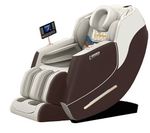
As consumers increasingly prioritize comfort, convenience, and wellness-focused lifestyles, luxury massage chairs have emerged as a popular category within the home wellness and relaxation market. Modern massage chairs combine mechanical engineering, ergonomic design, intelligent software, and advanced comfort technologies to create personalized relaxation experiences.

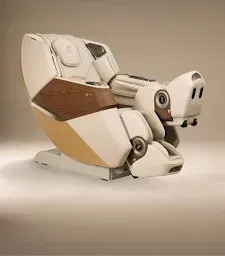
Today's premium massage chairs often integrate multiple massage techniques, body-scanning systems, smart controls, and customizable settings designed to accommodate different user preferences. These products represent the convergence of furniture design, wellness technology, and smart-home innovation.

This article explores luxury massage chair concepts, technologies, comfort features, and industry developments from an educational perspective. It does not endorse, recommend, compare, rank, review, or promote any manufacturer, product, or wellness service.

Understanding Luxury Massage Chairs

Luxury massage chairs are advanced seating systems designed to provide automated massage experiences through mechanical components, sensors, and programmable functions.

Common characteristics may include:

  • Full-body massage systems
  • Adjustable settings
  • Ergonomic seating designs
  • Multiple massage techniques
  • Smart control features
  • Personalized user experiences

Features and capabilities vary significantly across product categories and manufacturers.

The Evolution of Massage Chair Technology

Massage chairs have evolved considerably from early vibration-based designs.

Modern developments include:

  • Intelligent body scanning
  • AI-assisted customization
  • Multi-dimensional massage systems
  • Smart connectivity
  • Advanced recline mechanisms
  • Personalized wellness settings

Technological innovation continues shaping the premium wellness equipment market.

Ergonomic Design Principles

Ergonomics plays a major role in massage chair development.

Design considerations often include:

  • Body alignment support
  • Pressure distribution
  • Seating comfort
  • Posture accommodation
  • User adaptability

Effective ergonomic design aims to enhance comfort during extended use.

Body Scanning Technology

Many luxury massage chairs incorporate body-scanning systems.

These technologies may help identify:

  • Shoulder position
  • Body dimensions
  • User height variations
  • Massage point locations
  • Seating alignment

Body-scanning functions are intended to customize massage delivery according to individual user characteristics.

Understanding Massage Mechanisms

Massage chairs use mechanical systems to simulate various massage movements.

Common techniques may include:

  • Kneading motions
  • Rolling movements
  • Tapping actions
  • Compression functions
  • Combination massage patterns

The range of available techniques depends on system design and programming.

2D, 3D, and 4D Massage Systems

Massage chair technologies are often categorized by movement capabilities.

2D Systems

Typically move vertically and horizontally along predefined tracks.

3D Systems

May allow massage rollers to extend outward for additional depth adjustment.

4D Systems

Often incorporate speed variation and more dynamic movement control.

Manufacturers may use different definitions and terminology for these technologies.

SL-Track and Extended Massage Rails

Track systems determine how massage mechanisms travel throughout the chair.

Common designs include:

  • S-Track systems
  • L-Track systems
  • Hybrid track configurations

Extended track designs may allow massage coverage across larger areas of the body.

Zero Gravity Recline Technology

Zero gravity positioning is a widely discussed feature in premium massage chairs.

The concept generally involves:

  • Reclined seating positions
  • Balanced body support
  • Reduced pressure distribution
  • Enhanced relaxation experiences

The term is inspired by body positioning concepts associated with reduced gravitational stress.

Air Compression Massage Systems

Many luxury chairs utilize airbag-based massage technologies.

Potential applications include:

  • Shoulder compression
  • Arm massage
  • Leg massage
  • Foot massage
  • Full-body pressure sequences

Air compression systems often complement roller-based massage mechanisms.

Heat Therapy Features

Heating technologies are increasingly integrated into massage chair designs.

Examples may include:

  • Back warming systems
  • Lumbar heating functions
  • Relaxation-focused temperature features

Heating systems are generally intended to enhance comfort during use.

Smart Control Technologies

Modern massage chairs increasingly incorporate intelligent control systems.

Examples may include:

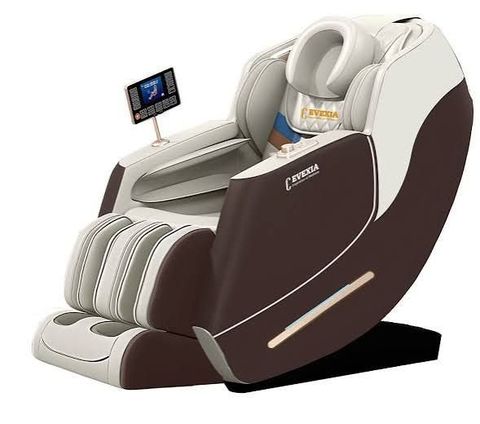
  • Touchscreen interfaces
  • Mobile applications
  • Voice control capabilities
  • Personalized user profiles
  • Automated programs

Smart controls contribute to customization and convenience.

Artificial Intelligence and Personalization

AI technologies are becoming more common within premium wellness products.

Potential functions may include:

  • Usage pattern analysis
  • Personalized program recommendations
  • Adaptive massage settings
  • User preference learning
  • Automated adjustments

AI-driven features aim to improve personalization over time.

Connectivity and Smart Home Integration

Some advanced massage chairs support connected-device functionality.

Examples may include:

  • Smartphone integration
  • Wireless controls
  • Software updates
  • Smart-home compatibility
  • User account synchronization

Connectivity features vary according to product ecosystems and technical specifications.

Comfort and User Experience

Luxury massage chairs often emphasize comprehensive comfort experiences.

Areas of focus may include:

  • Cushioning quality
  • Seating materials
  • Noise reduction
  • Smooth operation
  • User-friendly interfaces

Comfort considerations frequently influence product design decisions.

Wellness and Lifestyle Applications

Massage chairs are commonly discussed within broader wellness and relaxation contexts.

Potential areas of use may include:

  • Home relaxation
  • Recovery routines
  • Comfort-focused environments
  • Personal wellness spaces
  • Lifestyle enhancement

Individual experiences and preferences vary significantly.

Design and Interior Integration

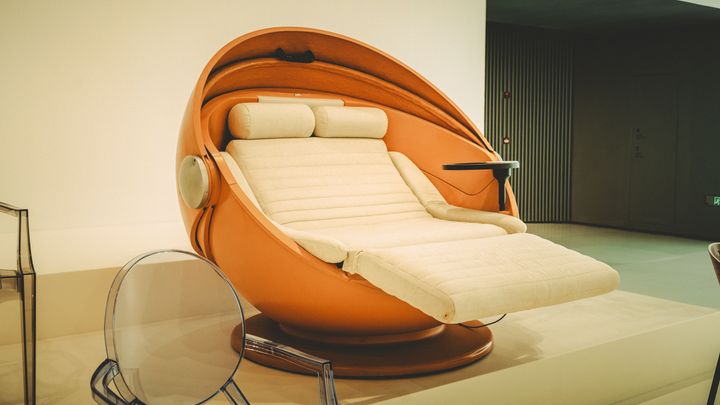
Premium massage chairs increasingly incorporate furniture-inspired aesthetics.

Design considerations may include:

  • Modern styling
  • Material selection
  • Space efficiency
  • Home décor compatibility
  • Visual appeal

Manufacturers often seek to balance functionality with contemporary design.

Wellness Technology Trends in 2026

Several developments continue shaping the luxury massage chair market.

Current trends include:

  • AI-assisted personalization
  • Enhanced body-scanning systems
  • Smart-home integration
  • Advanced ergonomic engineering
  • Quiet-operation technologies
  • Premium material applications
  • Connected wellness ecosystems
  • Adaptive comfort innovations

These trends reflect broader advancements across consumer wellness technologies.

Frequently Asked Questions

What is a luxury massage chair?

A luxury massage chair is an advanced seating system designed to provide automated massage experiences through integrated mechanical and digital technologies.

What does body-scanning technology do?

Body-scanning systems may help identify user dimensions and seating positions to support personalized massage settings.

What is zero gravity positioning?

Zero gravity recline refers to a seating position intended to distribute body weight more evenly and enhance relaxation.

How do air compression systems work?

Air compression technologies use inflatable airbags to apply controlled pressure to different areas of the body.

Why are smart features becoming common in massage chairs?

Smart technologies support customization, convenience, personalization, and connected-device functionality.

Conclusion

Luxury massage chairs represent a growing intersection of wellness technology, ergonomic engineering, intelligent software, and home comfort design. Through innovations such as body scanning, AI-assisted personalization, zero-gravity positioning, air compression systems, and smart connectivity, modern massage chairs continue evolving to meet changing consumer expectations.

As wellness technology advances through 2026 and beyond, luxury massage chairs are likely to become increasingly sophisticated, personalized, and integrated within broader smart-home and lifestyle ecosystems.

Disclaimer

This article is intended solely for informational and educational purposes. It does not provide medical, healthcare, therapeutic, wellness, fitness, rehabilitation, purchasing, legal, financial, or professional advice. It does not endorse, recommend, compare, rank, review, market, or promote any massage chair brand, manufacturer, retailer, wellness service, or product. Massage chair features and performance vary by model and manufacturer. Individuals should consult qualified healthcare professionals regarding medical conditions, physical limitations, or therapeutic needs before using wellness equipment.


author-image

Ravi Shankar Maurya

We create purposeful content that speaks, resonates, and drives action.

June 18, 2026 . 9 min read