Antique Furniture Rentals Guide: Overview, Vintage Styles, and Interior Design Insights
Antique furniture refers to furnishings that represent historical craftsmanship, traditional materials, and distinctive design characteristics from earlier periods. These pieces often reflect the artistic, cultural, and architectural influences of their time, making them valuable sources of design inspiration for modern interiors.
Vintage and antique furniture styles continue to attract attention because they combine craftsmanship, historical significance, and timeless aesthetics. Whether displayed in homes, museums, hotels, event venues, or commercial spaces, antique furnishings contribute character and visual depth to interior environments.
High CPC keywords associated with this topic include antique furniture styles, vintage interior design, luxury home décor, historic furniture craftsmanship, premium interior design trends, restoration techniques, and classic home furnishings.
As interest in heritage-inspired interiors grows, antique furniture remains an important topic within architecture, interior design, and decorative arts.
Why Antique Furniture Matters Today
Modern interior design increasingly blends contemporary functionality with historical influences. Antique furniture helps preserve traditional craftsmanship while providing unique design elements that stand apart from mass-produced furnishings.
Key reasons antique furniture remains relevant include:
- Appreciation of historical craftsmanship
- Unique visual character and design details
- Educational value related to design history
- Sustainability through long-term furniture use
- Integration into modern and traditional interiors
Antique furnishings are commonly studied by interior designers, architects, collectors, historians, decorators, and design enthusiasts interested in understanding evolving furniture styles.
The growing popularity of heritage-inspired interiors has renewed interest in traditional woodworking methods, handcrafted details, and historical design influences.
Common Antique Furniture Styles
Different periods of furniture design introduced distinctive styles, materials, and construction methods.
| Style Period | Key Characteristics | Common Materials |
|---|---|---|
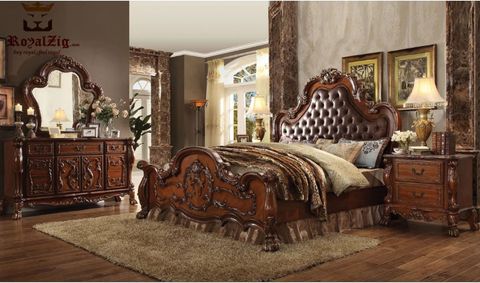
| Victorian | Decorative carvings and ornate details | Mahogany, walnut |
| Georgian | Symmetry and classical influences | Oak, mahogany |
| Art Deco | Geometric patterns and luxury finishes | Exotic woods, metal |
| Edwardian | Elegant and lighter designs | Satinwood, mahogany |
| Mid-Century Vintage | Clean lines and functionality | Teak, oak |
These styles continue to influence modern furniture design and interior decoration trends.
Materials and Craftsmanship
One reason antique furniture remains admired is its emphasis on craftsmanship and durable materials.
Common materials found in antique furniture include:
- Solid hardwoods
- Hand-carved decorative elements
- Brass and metal accents
- Traditional upholstery fabrics
- Natural wood finishes
Many historical pieces were created using joinery techniques that prioritized durability and longevity.
These construction methods provide valuable insights into furniture manufacturing traditions and design evolution.
Vintage Furniture and Modern Interiors
Antique furniture is often incorporated into contemporary interiors to create visual contrast and design balance.
Popular design approaches include:
- Mixing antique statement pieces with modern décor
- Using vintage furniture as focal points
- Combining traditional materials with contemporary layouts
- Highlighting handcrafted details through minimalist design
This blend of old and new creates distinctive spaces that celebrate both heritage and innovation.
Industry Examples and Design Influence
Several organizations and institutions have contributed significantly to furniture design education, preservation, and historical research.
Organizations such as the Victoria and Albert Museum, The Metropolitan Museum of Art, and The Furniture History Society are widely recognized for preserving furniture collections and supporting research into historical design traditions.
Furniture manufacturers and design companies such as Herman Miller and Knoll have also influenced discussions around craftsmanship, furniture innovation, and design history.
These examples are included solely for educational and informational context regarding the broader furniture and design industry.
Recent Trends and Updates (2025–2026)
The antique and vintage furniture sector has experienced several notable developments during the past year.
Recent trends include:
- Increased interest in sustainable interior design
- Growing appreciation for furniture restoration
- Expansion of heritage-inspired home décor
- Greater focus on craftsmanship and handmade products
- Integration of vintage furniture into modern workspaces
- Rising educational interest in furniture history
Interior designers continue exploring ways to combine historical furnishings with contemporary architecture and technology.
Antique Furniture Categories
| Furniture Type | Traditional Purpose |
| Cabinets | Storage and display |
| Writing Desks | Study and office use |
| Dining Tables | Dining and gatherings |
| Sideboards | Dining room storage |
| Armchairs | Seating and relaxation |
These furniture categories remain influential in both historical and modern interior design.
Laws and Policies Affecting Antique Furniture
Antique furniture may be subject to regulations relating to cultural heritage, historical preservation, and international trade.
Important considerations include:
- Cultural heritage protection laws
- Historical artifact preservation regulations
- Import and export documentation requirements
- Conservation standards for restoration projects
- Museum and archival preservation guidelines
These frameworks help protect historically significant furnishings and preserve cultural heritage for future generations.
Tools and Resources
Various resources help individuals learn more about antique furniture and historical design.
Useful educational resources include:
- Furniture history reference books
- Interior design research platforms
- Museum collections and archives
- Restoration planning guides
- Historical design databases
- Digital room visualization tools
Institutions and educational organizations often provide valuable information about furniture styles, restoration methods, and decorative arts history.
Frequently Asked Questions
What qualifies furniture as antique?
Furniture is commonly considered antique when it is of significant age and represents historical craftsmanship or design characteristics.
What is the difference between antique and vintage furniture?
Antique furniture is generally older and historically significant, while vintage furniture often refers to items from more recent past decades.
Why is antique furniture important in interior design?
It provides historical character, craftsmanship, and unique visual elements that can complement modern interiors.
What materials are commonly found in antique furniture?
Hardwoods such as oak, walnut, mahogany, and teak are frequently used in antique furnishings.
What are current trends in vintage interior design?
Sustainability, furniture restoration, heritage-inspired décor, and blending traditional pieces with contemporary spaces are major trends in 2026.
Conclusion
Antique furniture represents an important part of design history, reflecting the craftsmanship, materials, and artistic traditions of earlier generations. From Victorian elegance to Art Deco sophistication, these furnishings continue to influence contemporary interior design and architectural aesthetics.
Growing interest in sustainability, restoration, and heritage-inspired interiors has renewed appreciation for historical furniture styles. Understanding antique furniture characteristics, design periods, materials, and preservation practices provides valuable insight into both decorative arts and modern design trends.
Disclaimer
This article is intended solely for informational and educational purposes. It does not promote, advertise, recommend, or endorse any furniture manufacturer, retailer, rental provider, museum, or organization. Company and institution names are included only as examples within discussions of furniture history, design, and craftsmanship. The content should not be interpreted as professional interior design, appraisal, investment, or restoration advice.