Maxillofacial Implant Manufacturing Methods and Innovations
Maxillofacial implant manufacturing is the process of designing and producing medical implants used to repair, replace, or support facial and jaw structures. These implants are commonly used in reconstructive procedures involving the skull, jawbone, cheekbones, eye sockets, and other facial areas affected by injury, congenital conditions, disease, or surgical treatment.
The field of maxillofacial reconstruction has evolved significantly over the past several decades. Earlier treatment methods often relied on standard implant shapes that required extensive modification during surgical procedures. Modern manufacturing techniques now allow for greater precision, enabling implants to match individual anatomical requirements more accurately.
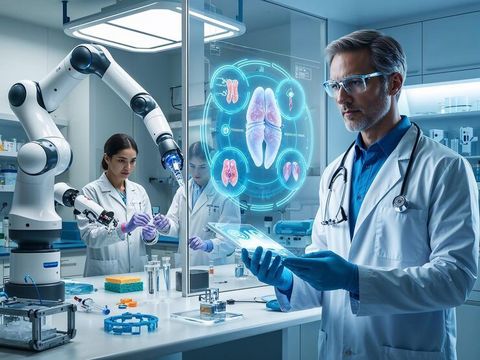
The development of advanced materials, digital imaging systems, and computer-aided manufacturing has transformed the production process. Today, engineers and healthcare professionals work together to create implants that are durable, biocompatible, and designed to support long-term functionality.
The primary purpose of maxillofacial implant manufacturing is to improve structural stability while supporting facial symmetry, speech, chewing function, and overall quality of life for patients undergoing reconstructive procedures.
Why Maxillofacial Implant Manufacturing Matters Today
The importance of maxillofacial implant manufacturing continues to grow as healthcare systems increasingly focus on personalized treatment approaches.
Several factors contribute to its significance:
- Rising demand for reconstructive healthcare procedures
- Advances in medical imaging technologies
- Increased use of patient-specific implant designs
- Growing emphasis on functional and aesthetic outcomes
- Improved material science and manufacturing precision
People affected by traumatic injuries, facial fractures, tumors, congenital abnormalities, and certain medical conditions often depend on these implants as part of their treatment plans.
The manufacturing sector also plays an important role in supporting healthcare innovation. Improved implant designs help reduce surgical complexity, enhance compatibility with human tissue, and support more predictable outcomes.
Key Benefits of Modern Manufacturing Approaches
| Manufacturing Feature | Potential Benefit |
|---|---|
| Digital Design | Improved accuracy |
| Advanced Materials | Enhanced durability |
| Precision Engineering | Better fit and stability |
| Patient-Specific Modeling | Personalized solutions |
| Quality Testing | Increased safety standards |
Modern production techniques help address challenges associated with traditional implant systems, including fit limitations and extended adjustment requirements.
Manufacturing Methods Used in Modern Facilities
Several advanced manufacturing methods are commonly used in the production of maxillofacial implants.
Computer-Aided Design and Engineering
Computer-aided design (CAD) systems allow engineers to create detailed digital models of implants. Medical imaging data from scans can be integrated into the design process to improve anatomical accuracy.
Additive Manufacturing
Additive manufacturing, often referred to as 3D printing, has become increasingly important in the production of complex implant structures.
Benefits include:
- Complex geometric designs
- Reduced material waste
- Faster prototyping
- Improved customization capabilities
Computer Numerical Control Machining
CNC machining remains widely used for manufacturing implants from metal materials. The process involves automated cutting and shaping with high precision.
Surface Treatment Technologies
Surface modification techniques help improve implant performance by enhancing tissue interaction and long-term stability.
Common approaches include:
- Polishing
- Texturing
- Coating applications
- Surface roughness optimization
Quality Assurance Systems
Every stage of production typically includes inspection and validation procedures to ensure consistency and compliance with healthcare standards.
Materials Commonly Used in Implant Manufacturing
Material selection is one of the most important factors in maxillofacial implant production.
The most commonly used materials include:
| Material Type | Key Characteristics |
| Titanium Alloys | Strength, corrosion resistance |
| Medical-Grade Polymers | Lightweight and adaptable |
| Biocompatible Ceramics | Tissue compatibility |
| Composite Materials | Combination of beneficial properties |
Titanium remains one of the most widely used materials due to its strength-to-weight ratio and compatibility with biological tissues.
Research continues to explore new materials that may provide improved performance, reduced weight, and enhanced integration with surrounding bone structures.
Recent Updates and Industry Innovations
The past year has seen several developments influencing the maxillofacial implant manufacturing sector.
Growth of Personalized Implant Production in 2025
Throughout 2025, healthcare providers and manufacturers increasingly adopted patient-specific implant workflows. Improved digital scanning technologies have enabled more accurate customization based on individual anatomical data.
Expansion of Artificial Intelligence Applications
During 2025 and early 2026, artificial intelligence tools gained attention for assisting with implant design optimization. These systems can analyze anatomical structures and support engineers during the planning process.
Increased Focus on Sustainable Manufacturing
Manufacturing facilities have continued exploring methods to reduce material waste and improve production efficiency. Additive manufacturing techniques have played an important role in these efforts.
Improvements in 3D Printing Technologies
Recent advancements have expanded the capabilities of metal additive manufacturing systems. Enhanced precision and faster production speeds are helping improve workflow efficiency.
Research Into Bioactive Surfaces
Researchers have continued investigating surface technologies designed to support improved interaction between implants and surrounding tissues.
Industry Trend Overview
| Trend | Impact |
| AI-Assisted Design | Improved planning efficiency |
| Advanced 3D Printing | Greater customization |
| Sustainable Production | Reduced waste |
| Smart Manufacturing | Better process control |
| Digital Workflows | Faster development cycles |
These developments indicate a continued movement toward precision-driven and technology-enabled manufacturing environments.
Regulations and Policy Frameworks
Because maxillofacial implants are medical devices, manufacturing activities are heavily influenced by regulations and quality standards.
Different countries maintain specific frameworks that govern design, production, testing, and post-production monitoring.
Quality Management Requirements
Manufacturers generally follow recognized quality management systems that establish requirements for:
- Documentation
- Risk management
- Product traceability
- Process validation
- Continuous monitoring
Medical Device Regulations
Government authorities often classify maxillofacial implants as regulated medical devices. Manufacturers must demonstrate safety and performance before products can be used within healthcare settings.
International Standards
Many organizations align operations with internationally recognized standards that focus on:
- Manufacturing consistency
- Material safety
- Sterilization requirements
- Quality assurance procedures
Data Protection Considerations
As patient-specific implant production becomes more common, regulations related to digital health information and privacy have gained greater importance.
Emerging Policy Focus Areas
Recent regulatory discussions have increasingly addressed:
- Artificial intelligence in medical device development
- Additive manufacturing validation
- Cybersecurity requirements
- Digital documentation systems
These policy developments aim to maintain patient safety while supporting responsible innovation.
Helpful Tools and Resources
A variety of tools and resources support professionals involved in implant manufacturing, education, and research.
Digital Design Platforms
These systems assist with:
- Three-dimensional modeling
- Implant design
- Virtual simulations
- Structural analysis
Medical Imaging Software
Imaging solutions help convert scan data into digital models suitable for engineering applications.
Manufacturing Planning Tools
Production planning software can support:
- Workflow management
- Resource allocation
- Production scheduling
- Quality tracking
Validation and Testing Resources
Organizations often use testing frameworks and documentation templates to support compliance and quality assurance.
Educational Resources
Helpful learning resources include:
- Technical publications
- Industry reports
- Research journals
- Professional training programs
- Standards documentation
These resources help professionals stay informed about changing technologies and regulatory expectations.
Frequently Asked Questions
What is a maxillofacial implant?
A maxillofacial implant is a medical device designed to repair, replace, or support facial and jaw structures affected by injury, disease, or congenital conditions.
Which materials are commonly used in maxillofacial implants?
Titanium alloys, medical-grade polymers, ceramics, and composite materials are among the most commonly used materials because of their durability and biocompatibility.
How does 3D printing contribute to implant manufacturing?
3D printing allows manufacturers to create highly customized implant designs with complex geometries while improving production flexibility and reducing material waste.
Why are regulations important in implant manufacturing?
Regulations help ensure product safety, quality, consistency, and compliance with healthcare standards, protecting both patients and healthcare providers.
What are the latest innovations in this field?
Recent innovations include AI-assisted design systems, advanced additive manufacturing technologies, patient-specific implant development, and research into bioactive surface treatments.
Conclusion
Maxillofacial implant manufacturing has become a highly advanced field that combines engineering, material science, digital technologies, and healthcare expertise. Modern manufacturing methods enable the creation of precise and reliable implants that support reconstructive treatment across a wide range of clinical situations.