Learn About Powder Mixing Machines: Complete Guide, Explanation, Insights, Facts, Knowledge, and Help Resources
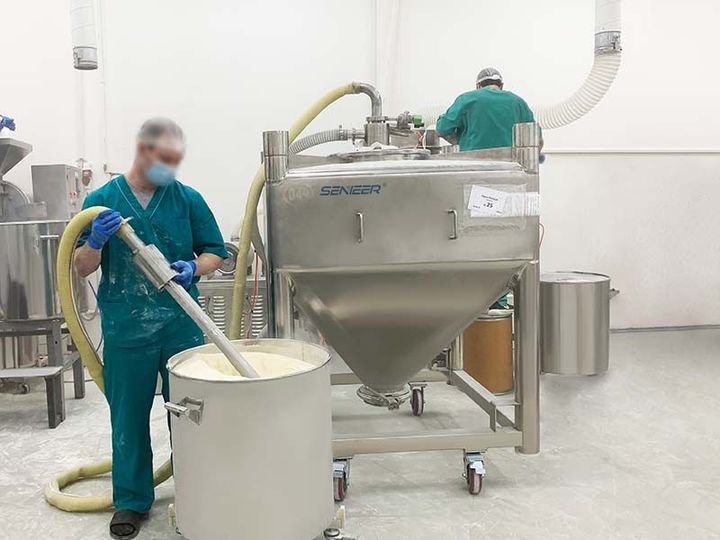
Powder mixing machines are industrial devices designed to combine dry powders and granular materials into a uniform mixture. These machines are widely used across manufacturing environments where consistency, quality, and accurate ingredient distribution are important.
The need for powder mixing technology emerged as industries expanded and production processes became more complex. Manual mixing methods often produced inconsistent results, making it difficult to maintain product quality. Powder mixing machines were developed to improve efficiency, reduce variation, and support standardized manufacturing practices.
Today, powder blending technology is used in sectors such as pharmaceutical manufacturing, food processing, chemical production, cosmetics, construction materials, agriculture, and advanced materials engineering. Different machine designs are available depending on the characteristics of the materials being processed.
The primary objective of a powder mixing machine is to ensure that each particle is distributed evenly throughout the mixture. This helps manufacturers maintain product consistency while improving process reliability.
Common Types of Powder Mixing Machines
| Machine Type | Typical Application | Mixing Method |
|---|---|---|
| Ribbon Blender | Food and chemical processing | Horizontal ribbon agitation |
| V-Blender | Pharmaceutical powders | Tumbling motion |
| Double Cone Blender | Fine powder blending | Rotational mixing |
| Paddle Mixer | Granules and powders | Paddle agitation |
| Ploughshare Mixer | Intensive industrial mixing | High-speed mechanical action |
| Fluidized Bed Mixer | Specialized manufacturing | Air-assisted mixing |
Why Powder Mixing Machines Matter in Modern Industries
Powder mixing equipment plays a significant role in ensuring product quality and operational efficiency. Many industries depend on accurately blended materials to meet technical requirements and safety standards.
In pharmaceutical production, uniform mixing helps ensure that active ingredients are distributed consistently throughout medications. In food manufacturing, proper blending contributes to flavor consistency and ingredient balance. Chemical manufacturers rely on controlled mixing processes to achieve desired material properties.
Several factors explain the growing importance of industrial mixing equipment:
• Improved product consistency
• Reduced material waste
• Better process control
• Enhanced workplace safety
• Increased production efficiency
• Support for automation systems
• Compliance with quality standards
As manufacturing becomes more advanced, organizations increasingly focus on process optimization. Powder blending systems help support these goals by providing predictable and repeatable results.
Industries That Depend on Powder Mixing Technology
| Industry | Examples of Materials Mixed |
|---|---|
| Pharmaceuticals | Active ingredients and excipients |
| Food Processing | Flour, spices, additives |
| Chemicals | Industrial compounds and additives |
| Cosmetics | Powders, pigments, minerals |
| Agriculture | Fertilizers and supplements |
| Construction | Cement blends and dry mortar |
| Advanced Materials | Specialty powders and composites |
Recent Developments and Industry Trends
The powder mixing machine sector has experienced several notable developments during 2025 and 2026 as manufacturers continue adopting advanced industrial technologies.
One major trend involves increased integration of automation systems. Modern mixing equipment increasingly includes programmable controls, digital monitoring, and process data collection capabilities. These technologies help operators track production performance and improve consistency.
Another development is the growing use of smart sensors. During 2025, many industrial equipment providers introduced monitoring solutions capable of measuring operational conditions in real time. These systems help identify maintenance requirements before equipment issues occur.
Energy efficiency has also become a significant focus. Throughout 2025 and early 2026, manufacturers introduced designs intended to reduce power consumption while maintaining mixing performance. Sustainability objectives across manufacturing industries continue to encourage investment in efficient industrial processing solutions.
The pharmaceutical and food sectors have also shown increased interest in hygienic equipment designs. Enhanced cleaning systems and contamination-control features have become more common in newly developed machines.
Industry Trend Overview
| Trend | Impact |
|---|---|
| Smart Manufacturing | Improved process monitoring |
| Industrial Automation | Reduced manual intervention |
| Digital Controls | Greater operational precision |
| Energy Optimization | Lower resource consumption |
| Predictive Maintenance | Improved equipment reliability |
| Hygienic Design | Better contamination control |
Technology Adoption Trend (Illustrative)
Automation Adoption
2022  ████
2023  ██████
2024  ████████
2025  ██████████
2026  ███████████
The chart illustrates the general growth of automation adoption across industrial processing environments over recent years.
Regulations, Standards, and Policy Considerations
Powder mixing machines operate within regulatory frameworks that vary depending on industry and region. While requirements differ, several common standards influence equipment design and operation.
Manufacturers operating in pharmaceutical environments often follow Good Manufacturing Practice (GMP) guidelines. These guidelines focus on quality management, cleanliness, documentation, and process consistency.
Food processing facilities typically follow food safety standards established by national regulatory agencies. Equipment used in these environments is often designed to support sanitation and contamination prevention.
Industrial workplaces may also be subject to occupational safety regulations covering:
• Dust control
• Worker protection
• Machinery safety
• Noise management
• Hazard communication
• Equipment maintenance procedures
Environmental regulations can affect powder handling operations as well. Some facilities must implement measures to reduce airborne particulate emissions and manage industrial waste responsibly.
International standards organizations continue to influence equipment manufacturing through technical guidelines related to machine safety, quality assurance, and industrial process management.
Key Compliance Areas
| Compliance Area | Purpose |
|---|---|
| Workplace Safety | Protect personnel |
| Product Quality | Maintain consistency |
| Environmental Control | Reduce emissions |
| Documentation Standards | Improve traceability |
| Equipment Validation | Support reliability |
Helpful Tools and Resources
Various digital tools and educational resources can help professionals understand powder mixing processes and industrial manufacturing systems.
Engineering Calculators
Engineering calculators can assist with:
• Mixing volume calculations
• Density measurements
• Material flow estimates
• Production planning
• Process optimization
Process Simulation Software
Simulation platforms allow engineers to evaluate mixing behavior before implementing production changes. These tools are increasingly used for research and process development.
Industrial Training Platforms
Educational programs covering process engineering, manufacturing systems, and material handling provide valuable knowledge for understanding powder blending technology.
Technical Documentation Templates
Common resources include:
• Equipment inspection checklists
• Maintenance schedules
• Process validation templates
• Risk assessment forms
• Quality control records
Professional Organizations
Industry associations often publish:
• Technical guidance documents
• Best practice recommendations
• Research papers
• Safety resources
• Educational materials
Factors Considered When Evaluating Powder Mixing Performance
Several characteristics influence mixing effectiveness:
• Particle size distribution
• Material density
• Moisture content
• Mixing duration
• Equipment configuration
• Batch volume
• Flow properties
Understanding these variables helps improve process outcomes and supports better manufacturing decisions.
Frequently Asked Questions
What is a powder mixing machine?
A powder mixing machine is industrial equipment designed to combine powders or granular materials into a uniform mixture. These machines are commonly used in manufacturing environments where consistency is important.
Why is uniform mixing important?
Uniform mixing helps ensure that ingredients are distributed evenly throughout a product. This contributes to quality control, performance consistency, and process reliability.
Which industries use powder mixing equipment?
Industries that commonly use powder mixing systems include pharmaceuticals, food processing, chemicals, cosmetics, agriculture, construction materials, and advanced manufacturing.
How does automation affect powder mixing processes?
Automation can improve process monitoring, reduce manual intervention, support data collection, and help maintain consistent operating conditions throughout production cycles.
What factors influence mixing efficiency?
Mixing efficiency can be affected by particle size, density differences, moisture content, machine design, batch size, and operating parameters.
Are there regulations related to powder mixing equipment?
Yes. Depending on the industry, equipment may be influenced by workplace safety standards, environmental regulations, food safety requirements, pharmaceutical manufacturing guidelines, and quality management frameworks.
Conclusion
Powder mixing machines are an essential component of modern manufacturing and industrial processing systems. Their primary function is to create uniform mixtures that support product quality, operational efficiency, and process consistency. As industries continue to adopt automation, digital monitoring, and advanced manufacturing practices, powder blending technology is becoming increasingly sophisticated.
Recent developments in smart manufacturing, energy optimization, predictive maintenance, and hygienic equipment design highlight the ongoing evolution of this field. At the same time, regulations and quality standards continue to shape how industrial mixing equipment is designed and operated.
By understanding the fundamentals of powder mixing machines, the industries that rely on them, current technological trends, and available educational resources, readers can gain a stronger understanding of this important area of industrial process engineering.