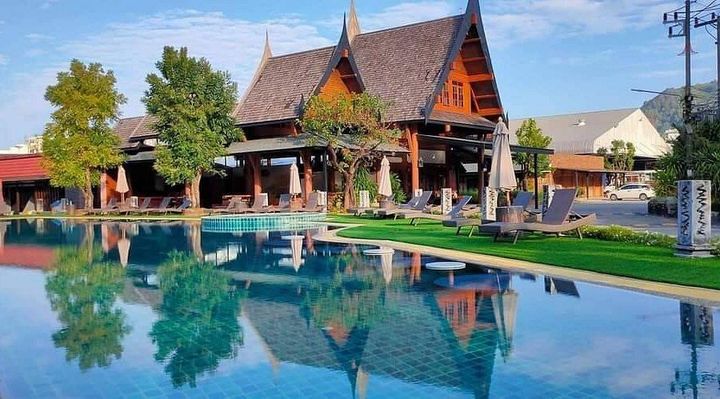
In the hospitality industry, luxury resorts represent a specialized segment within the broader field of hospitality management, luxury travel experiences, and resort tourism development. Unlike traditional hotels, resorts often occupy larger spaces such as coastal areas, mountain landscapes, desert environments, or tropical islands. Their design focuses on connecting guests with the surrounding environment while maintaining high standards of comfort and privacy.
A typical luxury resort may include features such as:
-
High-end accommodation suites or villas
-
Wellness facilities such as spas and fitness centers
-
Recreational activities like water sports or guided tours
-
Cultural and entertainment programs
-
Fine dining restaurants and specialty cuisine venues
Luxury resorts also play an important role in tourism infrastructure. Many destinations develop resort zones to attract international visitors and encourage long-stay tourism. These locations often emphasize environmental design, sustainable construction, and destination-based experiences.
Because of these characteristics, luxury resorts are frequently associated with topics such as premium hospitality services, sustainable resort development, and tourism experience management.
Why Luxury Resorts Matter in the Tourism Industry
The luxury resort sector has become increasingly significant within global tourism and hospitality markets. Travelers today often seek experiences that combine relaxation, cultural exploration, and wellness activities within a single destination.
Luxury resorts address several needs within the travel ecosystem.
First, they provide integrated tourism environments. Guests can stay, dine, relax, and participate in activities without needing to travel long distances between locations. This integrated structure supports convenience and safety for travelers.
Second, luxury resorts contribute to economic development in tourism regions. They often create infrastructure improvements such as transportation access, local employment opportunities, and partnerships with regional cultural institutions.
Third, these resorts contribute to sustainability initiatives in tourism. Many modern resort developments incorporate eco-friendly architecture, sustainable hospitality practices, and environmental conservation programs.
Some common areas where luxury resorts contribute include:
-
Tourism infrastructure development
-
Environmental conservation initiatives
-
Cultural tourism experiences
-
Wellness and health tourism
-
International travel and hospitality education
Luxury resorts are also closely connected with the growth of wellness tourism, luxury hospitality management, and destination tourism planning. These areas are widely studied within tourism research and hospitality management programs.
Recent Developments and Trends in Luxury Resort Tourism
Over the past year, several trends have influenced the luxury resort sector. Industry reports from 2025 highlight evolving traveler preferences and changing hospitality strategies.
One important development is the growing emphasis on sustainable luxury tourism. Many resorts are implementing energy-efficient construction methods, water conservation systems, and responsible waste management programs. Travelers increasingly value environmentally responsible hospitality practices.
Another major trend involves technology integration in hospitality management. Digital guest services, mobile check-in systems, and AI-supported concierge tools are becoming common features in modern resorts. These technologies help streamline operations and improve the guest experience.
Wellness tourism also continues to expand. Resorts now frequently include specialized wellness facilities such as:
-
Holistic wellness programs
-
Meditation and mindfulness retreats
-
Nutrition and fitness guidance
-
Nature-based relaxation environments
Industry research published in 2025 also highlights the rise of remote-work tourism. Many travelers combine work and leisure, sometimes referred to as “work-from-destination” travel. Resorts have responded by introducing quiet workspaces, high-speed connectivity, and longer-stay accommodation options.
The following table summarizes several recent trends influencing the luxury resort sector.
| Trend | Description | Impact on Tourism |
|---|
| Sustainable Resort Design | Eco-friendly architecture and resource conservation | Supports environmental protection |
| Digital Guest Services | Mobile check-in, digital concierge tools | Improves operational efficiency |
| Wellness Tourism | Spa programs, health retreats, mindfulness activities | Expands health-focused travel |
| Remote Work Travel | Work-friendly hospitality environments | Encourages longer stays |
These developments demonstrate how the luxury hospitality sector continues to evolve as traveler expectations and global tourism patterns change.
Regulations and Policies Affecting Resort Development
Luxury resorts operate within regulatory frameworks that guide tourism development, environmental protection, and hospitality standards. These policies vary by country but generally focus on ensuring safe, responsible, and sustainable tourism practices.
One major regulatory area relates to environmental protection laws. Resorts located in coastal zones, islands, forests, or protected natural areas must follow environmental guidelines regarding land use, wildlife protection, and ecosystem preservation.
Another key regulatory element involves tourism licensing and hospitality standards. Government tourism departments often require resorts to meet specific operational guidelines regarding safety procedures, accommodation standards, and guest services.
Policies may also address:
-
Building and zoning regulations
-
Sustainable tourism certification programs
-
Food safety and hospitality hygiene standards
-
Cultural heritage protection
In some destinations, tourism authorities promote sustainable resort certification programs that encourage environmentally responsible hospitality practices. These programs evaluate areas such as energy use, water conservation, and waste management.
Government tourism initiatives also support infrastructure improvements, including transportation access, coastal management, and cultural tourism preservation.
These regulatory frameworks help ensure that resort development supports both tourism growth and environmental protection.
Helpful Tools and Resources for Learning About Luxury Resorts
Individuals interested in understanding the luxury resort sector can explore several digital tools, research platforms, and educational resources. These tools provide insights into hospitality management, tourism analytics, and travel planning.
Commonly used resources include:
Travel Research Platforms
These platforms provide data on traveler preferences, destination trends, and hospitality insights.
Hospitality Education Platforms
-
Online hospitality management courses
-
Tourism and travel research publications
-
Digital learning platforms focused on hospitality education
These educational resources help learners understand topics such as resort operations management, hospitality marketing strategy, and tourism industry analytics.
Tourism Data and Analytics Tools
-
Tourism statistics dashboards
-
Global travel industry reports
-
Hospitality benchmarking platforms
These tools help researchers and hospitality professionals analyze tourism trends, traveler behavior, and destination performance.
The table below illustrates several categories of tools used in tourism research and hospitality management.
| Tool Category | Purpose | Example Use |
|---|
| Travel Research Platforms | Analyze traveler behavior | Destination trend analysis |
| Hospitality Education Resources | Learn hospitality management concepts | Tourism training programs |
| Tourism Data Platforms | Track global tourism statistics | Market research insights |
| Sustainability Assessment Tools | Evaluate environmental impact | Resort sustainability monitoring |
These resources provide valuable information for anyone studying tourism development, hospitality management, or travel industry trends.
Frequently Asked Questions About Luxury Resorts
What defines a luxury resort?
A luxury resort is a hospitality property designed to provide high levels of comfort, privacy, and integrated recreational facilities. These resorts often combine accommodation, dining, wellness programs, and leisure activities within a single destination environment.
How are luxury resorts different from traditional hotels?
Traditional hotels primarily focus on accommodation services, while luxury resorts provide a broader experience that includes recreation, wellness, entertainment, and destination-based activities.
Why are luxury resorts often located in natural environments?
Resorts are frequently built in locations with scenic value such as beaches, mountains, or forests. These environments support relaxation, outdoor recreation, and nature-focused tourism experiences.
What role does sustainability play in modern resorts?
Sustainability has become a central focus in resort development. Many properties use eco-friendly construction methods, renewable energy systems, and conservation programs to protect surrounding ecosystems.
Are luxury resorts part of the global tourism economy?
Yes. Luxury resorts contribute significantly to tourism infrastructure, hospitality employment, and international travel experiences. They also support cultural tourism and environmental conservation programs in many destinations.
Conclusion
Luxury resorts represent an important segment of the global hospitality and tourism industry. They provide integrated travel environments that combine accommodation, recreation, wellness, and cultural experiences within carefully designed destinations.
As traveler preferences evolve, the luxury resort sector continues to adapt through sustainability initiatives, digital hospitality technology, and wellness-focused tourism programs. Regulatory frameworks and tourism policies also play a role in ensuring responsible resort development and environmental protection.
Understanding luxury resorts involves exploring topics such as hospitality management, tourism development, sustainability practices, and traveler experience design. By examining industry trends, policies, and educational resources, readers can gain a clearer understanding of how luxury resorts contribute to modern tourism and hospitality ecosystems.