Student Co-Living Explained: A Complete Guide to Shared Housing Models
Student co-living refers to shared housing models designed specifically for students pursuing higher education away from their home cities. These spaces combine private sleeping areas with shared kitchens, study rooms, and social zones. The concept exists to address the growing demand for cheapest student accommodation options that still provide safety, structure, and essential student accommodation facilities.
Traditional hostels and independent rentals often struggle to meet modern expectations. As a result, co-living spaces for students have emerged as an organized housing format that balances independence with community living. This model supports academic routines while simplifying everyday logistics such as maintenance, utilities, and shared amenities.
Students co-living arrangements are now common in major education hubs, offering an alternative between institutional dormitories and unregulated shared apartments.
Importance: Why Student Co-Living Matters Today
Student co-living matters because higher education mobility has increased significantly. Students frequently relocate across cities or countries, creating demand for affordable student living environments that reduce complexity.
Key reasons this topic is relevant today include:
-
Rising enrollment in urban universities and private institutions
-
Limited availability of on-campus housing
-
Increased preference for managed student housing
-
Greater focus on safety, hygiene, and study-friendly environments
Co living for students directly affects:
-
Undergraduate and postgraduate students
-
International students adapting to new regions
-
Parents seeking structured housing options
-
Student housing property management operators
Problems this model helps solve include:
-
Difficulty finding verified student-friendly housing
-
Lack of standardized facilities in informal rentals
-
Isolation experienced by students living alone
-
Maintenance and utility coordination challenges
Both luxury student housing and basic shared models now coexist, allowing students to choose based on location, facilities, and lifestyle preferences.
Types of Co-Living Spaces for Students
Student co-living is not a single uniform format. Different models exist to match academic schedules, location density, and lifestyle preferences. These formats are commonly found across major education hubs.
Private room co-living
This model provides individual sleeping spaces with shared kitchens, lounges, and study zones. It is widely preferred by postgraduate and international students seeking privacy within a community setting.
Shared room co-living
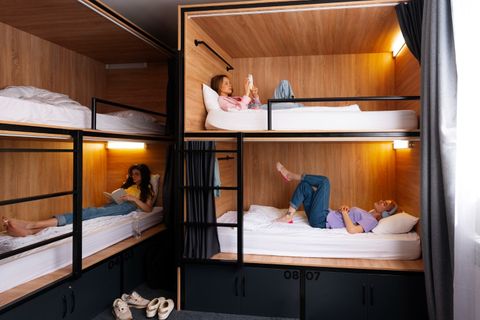
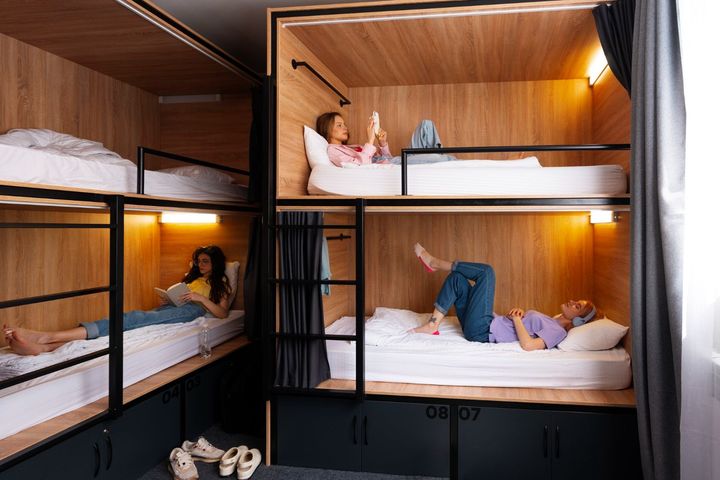
Two or more students share a bedroom while using common facilities. This structure supports cheapest student accommodation needs while maintaining managed living standards.
Cluster-based co-living
Small groups of rooms are arranged around a shared living area. This format supports peer interaction and is commonly used for undergraduate housing.
Studio-style co-living units
Compact private units located within a larger student co-living building. These are often associated with luxury student housing classifications due to lower occupancy density.
| Co-Living Type | Privacy Level | Community Interaction |
|---|---|---|
| Private Room | High | Moderate |
| Shared Room | Low | High |
| Cluster Housing | Medium | High |
| Studio Units | Very High | Low to Moderate |
Practical Applications of Students Co-Living
Students co-living is applied across various academic and social contexts, making it adaptable to different student needs.
Academic-focused living
Many co-living spaces align house rules and shared schedules with academic calendars, encouraging structured study routines.
Transition housing for new students
Students relocating for the first time often use co-living as an entry point before moving to independent rentals.
International student accommodation
Managed co-living simplifies documentation processes and provides culturally diverse environments.
Group-based learning environments
Cluster models encourage peer collaboration, especially in professional courses and project-based programs.
Practical benefits include:
-
Reduced isolation for students living away from home
-
Shared responsibility for common areas
-
Access to standardized student accommodation facilities
-
Simplified daily logistics through property management
Estimated Costs of Student Co-Living (Informational)
Estimated pricing for student co-living varies significantly based on city, room type, and facility level. The figures below are indicative only and intended for general understanding.
| Housing Type | Estimated Monthly Range (USD) |
|---|---|
| Shared Room Co-Living | 150 – 300 |
| Private Room Co-Living | 300 – 600 |
| Cluster-Based Housing | 250 – 500 |
| Studio Co-Living Units | 500 – 900 |
This range demonstrates how affordable student living and premium models coexist within the co-living ecosystem.
Leading Providers of Students Co-Living
The student co-living sector includes both regional operators and global platforms focused on managed housing solutions.
Dedicated student housing operators
Organizations specializing exclusively in student accommodation, often located near academic institutions.
Multi-city co-living platforms
Operators managing standardized properties across multiple education hubs, supported by centralized student housing property management systems.
University-aligned housing partners
Third-party providers that collaborate with institutions to supplement campus housing availability.
Hybrid residential developers
Real estate developers integrating student co-living within mixed-use residential projects.
Common characteristics of leading providers include:
-
Standardized facility management
-
Clear occupancy guidelines
-
Digital support systems for residents
-
Compliance with local housing regulations
These providers contribute to the growing reliability and structure of co-living spaces for students worldwide.
Recent Updates: Trends and Changes in Student Co-Living
Over the past year, student co-living has continued to evolve in response to academic, economic, and technological shifts.
Key developments observed in 2024–2025 include:
-
Increased adoption of digital check-ins and app-based management systems (2024)
-
Expansion of co-living operators into tier-2 education cities (late 2024)
-
Higher demand for single-occupancy rooms within shared layouts (2025 trend)
-
Integration of dedicated study zones and quiet hours policies
A noticeable trend is the blending of student accommodation facilities with wellness-oriented features such as:
-
Reading lounges
-
Fitness corners
-
Mental well-being spaces
Another change is improved transparency in student housing property management, including clearer house rules, standardized agreements, and clearer information sharing for students and guardians.
Laws and Policies Affecting Student Co-Living
Student co-living is influenced by a mix of housing, safety, and local governance regulations. While policies vary by country and city, common regulatory factors include:
-
Municipal rental and occupancy guidelines
-
Fire and building safety regulations
-
Student welfare and housing advisories
-
Local zoning rules for shared residences
In countries like India, student co-living typically falls under:
-
State rental housing frameworks
-
Local municipal licensing requirements
-
Safety compliance standards for shared buildings
Government education initiatives promoting access to higher education indirectly influence co living for students by increasing demand near institutions.
Students are generally advised to:
-
Verify local registration or compliance status
-
Understand shared occupancy limits
-
Review institutional housing advisories when available
These policies aim to balance student safety with housing availability, especially in dense academic areas.
Tools and Resources Related to Student Co-Living
Several digital tools and platforms help students understand and manage shared housing arrangements more effectively.
Commonly used resources include:
-
Student accommodation comparison platforms
-
University housing portals and advisories
-
Budget planning calculators for student living
-
Digital rental agreement templates
-
Community management apps for residents
Helpful resource categories:
-
Location mapping tools for campus proximity
-
Room-sharing and occupancy planners
-
Academic calendar-based stay planners
These tools support better decision-making for students exploring cheapest student accommodation without compromising essential facilities.
Shared Housing Models Used in Student Co-Living
Different co-living formats exist depending on region, infrastructure, and student needs.
| Housing Model | Description | Typical Occupancy |
|---|---|---|
| Private Room + Shared Areas | Individual rooms with common kitchen and lounge | 1 per room |
| Twin-Sharing Rooms | Shared bedroom with common facilities | 2 per room |
| Cluster Apartments | Multiple rooms around shared living space | 4–6 students |
| Studio-Style Units | Compact private space within co-living building | Single occupancy |
These models are managed under structured student housing property management systems to maintain consistency and rules.
Student Accommodation Facilities Commonly Provided
Facilities vary by location and operator, but commonly include:
-
Furnished rooms
-
Shared kitchens or dining areas
-
Study rooms and Wi-Fi access
-
Laundry zones
-
Housekeeping schedules
The presence of these student accommodation facilities reduces daily management responsibilities for residents and supports academic focus.
FAQs About Student Co-Living
Is student co-living suitable for first-year students?
Yes. Many first-year students prefer students co-living because it provides structured living with social interaction and shared academic routines.
How is student co-living different from hostels?
Hostels are often institution-managed and rule-heavy. Co-living spaces for students typically allow more independence while maintaining shared responsibilities.
Are international students eligible for co-living spaces?
Yes. International students frequently use co-living due to simplified documentation and managed facilities.
Does luxury student housing differ from basic co-living?
Luxury student housing usually includes enhanced amenities and lower occupancy per unit, while basic co-living focuses on affordability and essential facilities.
Is student housing property management involved daily?
Most managed co-living spaces include on-site or digital management for maintenance coordination and rule enforcement.
Comparison of Student Living Options
| Feature | Traditional Rental | Hostel | Student Co-Living |
|---|---|---|---|
| Management Support | Limited | High | Structured |
| Social Interaction | Low | Moderate | High |
| Flexibility | High | Low | Moderate |
| Student-Focused Facilities | Rare | Common | Standardized |
This comparison highlights why co living for students has gained popularity across education hubs.
Conclusion
Student co-living has become a significant part of modern education ecosystems. It exists to bridge the gap between institutional housing and unstructured rentals by offering organized shared environments tailored to academic life.
Through improved student accommodation facilities, evolving management practices, and alignment with housing regulations, students co-living models continue to expand across cities. Whether focused on affordable student living or luxury student housing, these shared housing formats address real challenges faced by mobile student populations.
As higher education continues to grow and diversify, student co-living is likely to remain a key housing solution shaped by policy, technology, and changing student expectations.
Informational disclaimer: These estimates are based on observed market ranges and may vary depending on location, academic season, regulatory factors, and facility standards. They should not be interpreted as fixed or guaranteed amounts.