Modern Homes: The Complete Guide to Design, Features, and Smart Living Basics
Modern homes reflect how people live, work, and interact with their environment in today’s world. They focus on thoughtful design, efficient use of space, integration of technology, and healthy living. This guide explains what modern homes are, why they are important, what trends are shaping them today, how laws and policies influence them in India, useful tools you can use in planning or living in one, and answers to common questions.
What Modern Homes Are and Why They Exist
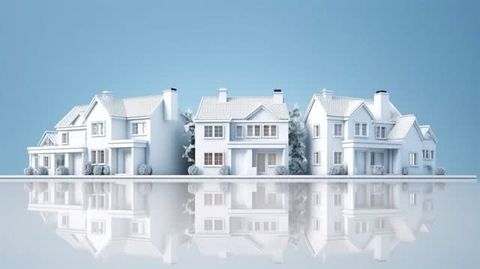
Modern homes are residential spaces designed to support contemporary lifestyles. They emphasize practicality, comfort, sustainability, and technology integration. This approach evolved from traditional architecture to meet needs such as changing family structures, work-from-home arrangements, environmental concerns, and advancements in building materials and digital technology.
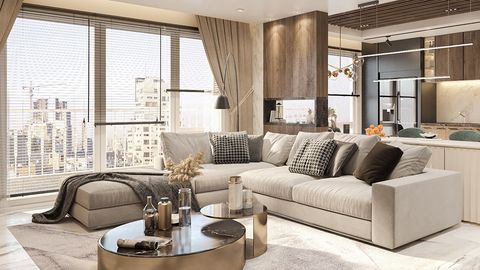
In a modern home, every area is planned with purpose—from open living spaces that encourage interaction to dedicated zones for work or relaxation. Materials like glass, steel, polished concrete, and natural wood are commonly used, and interior layouts are often flexible rather than rigid. Modern homes aim for natural light, ventilation, and a connection with the outdoors.
The rise of digital technology, including smart devices and home automation systems, has reshaped what people expect from their living spaces. Modern design now means homes that are not only aesthetically pleasing but also responsive to residents’ needs through integrated sensors, appliances, and software.
Why Modern Homes Matter Today
Modern homes matter for several reasons:
Supporting Changing Lifestyles
As work patterns shift and families seek flexible spaces, modern designs help accommodate living, working, and learning in the same environment. Open-plan layouts and adaptable rooms support multipurpose use.
Energy Efficiency and Sustainability
Concerns about climate change and utility use drive demand for homes that minimize energy consumption and environmental impact. Modern homes often include energy-efficient windows, insulation, natural lighting strategies, and renewable energy readiness.
Health and Comfort
Indoors now account for a significant portion of our daily lives. Modern homes emphasize air quality, thermal comfort, and access to outdoor views, which can influence physical and mental well-being.
Technology and Connectivity
Smart living basics like automated lighting, climate control, security systems, and voice-controlled devices add convenience and can improve safety and energy use.
Problem Solving
Modern homes address issues like limited space in urban areas, high energy costs, and the need for resilient design amid environmental challenges.
By affecting homeowners, renters, architects, builders, and even policymakers, the evolution of modern homes shapes how communities grow and adapt.
Recent Trends and Changes in Modern Homes
Design and technology trends evolve year to year. Recent patterns include:
Greater Focus on Hybrid Spaces
Since 2020, work-from-home trends have continued into 2025 and 2026, increasing the demand for dedicated home office spaces or adaptable zones that can serve work and home needs simultaneously.
Sustainable Materials and Systems
There is growing interest in materials with lower environmental impact, such as recycled wood, low-VOC (volatile organic compound) paints, and energy-efficient insulation. Solar-ready roofs and rainwater harvesting systems are becoming more common.
Smart Living Integration
Smart home systems now link lighting, HVAC (heating, ventilation, and air conditioning), security, and appliances. These systems can be controlled remotely through apps or voice assistants, improving convenience and monitoring energy usage.
Biophilic and Wellness Design
Designs that connect occupants with nature—through indoor plants, natural materials, water features, and access to outdoor views—have grown in popularity as awareness of wellbeing rises.
Compact and Modular Living
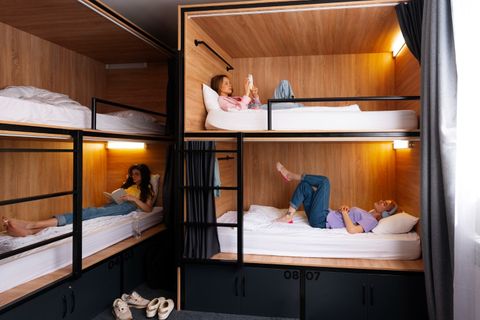
Urban areas with limited space have spurred modular homes and micro-apartment designs that maximize utility in smaller footprints while maintaining comfort.
Energy Codes and Performance Standards
Many jurisdictions have updated building codes to require higher energy performance standards, impacting design and material choices. In India, energy-efficient building codes are gradually being adopted in urban planning.
These trends show how modern homes adapt to social, environmental, and technological forces.
How Laws, Policies, and Programs Affect Modern Homes in India
Modern homes do not exist in isolation from laws and policies. In India, several regulations and programs influence their design and construction:
Building Codes and Standards
The National Building Code of India (NBC) provides guidelines on structural safety, fire safety, electrical systems, and earthquake resistance. Parts of the NBC are increasingly aligned with energy efficiency standards.
Energy Conservation Building Code (ECBC)
ECBC provides minimum energy performance standards for buildings, including residential units in many states. It emphasizes efficient lighting, HVAC systems, insulation, and building envelope design.
State and Local Regulations
Municipal corporations and state urban development authorities (e.g., Delhi Development Authority or Municipal Corporation of Delhi) enforce zoning, floor area ratio (FAR), setbacks, height restrictions, and stormwater management requirements that affect how modern homes are designed and placed.
Smart City Initiatives
Programs such as India’s Smart Cities Mission encourage infrastructure and technology solutions that can include digital services, utility monitoring, and efficient transportation links, which indirectly shape residential design priorities.
Renewable Energy Policies
Some state electricity regulatory commissions offer net metering or incentives for rooftop solar installations, encouraging homeowners to incorporate renewable energy features.
Environmental Regulations
Rules governing waste management, water usage, and green cover requirements may influence landscaping and resource planning for modern homes.
Understanding these laws helps residents and builders make informed design decisions that comply with safety, performance, and sustainability goals.
Tools and Resources for Modern Home Planning and Living
Whether planning a new home, upgrading an existing one, or living with smart systems, several tools and resources are useful:
Design and Visualization Tools
• Home design software (e.g., SketchUp, Sweet Home 3D) for planning layouts.
• Floor plan templates and modular design kits.
Smart Home Platforms
• Smartphone apps for controlling lighting, climate, and security (e.g., Apple Home, Google Home).
• Voice assistants that integrate multiple devices.
Energy Performance Calculators
• Building energy modeling tools that estimate heating, cooling, and lighting needs.
• Solar potential calculators for rooftop installations.
Material and Product Databases
• Websites detailing sustainable materials, insulation types, and finishes.
• Comparative guides for energy-efficient windows, lighting options, and HVAC systems.
Guideline and Code Resources
• Digital access to the National Building Code of India.
• State energy efficiency code documents and design manuals.
Learning and Community Resources
• Architecture and design forums that share case studies.
• YouTube channels or online courses on sustainable design and smart home basics.
These tools can support informed decision-making at every stage—from initial planning to daily living.
FAQs About Modern Homes and Smart Living Basics
What defines a “modern home”?
A modern home typically includes functional layouts, minimalistic design, integration of natural light, energy-efficient systems, and often smart technology that enhances comfort and convenience.
Are smart home systems expensive to install?
The cost of smart home systems varies widely depending on the extent of automation. Basic systems like smart lighting or thermostats may be affordable for many homeowners, while full home automation with integrated security and appliances represents a larger investment.
Do modern homes use more technology than traditional homes?
Yes, modern homes often include advanced technologies like automation, remote sensing, and connectivity features that traditional homes may not have. However, traditional design principles still play a role in aesthetic and functional decisions.
What sustainability features are popular in modern homes?
Common sustainability features include high-performance insulation, energy-efficient lighting and appliances, solar panels, rainwater harvesting systems, and designs that maximize natural heating and cooling.
How do building codes affect modern home design in India?
Building codes in India govern structural safety, fire protection, and energy performance. Compliance with these codes ensures safety and efficiency but may require specific material choices and design approaches.
Can smart home technology improve energy efficiency?
Yes. Smart thermostats, lighting controls, and energy monitoring systems can reduce unnecessary consumption by adjusting settings based on use patterns.
Tables for Quick Reference
Common Design Features and Benefits
| Design Feature | Benefits |
|---|---|
| Open plan living | Flexible space, better social interaction |
| Large windows / skylights | Natural light, reduced daytime lighting needs |
| Insulation and ventilation | Improved comfort, energy savings |
| Smart climate control | Optimal temperature with less energy use |
| Indoor-outdoor connection | Healthy living, visual openness |
Smart Home Components and Functions
| Component | Typical Function |
|---|---|
| Smart thermostat | Automatic temperature control |
| Automated lighting | Scheduled or sensor-based light adjustments |
| Smart locks and security | Remote monitoring and access control |
| Voice assistant hubs | Centralized control of connected devices |
| Energy monitoring systems | Track consumption and suggest savings |
Conclusion
Modern homes represent a blend of thoughtful design, environmental awareness, and integrated technology. They support how people live and work today by prioritizing flexibility, comfort, and efficiency. With evolving design trends, smart living basics, and regulatory frameworks in places like India shaping choices, modern homes continue to adapt. Understanding the features, tools, and legal context helps homeowners and planners make decisions that suit their lifestyle and future needs.
If you want clarity on specific design choices or technology integration for your own space, feel free to ask!