Learn About Elite Villas: Complete Guide, Basics, Tips, Insights, and Helpful Resources
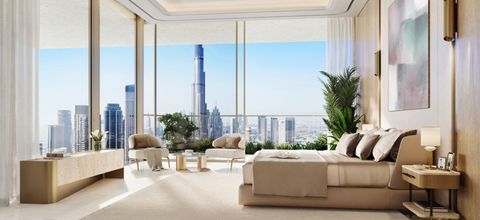
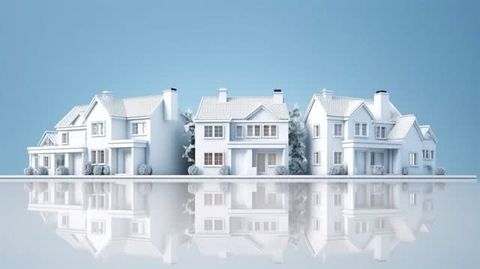
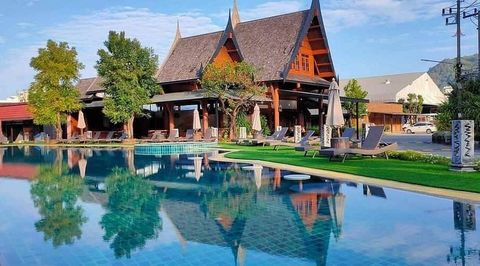
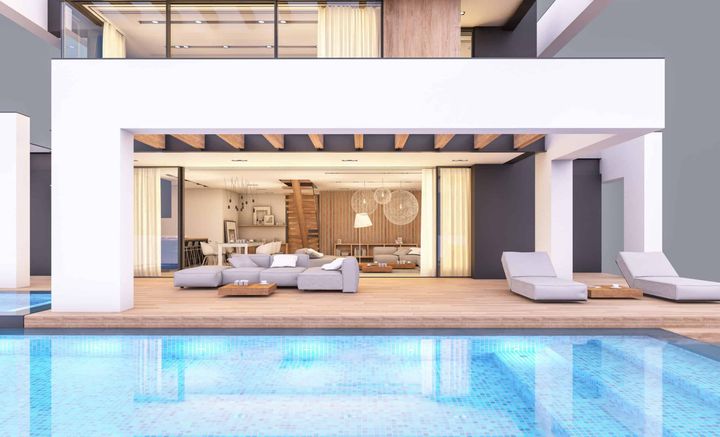
Elite villas are high-end residential properties designed to provide spacious living environments, privacy, and architectural sophistication. These residences typically include large living areas, landscaped surroundings, and premium amenities that differentiate them from standard housing developments.
The concept of elite villas emerged from the demand for private residential spaces that combine comfort, design quality, and modern lifestyle features. Over time, these residences evolved from traditional large homes into carefully planned residential communities that include smart infrastructure, eco-friendly systems, and advanced security measures.
Many elite villa developments focus on architectural aesthetics, interior space optimization, and integration with natural landscapes. These properties often incorporate features such as open floor plans, natural lighting, outdoor relaxation areas, and sustainable construction materials.
The goal of elite villa design is not only luxury but also long-term residential comfort. As urban environments become denser, spacious and well-planned living spaces have gained attention in residential planning discussions across global real estate markets.
Common features associated with elite villas include:
-
Large living spaces and private outdoor areas
-
Advanced architectural design and premium materials
-
Smart home technology integration
-
Landscaped surroundings and recreational spaces
-
Enhanced privacy compared with high-density housing
In recent years, elite villas have become an important category within luxury real estate markets, reflecting broader shifts toward quality living environments and residential sustainability.
Why Elite Villas Matter in Modern Residential Planning
The growing interest in elite villas reflects several broader changes in housing preferences, lifestyle priorities, and urban development patterns.
One of the main factors influencing this trend is the increasing demand for private living environments. As cities expand and population density rises, many households seek residential options that provide more space, quieter surroundings, and access to outdoor areas.
Elite villas often address these needs by combining modern infrastructure with residential comfort. Their design frequently emphasizes natural ventilation, green landscaping, and integration with surrounding environments.
These residences also play a role in architectural innovation. Developers and designers frequently experiment with new building materials, smart technology systems, and energy-efficient construction methods when designing elite villas.
Several groups are particularly interested in understanding elite villa developments:
-
Urban planners studying low-density housing models
-
Architecture professionals analyzing residential design trends
-
Researchers exploring sustainable building practices
-
Property analysts reviewing luxury real estate market dynamics
Elite villas also influence surrounding infrastructure. When large residential developments are planned, nearby transportation systems, utilities, and community facilities may be upgraded to support long-term residential growth.
In addition, elite villas are often associated with sustainable housing initiatives. Many new developments incorporate features such as:
| Sustainability Feature | Purpose |
|---|---|
| Solar energy systems | Reducing reliance on traditional electricity sources |
| Rainwater harvesting | Supporting water conservation |
| Energy-efficient insulation | Improving indoor temperature stability |
| Smart lighting systems | Enhancing energy management |
These elements reflect broader efforts to align residential architecture with environmental sustainability goals.
Recent Trends and Developments in Elite Villas
Over the past year, several notable trends have influenced the development and design of elite villas across international real estate markets.
One major shift involves the integration of smart home technology. By 2025, many elite villas incorporate automated lighting systems, climate controls, security monitoring, and voice-controlled devices. These systems aim to improve efficiency, convenience, and energy management within residential spaces.
Another significant trend involves wellness-focused architecture. New villa developments increasingly include spaces designed for physical and mental well-being, such as meditation areas, indoor gardens, and natural ventilation systems.
A growing emphasis on environmental sustainability has also shaped recent villa designs. In 2024 and 2025, several residential developers announced projects featuring low-carbon construction materials and advanced insulation systems that reduce energy consumption.
Key trends observed recently include:
-
Smart home automation integration
-
Sustainable construction materials
-
Wellness-oriented architectural layouts
-
Larger outdoor living areas
-
Integration with natural landscapes
The following simplified trend comparison illustrates changing priorities in luxury residential design.
| Design Priority | Earlier Developments | Recent Developments |
|---|---|---|
| Technology | Basic automation | Integrated smart ecosystems |
| Energy Efficiency | Standard insulation | Advanced sustainable systems |
| Outdoor Spaces | Decorative gardens | Functional outdoor living zones |
| Interior Layout | Traditional rooms | Open-plan living concepts |
These evolving design preferences reflect broader lifestyle changes and technological advancements influencing residential architecture.
Regulations and Policies Affecting Elite Villa Developments
Residential developments, including elite villas, are influenced by planning regulations, environmental policies, and zoning frameworks established by local authorities.
Urban planning regulations often determine where villa developments may be constructed. These zoning policies classify land for specific uses, such as residential, commercial, or mixed-use development. Low-density zoning areas are typically designated for villa-style housing.
Environmental regulations also influence construction practices. Many countries require residential developments to comply with sustainability standards related to energy efficiency, water management, and green space preservation.
Common regulatory considerations include:
-
Land zoning and development permissions
-
Environmental impact assessments
-
Building safety standards
-
Infrastructure planning requirements
In some regions, building certification systems help evaluate environmental performance in residential construction. Examples include:
-
LEED (Leadership in Energy and Environmental Design)
-
BREEAM (Building Research Establishment Environmental Assessment Method)
-
Green building certification programs
These frameworks encourage sustainable building practices and resource-efficient infrastructure.
Government housing programs may also influence villa development policies. Some urban planning strategies encourage balanced residential growth by combining high-density housing with low-density residential communities.
Regulatory oversight ensures that residential projects meet safety, environmental, and infrastructure requirements before construction begins.
Tools and Resources for Learning About Elite Villas
A variety of digital tools and research resources help individuals better understand elite villa developments and residential architecture trends.
These tools provide insights into market data, architectural design concepts, and sustainability analysis.
Helpful resources include:
• Architectural visualization software – used to explore villa design concepts
• Urban planning research databases – provide information on residential development patterns
• Real estate market analytics platforms – track global housing trends
• Energy efficiency calculators – estimate energy performance of residential buildings
• Landscape planning tools – assist with outdoor environment design
Several commonly used platforms include:
-
Property market data platforms
-
Architectural design applications
-
Sustainability assessment tools
-
Construction planning software
The table below outlines categories of tools that assist in analyzing villa development projects.
| Tool Category | Example Purpose |
|---|---|
| Architecture Software | Visualizing residential design concepts |
| Energy Analysis Tools | Evaluating building efficiency |
| Market Research Platforms | Tracking housing market trends |
| Urban Planning Databases | Studying residential development patterns |
Researchers, students, and housing analysts frequently rely on these resources to explore residential architecture and development trends in a structured way.
Frequently Asked Questions About Elite Villas
What defines an elite villa compared with other residential properties?
Elite villas generally refer to spacious residential homes designed with high-quality materials, advanced architectural planning, and private living environments.
Are elite villas typically located within residential communities?
Some elite villas are independent homes, while others are part of planned residential communities with shared infrastructure and landscaped surroundings.
Do elite villas incorporate smart home technologies?
Many modern developments include automated lighting, climate systems, and security technologies that improve energy efficiency and convenience.
How do environmental policies influence villa construction?
Environmental regulations often require sustainable construction practices, efficient water management systems, and energy-efficient building materials.
Why are outdoor spaces emphasized in villa architecture?
Outdoor areas provide natural ventilation, recreational space, and improved environmental integration with surrounding landscapes.
Conclusion
Elite villas represent a distinctive category within residential architecture, emphasizing spacious living environments, thoughtful design, and long-term comfort. Their development reflects broader changes in housing preferences, technological innovation, and sustainability priorities.
In recent years, smart home systems, eco-friendly construction methods, and wellness-focused architecture have become important features in many villa developments. At the same time, zoning regulations, environmental standards, and urban planning policies continue to shape how these residential communities are designed and constructed.
By understanding architectural trends, regulatory frameworks, and available research tools, readers can gain a clearer perspective on how elite villas fit into the evolving landscape of modern housing development.