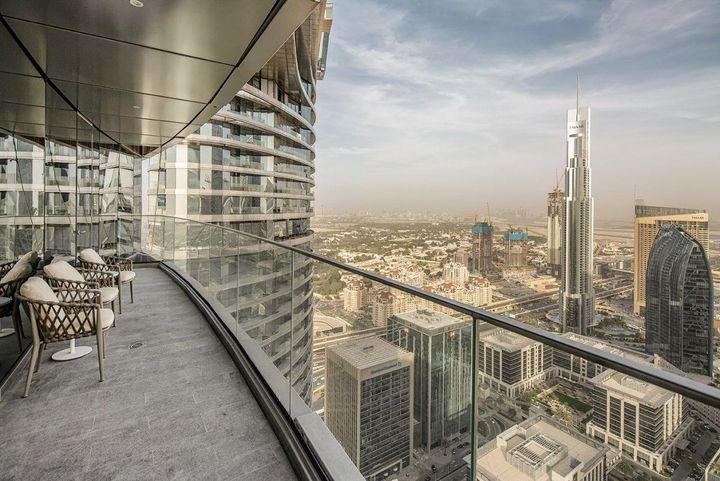
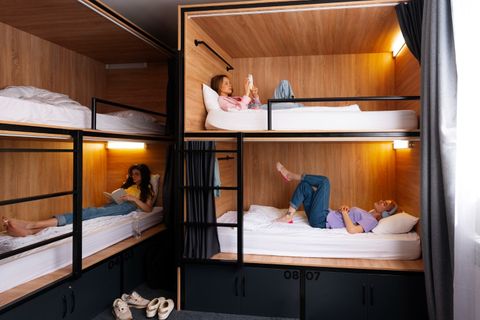
Residential towers range from compact studio apartments to large multi-bedroom units in high-rise developments. Many of these buildings include shared facilities such as parking areas, fitness spaces, and communal amenities. Flats are typically located within planned residential communities designed to support dense urban living.
Dubai’s housing environment is shaped by modern architecture, advanced infrastructure, and carefully planned residential zones. Neighborhoods often combine residential towers with retail areas, transport links, and public spaces. Urban planning authorities aim to balance residential demand with commercial and tourism development.
The availability of flats also reflects the city’s diverse population. Residents from many regions choose apartment living because it offers accessibility to workplaces, business districts, and transportation systems. As a result, flats play an essential role in Dubai’s overall real estate ecosystem.
Why Dubai Flats Are Important in Today’s Housing Market
Apartment housing is one of the most common residential formats in Dubai. High-rise buildings allow urban planners to accommodate a growing population while maintaining efficient land use in a rapidly developing city.
Several factors explain the growing relevance of flats within the residential property sector:
-
Urban population growth in international business hubs
-
Increasing demand for modern residential buildings
-
Expansion of mixed-use communities
-
Proximity to business districts and transportation networks
-
Development of large residential master plans
Flats provide flexible living arrangements for individuals and families who prefer apartment communities instead of standalone houses. The layout of many buildings includes shared services such as maintenance management, building security systems, and facility management operations.
The real estate sector also plays a key role in the economic structure of Dubai. Residential towers form part of larger developments that combine offices, retail centers, hospitality venues, and transportation networks. This integrated design helps maintain efficient city planning.
The following table summarizes typical apartment categories found in Dubai’s residential buildings.
| Apartment Type | Typical Layout | Common Resident Groups |
|---|
| Studio Apartment | Open living and sleeping space | Single residents |
| One-Bedroom Flat | Separate bedroom and living room | Professionals or couples |
| Two-Bedroom Flat | Multiple bedrooms and family space | Small families |
| Three-Bedroom or Larger | Spacious layouts with multiple bathrooms | Larger households |
These housing formats contribute to Dubai’s ability to host international residents while maintaining organized residential communities.
Recent Housing Developments and Market Trends
Dubai’s residential sector experienced several notable developments over the past year. Property market reports published in 2025 highlighted steady activity in apartment construction, particularly in emerging residential districts and waterfront communities.
Key developments reported during the year include:
-
Expansion of new residential towers in mixed-use districts
-
Increased focus on sustainable building design
-
Growth of smart building technology integration
-
Development of new metro-connected residential areas
Urban development strategies also emphasize sustainability and smart city infrastructure. Many new residential towers incorporate energy-efficient systems, digital building management, and environmental monitoring tools.
The following simplified trend chart illustrates general patterns in apartment development activity over recent years.
| Year | Residential Tower Development Activity |
|---|
| 2022 | Moderate construction growth |
| 2023 | Increase in mixed-use housing projects |
| 2024 | Expansion of sustainable residential buildings |
| 2025 | Growth in smart apartment communities |
Urban planning agencies in Dubai continue to guide residential expansion through long-term development plans. These strategies aim to balance population growth with infrastructure capacity and environmental considerations.
Housing Regulations and Residential Property Policies
Residential apartments in Dubai operate within a regulated property framework managed by government authorities. One of the primary regulatory bodies overseeing real estate activities is the Dubai Land Department.
This authority supervises property registration, ownership documentation, and regulatory compliance within the real estate sector. Another related regulatory organization is the Real Estate Regulatory Agency, often known as RERA, which helps ensure transparency and governance in property management.
Key elements of the regulatory framework include:
-
Property registration systems for residential units
-
Documentation of apartment ownership rights
-
Building management regulations for residential towers
-
Property service charge governance and building maintenance rules
In addition to property regulations, urban development in Dubai follows city planning guidelines managed by municipal authorities. These policies define building standards, infrastructure planning, and zoning requirements.
The regulatory environment helps maintain organized development across residential districts. It also supports transparency within the real estate market by maintaining official property records and legal documentation processes.
Helpful Tools and Resources for Understanding Dubai Flats
Individuals researching apartment living in Dubai often rely on several digital tools and information platforms. These resources provide data about housing communities, infrastructure, and real estate regulations.
Common tools and resources include:
-
Official property registry portals
-
Real estate data dashboards and market reports
-
Mortgage and property financing calculators
-
Residential community maps and urban planning portals
-
Property documentation verification tools
One widely used mobile platform for real estate information is the Dubai REST. This application provides digital access to property records, real estate services, and regulatory updates.
Urban navigation tools also help residents explore apartment districts and surrounding infrastructure. Platforms such as Google Maps assist with understanding transportation routes, nearby facilities, and neighborhood layouts.
The following table highlights examples of commonly used real estate information resources.
| Tool Type | Purpose |
|---|
| Property Registry Portal | View official property records |
| Mortgage Calculator | Estimate housing finance scenarios |
| Community Map Platforms | Explore residential neighborhoods |
| Real Estate Data Dashboards | Monitor property market trends |
Using these tools can help individuals understand the structure of Dubai’s residential housing environment.
Frequently Asked Questions About Dubai Flats
What is the typical structure of a Dubai flat?
A Dubai flat generally refers to an apartment unit located in a multi-story residential building. These units may include studio layouts or multiple bedrooms depending on the building design and community structure.
Are apartment buildings common in Dubai?
Yes. High-rise apartment buildings are widely used across the city due to efficient urban planning and the need to accommodate a diverse population within limited land areas.
Who manages apartment buildings in Dubai?
Residential towers are usually managed by property management companies or building owners. These organizations oversee maintenance operations, shared facilities, and building administration.
How are residential communities planned in Dubai?
Urban planners design residential areas as integrated communities that combine apartment buildings with retail areas, parks, transportation infrastructure, and public facilities.
What documentation is involved in residential property registration?
Property registration in Dubai typically includes official ownership records, legal documentation, and regulatory approvals maintained through government property registries.
Conclusion
Dubai flats represent a major component of the city’s modern housing infrastructure. Apartment living allows the city to accommodate a large international population while maintaining organized urban development. High-rise residential towers form part of integrated communities that combine housing, transportation, and commercial services.
The residential property sector continues to evolve through sustainable building practices, smart city technologies, and long-term urban planning strategies. Regulatory authorities oversee property registration and real estate governance to ensure transparency and structured development.
Understanding the basics of Dubai flats, including housing trends, regulations, and available information tools, provides helpful insight into the broader real estate landscape of the city. As Dubai continues expanding as a global urban center, apartment living will remain an important element of its residential environment.