Learn About Fabric Inspection Machines: Explore Overview, Advice, Suggestions, Facts, Knowledge, and Resources
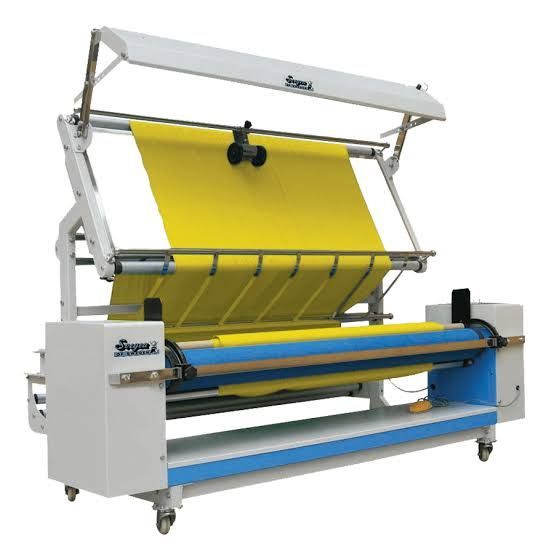
Fabric inspection machines are specialized textile quality control systems designed to examine fabric before it moves to cutting, dyeing, finishing, or garment production stages. Their primary purpose is to identify defects, inconsistencies, and quality concerns that may affect the final textile product.
In textile manufacturing, fabric can develop issues such as holes, stains, weaving defects, color variations, broken yarns, and uneven patterns. Inspection machines help detect these problems early, allowing manufacturers to maintain consistent quality standards.
Modern fabric inspection systems combine mechanical components, lighting systems, sensors, digital imaging technology, and automated reporting tools. Some advanced systems also use artificial intelligence (AI), machine vision, and industrial automation technologies to improve inspection accuracy.
Common high-value industry keywords associated with this field include:
- Textile Quality Control
- Automated Fabric Inspection
- Industrial Machine Vision
- AI Defect Detection
- Textile Manufacturing Equipment
- Fabric Quality Assurance
- Industrial Automation Systems
- Smart Factory Technology
- Manufacturing Process Optimization
- Digital Textile Inspection
Why Fabric Inspection Machines Matter
Fabric quality directly influences product performance, durability, and customer satisfaction. Even small defects can create challenges later in the production process.
Fabric inspection machines help various stakeholders, including:
- Textile manufacturers
- Apparel producers
- Technical textile companies
- Home furnishing manufacturers
- Industrial fabric processors
- Quality assurance teams
The technology addresses several common challenges:
| Challenge | How Inspection Machines Help |
|---|---|
| Fabric defects | Detect flaws before further processing |
| Material waste | Reduce unnecessary waste from defective fabric |
| Quality inconsistencies | Support standardized quality checks |
| Production delays | Identify issues earlier in workflows |
| Documentation needs | Generate digital inspection records |
| Compliance requirements | Assist with quality verification procedures |
Organizations increasingly focus on quality management because textile supply chains have become more complex and globally connected. As production volumes increase, automated inspection technologies can help maintain consistency across large-scale operations.
Key Benefits of Modern Inspection Systems
Modern systems provide advantages beyond traditional visual inspection.
- Improved inspection accuracy
- Faster defect identification
- Better documentation and traceability
- Support for digital manufacturing environments
- Reduced manual workload
- Enhanced production monitoring
- Data-driven quality management
The growing adoption of Industry 4.0 practices has also increased interest in intelligent textile inspection technologies.
Recent Updates and Industry Developments
The textile machinery sector has experienced several developments during 2025 and 2026.
Manufacturers continue integrating AI-powered machine vision systems into inspection equipment. These systems can analyze fabric images in real time and identify patterns associated with common defects.
Several industry exhibitions held during 2025 showcased advanced textile automation technologies, including smart inspection platforms capable of generating digital quality reports and predictive maintenance alerts.
Recent trends include:
| Trend | Industry Impact |
| AI-based defect recognition | Faster and more consistent inspections |
| Cloud-connected quality systems | Improved data sharing across facilities |
| Digital quality reporting | Better traceability and recordkeeping |
| Smart factory integration | Enhanced manufacturing visibility |
| High-resolution camera systems | Improved defect detection accuracy |
| Sustainability monitoring | Reduced waste through early detection |
Many textile producers are also adopting integrated quality management software that connects inspection data with broader manufacturing systems.
Another notable development is the increasing use of machine learning models trained on textile defect datasets. These systems continue improving their detection capabilities as additional inspection data becomes available.
Fabric Inspection Technology Evolution
The following table illustrates how inspection technologies have evolved.
| Technology Generation | Main Characteristics |
| Manual Inspection | Human visual examination |
| Semi-Automated Systems | Mechanical fabric movement with manual review |
| Digital Inspection Systems | Cameras and computerized monitoring |
| AI-Assisted Inspection | Machine vision and automated defect recognition |
| Smart Manufacturing Integration | Connected analytics and quality intelligence |
This progression reflects broader trends in industrial automation and digital transformation across manufacturing sectors.
Fabric Inspection Workflow Example
A simplified inspection process typically follows this sequence:
Fabric Roll
      ↓
Machine Feeding System
      ↓
Lighting & Camera Capture
      ↓
Defect Detection
      ↓
Quality Evaluation
      ↓
Digital Reporting
      ↓
Production Decision
This workflow helps maintain consistent inspection procedures throughout textile operations.
Rules, Regulations, and Policy Considerations
Fabric inspection machines themselves are not usually regulated in the same way as consumer products. However, their use is influenced by broader manufacturing, quality, workplace safety, and trade requirements.
Important areas include:
Quality Management Standards
Many textile organizations follow quality management frameworks such as:
- ISO 9001 Quality Management Systems
- Process improvement standards
- Internal quality assurance protocols
- Supplier quality verification programs
These frameworks often encourage documented inspection procedures and traceable quality records.
Workplace Safety Regulations
Manufacturing facilities must generally comply with occupational safety requirements covering:
- Machine operation safety
- Electrical system standards
- Equipment maintenance procedures
- Employee training requirements
Safety measures help reduce operational risks associated with industrial machinery.
Environmental and Sustainability Programs
Many countries have introduced sustainability initiatives affecting textile production. Inspection technologies can support these goals by:
- Reducing material waste
- Improving production efficiency
- Supporting resource optimization
- Enhancing manufacturing transparency
Trade and Export Requirements
International textile markets often require documented quality standards. Inspection records may support compliance with customer specifications and international trade expectations.
Helpful Tools and Resources
Several technologies and resources support fabric inspection activities.
Industrial Machine Vision Platforms
These systems help automate visual inspection processes through cameras, sensors, and image-processing software.
Examples include:
- AI vision inspection platforms
- Industrial imaging systems
- Automated defect recognition software
Manufacturing Analytics Software
Analytics tools help organizations evaluate quality trends and operational performance.
Useful functions include:
- Quality dashboards
- Production analytics
- Defect tracking
- Performance reporting
Digital Documentation Systems
Digital recordkeeping platforms assist with:
- Inspection reporting
- Audit preparation
- Quality traceability
- Process documentation
Training and Educational Resources
Industry professionals often use:
- Textile engineering publications
- Manufacturing automation guides
- Quality management resources
- Industrial technology learning platforms
Common Metrics Used During Fabric Inspection
| Metric | Purpose |
| Defect Density | Measures defect frequency |
| Inspection Speed | Evaluates operational efficiency |
| Fabric Width Consistency | Verifies dimensional stability |
| Quality Score | Supports grading processes |
| Defect Classification | Categorizes identified issues |
| Yield Performance | Tracks usable fabric output |
These metrics help organizations monitor and improve quality performance over time.
Frequently Asked Questions
What is a fabric inspection machine?
A fabric inspection machine is equipment used to examine textile materials for defects, inconsistencies, or quality concerns before further manufacturing processes occur.
Why is fabric inspection important in textile manufacturing?
Inspection helps identify issues early, reducing waste, supporting quality assurance, and improving consistency throughout production operations.
Can fabric inspection machines detect defects automatically?
Many modern systems use cameras, sensors, machine vision, and artificial intelligence technologies to automatically detect and classify certain types of defects.
What kinds of defects can be identified?
Common defects include holes, stains, weaving irregularities, broken yarns, color variations, wrinkles, and pattern inconsistencies.
How does AI improve fabric inspection?
AI systems can analyze large volumes of image data, recognize defect patterns, improve detection accuracy, and support automated quality reporting.
Are fabric inspection machines used only in clothing manufacturing?
No. They are also used in technical textiles, industrial fabrics, automotive textiles, upholstery materials, home furnishings, and other textile-related industries.
Future Outlook
The future of fabric inspection technology is closely connected to advances in artificial intelligence, industrial automation, and smart manufacturing systems.
Industry experts expect continued growth in:
- AI-powered quality control
- Real-time defect analytics
- Cloud-connected manufacturing
- Predictive maintenance technologies
- Smart factory integration
- Data-driven textile production
As digital transformation expands across manufacturing sectors, fabric inspection systems are likely to become more intelligent, connected, and efficient.
Conclusion
Fabric inspection machines play an important role in modern textile manufacturing by supporting quality assurance, defect detection, and production efficiency. These systems have evolved from manual inspection methods to advanced AI-assisted platforms capable of real-time monitoring and digital reporting.
Growing adoption of industrial automation, machine vision, textile quality control technologies, manufacturing analytics, and smart factory solutions continues to shape the future of fabric inspection. Understanding how these machines operate, the regulations that influence their use, and the tools available for quality management can help readers gain a clearer understanding of this essential area of textile production.
As the textile industry continues embracing innovation, fabric inspection technology remains a key component of reliable, consistent, and data-driven manufacturing practices.