Complete Dental Implant Guide: Learn Basics, Insights, Information, and Helpful Advice
Dental implants are advanced tooth replacement structures designed to support artificial teeth in cases where natural teeth are missing. A dental implant usually includes a titanium or ceramic post that is placed into the jawbone and acts as a stable foundation for a crown, bridge, or denture.
Tooth loss can happen for several reasons, including gum disease, aging, injury, infection, or long-term oral health conditions. Dental implant systems were developed to improve oral function, support jaw structure, and help maintain normal chewing and speaking abilities.
Modern implant dentistry combines oral surgery, restorative dentistry, digital imaging, and biomaterial science. Over the past decade, improvements in scanning technology and implant materials have made implant procedures more accurate and predictable in many clinical settings.
The topic has gained attention because many adults worldwide are seeking long-term oral health solutions that preserve bone structure and improve dental stability. Educational resources about implant dentistry are also expanding as more people research oral health information online.
Why Dental Implants Matter Today
Dental health affects overall well-being, nutrition, communication, and confidence. Missing teeth may influence chewing efficiency and speech clarity, while severe tooth loss can contribute to jawbone shrinkage over time.
Dental implants are important because they are designed to integrate with the jawbone through a biological process called osseointegration. This process allows the implant structure to become stable within the bone.
People who may explore implant-related information include:
Older adults with tooth loss
Individuals recovering from dental trauma
Patients with long-term oral health concerns
People researching modern restorative dentistry
Individuals comparing tooth replacement methods
The increased focus on preventive healthcare has also contributed to greater awareness of oral health technologies and implant dentistry education.
Common Tooth Replacement Options
Option General Description Stability Level Bone Support
Dental Implant Artificial root placed in jawbone High Helps preserve bone
Dental Bridge Artificial tooth supported by nearby teeth Moderate Limited support
Removable Denture Detachable replacement teeth Variable Minimal support
The choice of treatment depends on oral health conditions, bone density, age, lifestyle, and professional dental evaluation.
Growth of Digital Dentistry and Implant Technology
Digital dentistry has transformed many implant-related procedures. Clinics increasingly use:
3D oral scanning
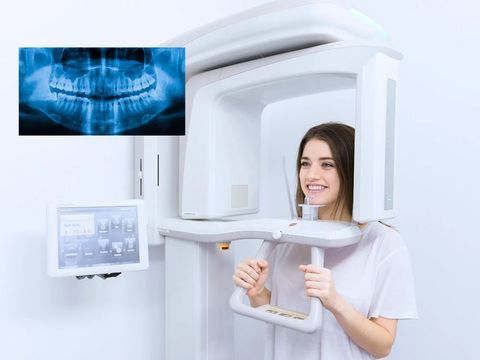
Cone beam CT imaging
AI-assisted treatment planning
Computer-guided implant placement
Digital smile design software
These technologies can improve measurement accuracy and treatment visualization. Digital workflows may also help reduce manual errors in certain cases.
Recent Trends and Updates in Implant Dentistry
The past year has seen growing interest in minimally invasive dental procedures and digital oral healthcare systems. Several developments have influenced implant dentistry in 2025 and late 2024.
Increased Use of AI in Treatment Planning
Artificial intelligence tools are being used in some dental imaging systems to analyze jaw structure, identify nerve pathways, and assist with implant positioning. AI-assisted diagnostics continue to expand in dental research environments.
Rise of Ceramic Dental Implants
Ceramic implants have gained attention as an alternative to titanium implants in some cases. Researchers continue evaluating long-term durability, tissue compatibility, and aesthetic outcomes.
Focus on Preventive Oral Health
Public health campaigns in multiple regions have emphasized preventive dentistry and gum disease awareness. Since gum health plays an important role in implant success, preventive care discussions have become more common in oral health education during 2025.
Teledentistry Expansion
Remote consultations and digital oral health assessments have increased in some healthcare systems. Teledentistry platforms are helping patients access educational information and preliminary dental evaluations before visiting clinics.
Implant Dentistry Trends Snapshot
Trend Estimated Growth Area Observed Impact
Digital Scanning High Improved planning accuracy
AI Dental Imaging Growing Faster diagnostics
Ceramic Materials Moderate Expanded material choices
Teledentistry High Better information access
Oral Health Regulations and Policies
Dental implant procedures are influenced by healthcare regulations, medical device standards, and dental licensing policies. Rules differ depending on the country and healthcare system.
Many governments regulate implant materials and dental devices through national health authorities. These regulations are intended to ensure safety, sterilization standards, and professional compliance.
Areas Commonly Regulated
Dental clinic licensing
Implant material approvals
Infection control standards
Radiology and imaging safety
Professional dental qualifications
Medical device manufacturing
In several countries, titanium implant systems must meet internationally recognized medical-grade standards before clinical use.
Healthcare agencies also monitor advertising practices related to dental treatments. Educational content is generally expected to avoid misleading guarantees or unrealistic outcomes.
Insurance and Healthcare Programs
Some public and private healthcare systems may partially support restorative dental procedures depending on medical necessity, trauma recovery, or oral rehabilitation requirements. Coverage policies vary significantly across regions and insurance providers.
Patients are often encouraged to review:
Eligibility criteria
Documentation requirements
Preventive dental policies
Specialist referral guidelines
Helpful Dental Implant Tools and Resources
Educational tools and digital resources can help individuals better understand implant dentistry and oral care practices.
Commonly Used Oral Health Resources
Dental anatomy learning websites
Oral hygiene tracking apps
Digital brushing timers
Implant treatment planning software
Dental imaging platforms
Preventive care checklists
Useful Types of Dental Technology
Tool Type Purpose
3D Dental Scanner Creates digital oral models
Cone Beam CT Produces jawbone imaging
Oral Health Apps Tracks hygiene routines
AI Imaging Software Assists diagnostics
Educational Platforms Provides oral care information
Educational Websites Often Used for Oral Health Information
Some organizations publish educational oral health materials, including:
Dental associations
Public health agencies
University dental schools
Preventive healthcare organizations
These resources may include:
Oral hygiene guides
Gum disease prevention information
Implant procedure explanations
Recovery and nutrition tips
Research publications
Oral Hygiene Tips Related to Implant Care
People researching implant dentistry are often advised to maintain strong oral hygiene habits. Preventive oral care can support long-term dental health.
Helpful practices may include:
Brushing twice daily
Cleaning between teeth regularly
Limiting tobacco exposure
Attending routine dental evaluations
Monitoring gum health
Following professional aftercare instructions
Balanced nutrition and gum health awareness are also frequently discussed in preventive dentistry education.
Frequently Asked Questions
What is the difference between a dental implant and a denture?
A dental implant is typically fixed into the jawbone and designed to support a replacement tooth structure. A denture is generally removable and rests on the gums rather than integrating with bone.
Are dental implants considered permanent?
Dental implants are intended as long-term tooth replacement structures. However, long-term outcomes depend on oral hygiene, gum health, bone condition, and regular dental care.
Who may not qualify for dental implants?
Certain medical conditions, severe bone loss, untreated gum disease, or smoking-related complications may affect implant suitability. Professional evaluation is usually necessary to determine eligibility.
Why is bone health important in implant dentistry?
The implant post relies on jawbone support for stability. Adequate bone density helps support osseointegration and structural function.
How long does the implant process usually take?
The timeline varies depending on healing requirements, bone condition, and treatment complexity. Some cases may require several months due to healing and integration stages.
Can digital technology improve implant procedures?
Digital imaging, AI-assisted diagnostics, and guided surgery systems may improve planning precision and procedural accuracy in many clinical settings.
Understanding the Future of Implant Dentistry
Dental implant education continues evolving alongside digital healthcare innovation and preventive oral health awareness. Advances in imaging systems, biomaterials, and AI-supported diagnostics are shaping how restorative dentistry is studied and performed.
As public interest in oral health grows, educational information about implants, gum health, and dental technology is becoming more accessible. At the same time, healthcare regulations and professional standards continue influencing how implant procedures are evaluated and managed.
People researching tooth replacement options are encouraged to focus on evidence-based oral health information, preventive dental care, and qualified professional guidance. Understanding the basics of implant dentistry can help individuals make informed decisions about long-term oral health and dental wellness.