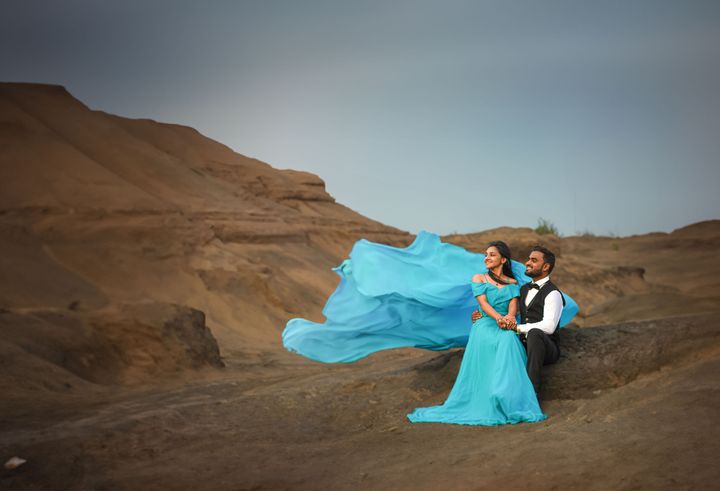
Planning a destination wedding involves careful coordination of travel arrangements, venue selection, accommodation, photography, guest communication, budgeting, and event logistics. Modern technology, digital planning tools, and professional event services have made organizing destination weddings more accessible than ever.
This guide explores destination wedding planning, venue considerations, photography equipment, travel logistics, and event organization from an educational perspective. It does not provide legal, financial, immigration, insurance, travel, or professional wedding planning advice.
Understanding Destination Weddings
A destination wedding is a wedding celebration held at a location away from the couple's primary place of residence.
Popular destination wedding settings include:
-
Beach resorts
-
Mountain retreats
-
Heritage palaces
-
Luxury hotels
-
Private villas
-
Vineyards
-
Countryside estates
-
Lakeside venues
The ideal destination depends on the couple's preferences, guest convenience, and event style.
Choosing the Right Destination
Several factors influence destination selection.
Important considerations include:
-
Climate
-
Accessibility
-
Travel time
-
Accommodation options
-
Venue availability
-
Local attractions
-
Seasonal conditions
Selecting a location that balances beauty with practicality can contribute to a smoother planning experience.
Popular Wedding Venue Types
Destination weddings can take place in many different settings.
Common venue categories include:
Beach Venues
Ideal for relaxed celebrations with scenic ocean views.
Heritage Palaces
Suitable for couples seeking historic architecture and traditional elegance.
Mountain Resorts
Offer panoramic landscapes and cooler climates.
Garden Venues
Provide natural greenery and outdoor ceremony spaces.
Luxury Hotels
Often include accommodation, catering, and event facilities in one location.
Vineyard Estates
Known for picturesque scenery and sophisticated ambiance.
Wedding Planning Checklist
A structured checklist helps organize the planning process.
Common planning tasks include:
-
Selecting a destination
-
Setting a budget
-
Choosing a venue
-
Confirming the guest list
-
Booking accommodation
-
Arranging transportation
-
Hiring photography and videography services
-
Planning the ceremony schedule
-
Coordinating catering
-
Organizing décor
-
Preparing travel documents where required
-
Confirming vendor timelines
Planning timelines vary according to the size and complexity of the event.
Budget Considerations
Wedding budgets typically include several categories.
Examples may include:
-
Venue
-
Accommodation
-
Catering
-
Photography
-
Videography
-
Decorations
-
Entertainment
-
Transportation
-
Wedding attire
-
Guest hospitality
Actual costs vary significantly depending on the destination, season, and event scale.
Travel Planning
Destination weddings require additional travel coordination.
Travel planning may involve:
-
Flight bookings
-
Local transportation
-
Airport transfers
-
Accommodation reservations
-
Guest travel information
Early planning often provides greater flexibility and availability.
Guest Experience
Creating a positive guest experience is an important aspect of destination weddings.
Considerations may include:
-
Welcome information
-
Local travel guidance
-
Accommodation options
-
Event schedules
-
Dining recommendations
-
Nearby attractions
Clear communication helps guests prepare for the celebration.
Wedding Photography
Photography plays a central role in documenting the event.
Professional photographers typically plan for:
-
Pre-wedding sessions
-
Ceremony coverage
-
Family portraits
-
Reception photography
-
Candid moments
-
Scenic location photography
Photography styles vary according to individual preferences.
Photography Equipment
Professional wedding photographers commonly use specialized equipment.
Examples include:
Cameras
-
Full-frame mirrorless cameras
-
Professional DSLR cameras
Lenses
-
Wide-angle lenses
-
Standard zoom lenses
-
Portrait lenses
-
Telephoto lenses
Lighting
-
External flash units
-
Continuous LED lighting
-
Reflectors
-
Light modifiers
Accessories
-
Tripods
-
Memory cards
-
Extra batteries
-
Camera stabilizers
-
Protective weather covers
Equipment selection depends on the photographer's workflow and the event location.
Drone Photography
Where permitted by local regulations, drone photography may provide:
-
Venue overviews
-
Landscape perspectives
-
Group photographs
-
Creative cinematic footage
Drone operations must comply with applicable aviation and privacy regulations.
Wedding Videography
Many couples also choose professional videography.
Coverage may include:
-
Ceremony highlights
-
Reception events
-
Guest interactions
-
Speeches
-
First dance
-
Scenic destination footage
Video styles range from documentary coverage to cinematic storytelling.
Wedding Décor
Décor contributes to the overall atmosphere of the celebration.
Popular design elements include:
-
Floral arrangements
-
Decorative lighting
-
Table centerpieces
-
Ceremony arches
-
Elegant seating layouts
-
Personalized signage
Décor themes often reflect the destination and personal style.
Catering and Dining
Food and beverages are central to most wedding celebrations.
Planning considerations include:
-
Menu selection
-
Dietary preferences
-
Local cuisine
-
Beverage service
-
Dessert options
-
Reception dining schedule
Menu choices vary depending on venue capabilities and guest preferences.
Entertainment
Entertainment options may include:
-
Live music
-
DJs
-
Cultural performances
-
Dance shows
-
Interactive guest activities
Entertainment should align with the overall event style and venue guidelines.
Weather Planning
Outdoor weddings require contingency planning.
Preparations may include:
-
Backup indoor venues
-
Weather monitoring
-
Tent arrangements
-
Guest comfort measures
Weather conditions can influence scheduling and photography.
Sustainable Wedding Practices
Many couples are incorporating environmentally conscious ideas into destination weddings.
Examples include:
-
Digital invitations
-
Reusable decorations
-
Locally sourced flowers
-
Seasonal catering
-
Reduced single-use plastics
-
Responsible waste management
Sustainable practices depend on venue policies and local resources.
Event Technology
Modern wedding planning increasingly incorporates digital tools.
Examples include:
-
Wedding websites
-
Mobile planning applications
-
Online guest RSVPs
-
Digital seating plans
-
Live streaming for remote guests
Technology helps simplify communication and organization.
Destination Wedding Trends in 2026
Several trends continue shaping destination celebrations.
Current trends include:
-
Intimate celebrations
-
Eco-conscious weddings
-
Luxury resort venues
-
Personalized guest experiences
-
Drone photography
-
Cinematic wedding films
-
Digital planning tools
-
Hybrid in-person and virtual participation
These trends reflect changing preferences for memorable and meaningful celebrations.
Frequently Asked Questions
What is a destination wedding?
A destination wedding is a wedding ceremony and celebration held at a location away from the couple's primary residence.
What should be included in a planning checklist?
A checklist typically covers budgeting, venue selection, guest planning, travel arrangements, accommodation, vendors, photography, catering, and event scheduling.
What photography equipment is commonly used?
Professional photographers often use full-frame cameras, multiple lenses, external lighting, tripods, stabilizers, and backup equipment.
Is drone photography allowed?
Drone photography may be permitted in certain locations, but operators must comply with local aviation laws, venue policies, and privacy regulations.
Why are destination weddings popular?
Many couples appreciate the opportunity to combine travel, unique venues, scenic photography, and memorable experiences into a single celebration.
Conclusion
Destination weddings offer couples the opportunity to celebrate their special day in unique and memorable locations while creating unforgettable experiences for family and friends. Careful planning, thoughtful travel coordination, professional photography, and effective event management all contribute to a successful celebration.
As technology, sustainable event practices, and personalized experiences continue to shape the wedding industry, destination weddings remain a popular choice for couples seeking a distinctive and meaningful way to begin their journey together.
Disclaimer
This article is intended solely for informational and educational purposes. It does not provide legal, immigration, travel, financial, insurance, tax, event management, or professional wedding planning advice. It does not endorse, recommend, compare, rank, review, market, or promote any destination, venue, hotel, travel agency, photography service, vendor, or event planner. Venue availability, travel requirements, regulations, costs, weather conditions, and event policies vary by destination and jurisdiction. Couples should consult qualified professionals and local authorities when planning destination weddings and related travel arrangements.