Jump to a Chapter

Artificial Cloud Systems Explained: Cloud Seeding Technology, Weather Modification, and Atmospheric Science Insights

Artificial Cloud Systems Explained: Cloud Seeding Technology, Weather Modification, and Atmospheric Science Insights

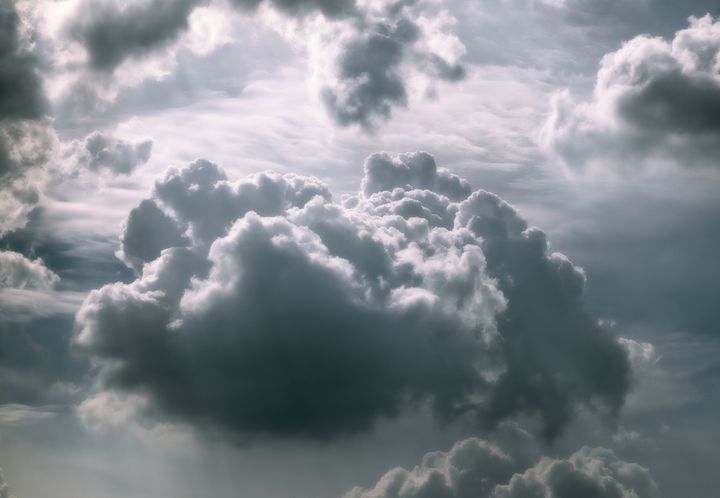
Artificial cloud systems refer to technologies and scientific methods used to influence certain atmospheric processes under suitable weather conditions. The most widely known approach is cloud seeding, a weather modification technique that introduces microscopic particles into existing clouds to encourage the formation of precipitation under favorable atmospheric conditions.


Cloud seeding has been studied and implemented for several decades by governments, research organizations, meteorological agencies, and water resource authorities. Applications include water resource management, agricultural support, snowpack enhancement, and research into atmospheric processes.

Modern weather modification combines meteorology, atmospheric physics, aircraft operations, radar systems, satellite observations, computer modeling, and environmental monitoring. It is important to note that cloud seeding cannot create clouds from clear skies or guarantee rainfall. Its effectiveness depends on existing cloud conditions and atmospheric factors.

This guide explores cloud seeding technology, weather modification methods, atmospheric science, equipment, and research developments from an educational perspective. It does not provide environmental, engineering, governmental, regulatory, or weather forecasting advice.

What Are Artificial Cloud Systems?

Artificial cloud systems are technologies designed to influence natural cloud processes under specific atmospheric conditions.

They are commonly associated with:

  • Cloud seeding
  • Weather modification research
  • Precipitation enhancement studies
  • Snowfall enhancement programs
  • Atmospheric observation
  • Meteorological research

These systems work only when suitable clouds are already present.

Understanding Cloud Seeding

Cloud seeding is a weather modification technique that introduces tiny particles into suitable clouds to encourage the growth of ice crystals or water droplets.

Its objectives may include:

  • Supporting rainfall under favorable conditions
  • Increasing snowfall in mountainous regions
  • Water resource management
  • Scientific atmospheric research

Results vary depending on weather conditions and cannot be guaranteed.

Basic Working Principle

Cloud seeding relies on natural cloud physics.

The general process includes:

  • Meteorologists identify suitable clouds.
  • Weather conditions are analyzed.
  • Seeding materials are released into clouds.
  • Microscopic particles interact with cloud moisture.
  • Water droplets or ice crystals may grow.
  • Under favorable conditions, precipitation may develop.

The process depends entirely on atmospheric conditions.

Conditions Required

Cloud seeding requires specific environmental conditions.

Important factors include:

  • Existing clouds
  • Adequate atmospheric moisture
  • Suitable temperature
  • Wind conditions
  • Cloud thickness
  • Cloud lifetime

Without these conditions, cloud seeding is generally ineffective.

Common Cloud Seeding Materials

Several materials have been used in cloud seeding research and operations.

Examples include:

Silver Iodide

One of the most widely used materials because its crystal structure resembles natural ice.

Sodium Chloride

Common salt particles may be used in warm-cloud seeding programs.

Potassium Chloride

Used in some weather modification projects.

Dry Ice

Solid carbon dioxide may be dispersed into certain cold clouds.

The choice of material depends on cloud type and atmospheric conditions.

Types of Cloud Seeding

Different techniques are used depending on weather conditions.

Static Cloud Seeding

Introduces particles into cold clouds to encourage ice crystal formation.

Dynamic Cloud Seeding

Attempts to enhance cloud development through more complex atmospheric processes.

Hygroscopic Cloud Seeding

Uses salt-based particles to encourage the growth of larger water droplets in warm clouds.

Each method is applied under specific meteorological conditions.

Aircraft-Based Cloud Seeding

Aircraft are among the most common platforms for cloud seeding.

Aircraft systems may include:

  • Wing-mounted flare dispensers
  • Particle release systems
  • Navigation equipment
  • Weather radar
  • GPS positioning
  • Meteorological sensors

Pilots operate according to planned flight paths and weather guidance.

Ground-Based Cloud Seeding

Some projects use stationary equipment located on the ground.

Ground systems may include:

  • Seeding generators
  • Weather monitoring stations
  • Automated control systems
  • Communication equipment

These systems release particles that are carried into clouds by atmospheric winds.

Weather Radar

Radar technology plays an important role in weather modification.

Radar helps meteorologists observe:

  • Cloud movement
  • Rain intensity
  • Storm development
  • Cloud structure
  • Wind patterns

This information supports operational planning.

Satellite Monitoring

Weather satellites provide valuable atmospheric observations.

Satellite imagery may show:

  • Cloud coverage
  • Moisture distribution
  • Storm systems
  • Temperature patterns
  • Atmospheric development

Satellite data complements radar and ground observations.

Meteorological Analysis

Before cloud seeding operations, meteorologists analyze numerous variables.

These include:

  • Humidity
  • Air temperature
  • Wind speed
  • Wind direction
  • Atmospheric stability
  • Cloud composition

Comprehensive analysis helps determine whether suitable conditions exist.

Atmospheric Science

Cloud seeding research contributes to the broader study of atmospheric processes.

Scientists investigate:

  • Cloud microphysics
  • Water vapor behavior
  • Ice crystal formation
  • Aerosol interactions
  • Precipitation mechanisms

These studies improve understanding of Earth's weather systems.

Artificial Intelligence in Weather Monitoring

AI technologies are increasingly used in meteorology.

Potential applications include:

  • Weather forecasting support
  • Cloud classification
  • Radar data analysis
  • Pattern recognition
  • Operational planning

AI assists meteorologists but does not replace scientific expertise.

Environmental Monitoring

Weather modification projects often include environmental monitoring.

Monitoring may involve:

  • Air quality observations
  • Water sampling
  • Atmospheric measurements
  • Weather station data
  • Long-term environmental studies

Research continues to evaluate environmental impacts using established scientific methods.

Applications

Cloud seeding has been explored for several purposes.

Examples include:

  • Water resource management
  • Agricultural support
  • Snowpack enhancement
  • Drought mitigation research
  • Hydroelectric reservoir management
  • Scientific studies

Success depends on favorable atmospheric conditions and varies between projects.

Limitations

Cloud seeding has important limitations.

These include:

  • Requires existing clouds
  • Cannot create weather systems
  • Cannot guarantee rainfall
  • Effectiveness varies
  • Weather remains influenced primarily by natural atmospheric processes

Researchers continue to study its effectiveness under different conditions.

Future Trends

Research continues to improve weather modification technologies.

Emerging developments include:

  • AI-assisted weather modeling
  • High-resolution atmospheric simulations
  • Advanced weather radar
  • Improved satellite monitoring
  • Automated cloud analysis
  • Drone-assisted atmospheric observations
  • Enhanced environmental monitoring
  • Better numerical weather prediction models

These innovations support ongoing atmospheric science research.

Frequently Asked Questions

What is cloud seeding?

Cloud seeding is a weather modification technique that introduces microscopic particles into suitable clouds to encourage natural precipitation processes under favorable atmospheric conditions.

Can cloud seeding create clouds?

No. Cloud seeding cannot create clouds from clear skies. It requires existing clouds with sufficient moisture and appropriate atmospheric conditions.

What materials are commonly used?

Silver iodide, sodium chloride, potassium chloride, and dry ice are among the materials used in different cloud seeding methods.

Does cloud seeding guarantee rainfall?

No. Cloud seeding does not guarantee rainfall. Its effectiveness depends on cloud characteristics, atmospheric conditions, and many natural weather variables.

Is cloud seeding used worldwide?

Yes. Various countries have conducted cloud seeding research or operational programs for purposes such as water resource management, snowfall enhancement, and scientific studies, subject to local regulations and environmental assessments.

Conclusion

Artificial cloud systems and cloud seeding technology represent an intersection of atmospheric science, meteorology, and environmental research. By combining weather observations, aircraft operations, radar systems, satellite monitoring, and scientific analysis, researchers continue to investigate methods for influencing precipitation under suitable natural conditions.

Although cloud seeding cannot create weather or guarantee rainfall, it remains an active area of scientific study and operational use in some regions. Ongoing advances in AI, remote sensing, numerical weather prediction, and atmospheric monitoring continue to improve understanding of cloud behavior and weather modification technologies.

Disclaimer

This article is intended solely for informational and educational purposes. It does not provide weather forecasting, environmental, engineering, governmental, legal, regulatory, or professional meteorological advice. It does not endorse, recommend, compare, rank, review, market, or promote any weather modification program, technology provider, equipment manufacturer, or government agency. The effectiveness, environmental impact, regulatory approval, and operational practices of cloud seeding vary by country, region, atmospheric conditions, and scientific methodology. Readers should consult official meteorological agencies and qualified atmospheric scientists for authoritative information regarding weather modification and local weather conditions.


author-image

Ravi Shankar Maurya

We create purposeful content that speaks, resonates, and drives action.

July 06, 2026 . 9 min read