Introduction to Construction Materials and Their Uses
Construction materials are the foundation of modern buildings, roads, bridges, factories, and public infrastructure. From traditional materials such as concrete and steel to modern smart building materials, these products shape how residential, commercial, and industrial structures are designed and maintained. In recent years, industrial construction materials and green building materials have gained attention due to sustainability goals, energy efficiency standards, and technological advancements in the construction sector.
Commercial Construction projects often depend on durable and efficient materials that can support long-term structural performance. At the same time, construction material procurement has become more organized through digital platforms, inventory tracking systems, and supply chain planning. Commercial construction materials suppliers now work closely with architects, contractors, and developers to ensure projects meet environmental standards, safety regulations, and modern construction needs.
Context – Understanding Construction Materials and Their Purpose
Construction materials refer to the substances and components used in building structures and infrastructure. These materials can include concrete, cement, steel, glass, wood, bricks, insulation products, and advanced composites. Their main purpose is to provide strength, durability, safety, and functionality in construction projects.
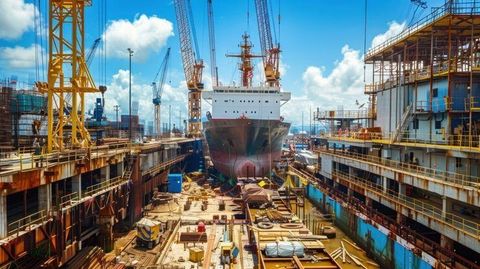
Industrial construction materials are commonly used in factories, warehouses, transportation systems, and energy facilities. These materials are designed to withstand heavy loads, environmental pressure, and long operational periods. In contrast, luxury construction materials are often selected for aesthetics, comfort, and architectural design in premium residential and commercial properties.
Traditional and Modern Material Categories
Construction materials are generally divided into several categories:
- Structural materials such as steel, concrete, and reinforced cement
- Finishing materials including tiles, paint, flooring, and glass
- Sustainable and green building materials designed for lower environmental impact
- Smart building materials with technology-enabled features
- Insulation and energy-efficiency products
Modern projects increasingly combine traditional durability with technological innovation. Smart building materials can improve temperature control, monitor structural conditions, and support automated building systems.
Common Construction Materials and Their Uses
| Material Type | Main Use | Key Feature |
|---|---|---|
| Concrete | Foundations and walls | High durability |
| Steel | Structural frameworks | Strong load capacity |
| Glass | Windows and facades | Natural lighting |
| Wood | Residential interiors | Flexible and lightweight |
| Bricks | Exterior walls | Thermal insulation |
| Composite Panels | Commercial buildings | Modern appearance |
| Green Building Materials | Sustainable projects | Reduced environmental impact |
Construction material procurement involves selecting and managing these materials according to project requirements, environmental conditions, and building regulations. Procurement teams also evaluate storage, transportation, and long-term material performance.
Importance – Why Construction Materials Matter
Construction materials influence almost every aspect of the built environment. The quality and type of materials used can affect building safety, energy efficiency, maintenance requirements, and environmental impact.
Commercial Construction projects rely heavily on reliable material selection because office buildings, shopping centers, hospitals, and industrial facilities often require long-term structural stability. Commercial construction materials suppliers help coordinate material availability, compliance documentation, and technical specifications for these projects.
Green building materials are becoming increasingly important due to environmental concerns and government sustainability targets. These materials are designed to reduce waste, improve energy efficiency, and lower carbon emissions during construction and operation.
Impact on Different Sectors
Different industries depend on construction materials in various ways:
- Residential housing projects require affordability and safety
- Industrial facilities prioritize durability and resistance
- Commercial buildings focus on efficiency and long-term performance
- Public infrastructure projects require weather-resistant materials
- Educational and healthcare facilities often prioritize sustainable construction
Luxury construction materials also play an important role in high-end architecture. Materials such as engineered stone, advanced glass systems, premium wood finishes, and decorative metal components are commonly used to improve aesthetics and durability.
The increasing use of smart building materials has also changed how modern structures operate. Some advanced materials can regulate indoor temperatures, improve acoustic performance, or support automated energy systems. These developments contribute to energy conservation and improved building management.
Recent Updates – Trends and Developments from 2024–2026
The construction industry has experienced significant changes between 2024 and 2026. Environmental regulations, digital transformation, and material innovation continue to shape the market.
One major trend is the rapid adoption of green building materials. Governments and private organizations are encouraging lower-carbon construction methods through sustainability frameworks and energy-efficiency standards. Recycled steel, low-carbon concrete, and renewable insulation materials are increasingly used in large projects.
Smart building materials are also expanding in both commercial and residential construction. These materials may include self-healing concrete, solar-integrated glass panels, moisture-sensitive coatings, and sensor-enabled structural systems. Their purpose is to improve maintenance planning, energy performance, and building lifespan.
Digital systems have also improved construction material procurement processes. Many organizations now use:
- Cloud-based inventory tracking
- Digital procurement platforms
- Material lifecycle management software
- Real-time supply chain monitoring systems
- Automated forecasting tools
Commercial construction materials suppliers have adapted by improving logistics coordination and material transparency. This helps contractors track material availability, environmental certifications, and compliance requirements more efficiently.
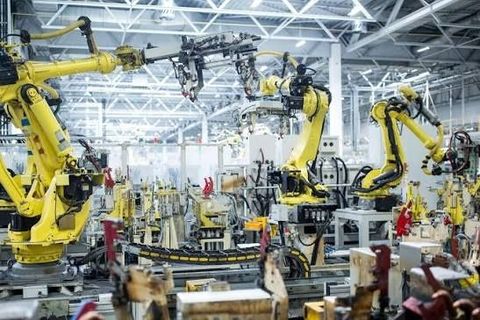
Another important trend is modular construction. Factories now manufacture certain building components in controlled environments before transportation to construction sites. This process often reduces material waste and shortens project timelines.
Industrial construction materials are also evolving to support renewable energy infrastructure, advanced manufacturing facilities, and transportation projects. High-performance concrete, corrosion-resistant steel, and energy-efficient insulation systems are becoming more common in industrial developments.
Laws or Policies – Regulations and Government Standards
Construction materials are regulated through building codes, environmental policies, and safety standards. These regulations help ensure that buildings remain structurally safe, energy efficient, and environmentally responsible.
Many countries have introduced stricter environmental guidelines related to green building materials and emissions reduction. Construction projects may now require environmental impact assessments, sustainable sourcing documentation, and energy-efficiency certifications.
Some common regulatory areas include:
| Regulation Area | Purpose |
| Building Safety Codes | Structural stability and occupant safety |
| Fire Resistance Standards | Material fire performance requirements |
| Environmental Regulations | Reduced pollution and waste |
| Energy Efficiency Policies | Lower energy consumption |
| Material Certification Rules | Quality verification and compliance |
Commercial Construction projects often require compliance with local zoning laws, occupational safety regulations, and material certification standards. Commercial construction materials suppliers typically provide technical documentation to demonstrate compliance with these requirements.
Construction material procurement teams also monitor international standards such as:
- ISO quality management standards
- Environmental certification systems
- Sustainable sourcing guidelines
- Occupational safety regulations
- Material testing standards
In several regions, governments now encourage the use of green building materials through tax incentives, sustainability programs, and environmental certification systems. These initiatives support reduced carbon emissions and improved resource efficiency.
Smart building materials may also be subject to technology integration and cybersecurity regulations, particularly when connected to digital building management systems.
Tools and Resources – Useful Platforms and Industry Support
Modern construction projects use a variety of digital tools and planning resources to manage materials, compliance, and project coordination. These tools support efficiency, accuracy, and long-term project planning.
Construction material procurement systems help organizations manage supplier communication, inventory forecasting, and documentation. Many platforms now include automated reporting and analytics features.
Useful construction-related resources often include:
- Building code reference databases
- Material quantity calculators
- Environmental assessment tools
- Digital procurement management systems
- Construction scheduling software
- Sustainability certification platforms
Commercial construction materials suppliers also use digital catalogs and technical specification systems to organize product information and compliance records.
Green building materials databases are increasingly important for architects and project managers who need to evaluate environmental performance. These databases may include information about recycled content, thermal performance, and carbon emissions.
Smart building materials often require specialized planning tools that can integrate with automated building systems. Engineers and designers may use simulation software to analyze energy performance, indoor climate conditions, and structural behavior.
Educational institutions and professional organizations also provide training resources related to:
- Sustainable construction practices
- Material testing procedures
- Building information modeling
- Safety compliance
- Industrial construction materials applications
These resources help improve knowledge across the construction industry and support better long-term project outcomes.
FAQs
What are green building materials?
Green building materials are construction products designed to reduce environmental impact. They may include recycled materials, renewable resources, or products that improve energy efficiency.
Why are smart building materials important?
Smart building materials can improve energy management, structural monitoring, and indoor comfort. Some materials also help reduce maintenance needs over time.
What is construction material procurement?
Construction material procurement is the process of selecting, sourcing, tracking, and managing materials required for a construction project.
How do industrial construction materials differ from residential materials?
Industrial construction materials are generally designed for heavy-duty applications, large-scale facilities, and demanding environmental conditions.
Why do Commercial Construction projects require strict material standards?
Commercial Construction projects often involve public access, large occupancy levels, and long-term operational use, so materials must meet safety, durability, and efficiency standards.
Conclusion
Construction materials continue to evolve as technology, sustainability goals, and infrastructure demands change across the world. From traditional concrete and steel to advanced smart building materials, modern construction depends on reliable and efficient material selection. Green building materials and improved construction material procurement systems are helping organizations reduce environmental impact while improving project efficiency. Commercial Construction and industrial development projects increasingly rely on innovation, regulatory compliance, and long-term performance planning to meet modern building requirements.