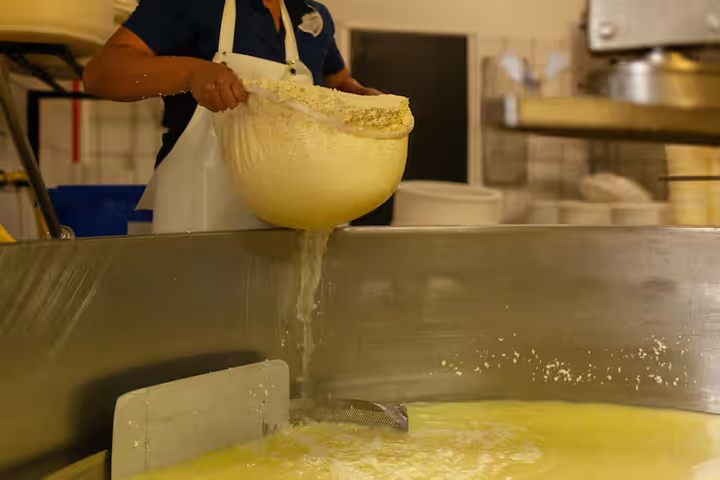
Insights Into Cheese Making Machines, Components, and Automation Trends
Cheese making machines are specialized food processing equipment designed to support the transformation of milk into different varieties of cheese through controlled mechanical and automated processes. These machines help manage important stages such as milk preparation, coagulation, curd handling, pressing, salting, and aging preparation.
The purpose of cheese making machines is to improve consistency, hygiene, productivity, and quality control during cheese production. Modern dairy facilities use advanced machinery to maintain accurate temperature, mixing speed, moisture levels, and processing conditions.
Cheese production has evolved from traditional manual techniques into highly controlled dairy manufacturing systems. Today, industrial machinery integrates automation, sensors, and digital monitoring to improve efficiency while following strict food safety requirements.
How Cheese Making Machines Work
Cheese making machines operate through multiple connected stages that replicate and improve traditional cheese production methods. Each stage focuses on maintaining specific conditions required for creating different cheese textures and flavors.
The general working process includes:
- Milk preparation: Raw or processed milk is filtered and prepared according to production requirements.
- Heating and pasteurization: Controlled heating removes unwanted microorganisms and prepares milk for processing.
- Coagulation: Enzymes or cultures are introduced to separate milk into curds and whey.
- Curd processing: Machines cut, mix, and handle curds to achieve the desired texture.
- Pressing: Mechanical systems remove excess moisture and shape cheese blocks or forms.
- Salting and finishing: Automated systems help distribute salt and prepare cheese for further stages.
The machine structure depends on the type of cheese being produced. Soft cheeses, hard cheeses, processed cheeses, and specialty varieties may require different processing equipment and settings.
Importance of Cheese Making Machines in Dairy Production
Cheese making machines play an important role in modern dairy processing because they help create stable and repeatable production results. Manual methods can have variations caused by environmental conditions, handling differences, and inconsistent processing times.
Key benefits include:
- Improved production accuracy through controlled processing parameters
- Better hygiene management with stainless steel food-grade designs
- Reduced manual handling during critical processing stages
- Enhanced monitoring through automation systems
- Consistent texture, moisture, and quality standards
These machines also help dairy businesses address challenges such as increasing production demands, strict food safety requirements, and the need for efficient resource management.
Key Components of Cheese Making Machines
Cheese making systems contain several important components that work together to complete the production process.
Main Components
- Processing tanks: Used for heating, mixing, and coagulation of milk.
- Agitation systems: Maintain uniform mixing and help achieve consistent curd formation.
- Temperature control units: Regulate heating and cooling conditions.
- Cutting mechanisms: Separate curds into required sizes.
- Pressing systems: Remove whey and create desired cheese shapes.
- Filtration units: Support cleanliness and product quality.
- Control panels: Allow operators to monitor and adjust machine functions.
- Cleaning systems: Support sanitation procedures between production cycles.
Modern systems often include programmable controls, digital displays, and automated monitoring features to improve operational management.
Types of Cheese Making Machines
Different cheese varieties require different types of processing equipment. Machine selection depends on production scale, cheese characteristics, and processing methods.
| Machine Type | Main Function | Common Applications |
|---|---|---|
| Cheese Vats | Milk heating and curd formation | Soft and hard cheese production |
| Cheese Press Machines | Moisture removal and shaping | Block and specialty cheeses |
| Curd Processing Machines | Cutting and mixing curds | Large-scale dairy operations |
| Cheese Filling Systems | Portion control and packaging preparation | Processed cheese products |
| Automated Dairy Processing Lines | Integrated production stages | Industrial cheese manufacturing |
Some facilities combine multiple machines into complete dairy automation systems to manage the entire production workflow.
Real-World Applications of Cheese Making Machines
Cheese making machines are used across different areas of the food industry. Their applications range from small dairy processing units to large industrial food production facilities.
Common applications include:
- Production of cheddar, mozzarella, gouda, parmesan, and other cheese varieties
- Dairy processing plants focused on consistent output
- Food manufacturing facilities using cheese ingredients
- Research and development laboratories testing new cheese formulations
- Specialty dairy producers creating regional cheese products
These machines help solve production challenges related to quality variation, hygiene control, and increasing demand for processed dairy products.
Features of Modern Cheese Making Machines
Recent developments in food processing technology have introduced advanced features that improve control and monitoring.
Important features include:
- Automated temperature regulation
- Digital process monitoring
- Stainless steel construction for hygiene requirements
- Energy-efficient heating systems
- Programmable production settings
- Automated cleaning technologies
- Data tracking and reporting capabilities
Industrial Internet of Things (IIoT) technology is also becoming more common in dairy processing. Connected sensors can collect operational information and support better decision-making.
Recent Trends and Developments in Cheese Processing Technology
During 2025 and 2026, dairy processing technology continued moving toward automation, sustainability, and improved resource management. Manufacturers have focused on developing smarter systems that reduce waste and improve production control.
Recent developments include:
- Increased use of smart sensors for real-time monitoring
- Greater adoption of automated cleaning systems
- Improved energy management in food processing equipment
- Integration of digital control platforms in dairy facilities
- Development of flexible machinery for multiple cheese varieties
Sustainable manufacturing practices are also influencing equipment design. Many modern systems focus on reducing water usage, improving energy efficiency, and optimizing raw material utilization.
Food Safety Standards and Regulations
Cheese production requires compliance with strict food safety guidelines to protect product quality and consumer health. Regulations vary by region, but most dairy operations follow similar principles related to hygiene, sanitation, and quality management.
Important areas include:
- Food-grade materials for machine construction
- Proper cleaning and sanitation procedures
- Temperature control during processing
- Microbial testing and quality monitoring
- Traceability of production information
Organizations involved in dairy processing commonly follow standards from regulatory bodies such as the U.S. Food and Drug Administration (FDA), European food safety authorities, and national food safety organizations.
Facilities may also implement systems based on Hazard Analysis and Critical Control Points (HACCP) principles to identify and manage potential risks during cheese production.
Useful Tools and Learning Resources
Understanding cheese making machines requires knowledge of dairy science, food engineering, and industrial automation.
Useful resources include:
- Dairy technology textbooks and educational publications
- Food processing engineering courses
- Industrial automation training materials
- Food safety management guidelines
- Dairy research publications
- Equipment operation manuals
Digital learning platforms and professional organizations related to food technology can also help individuals understand modern dairy manufacturing methods.
Factors Affecting Machine Selection
Selecting suitable cheese processing equipment depends on several technical considerations.
Important factors include:
- Type of cheese production
- Required processing capacity
- Level of automation needed
- Available production space
- Hygiene requirements
- Maintenance requirements
- Compatibility with existing dairy systems
A proper evaluation helps organizations choose equipment that matches their operational goals and production requirements.
Challenges in Using Cheese Making Machines
Although modern machinery improves dairy production, operators must manage several challenges.
Common challenges include:
- Regular maintenance requirements
- Need for trained technical knowledge
- Managing complex automation systems
- Ensuring proper cleaning procedures
- Adapting equipment for different cheese varieties
Proper machine operation, routine inspection, and staff training help maintain reliable performance.
Frequently Asked Questions
What are cheese making machines used for?
Cheese making machines are used to automate and control different stages of cheese production, including milk processing, curd formation, pressing, and preparation.
Which materials are commonly used in cheese making machines?
Most food processing machines use stainless steel because it provides durability, hygiene support, and resistance to corrosion.
Can cheese making machines produce different cheese varieties?
Yes. Many machines can be adjusted for different cheese types by changing processing settings such as temperature, mixing, and moisture control.
How does automation improve cheese production?
Automation improves consistency by controlling important factors such as temperature, timing, mixing speed, and production records.
What maintenance is required for cheese making machines?
Maintenance usually includes cleaning, inspection of mechanical parts, checking control systems, and following manufacturer guidelines for machine care.
Conclusion
Cheese making machines are an important part of modern dairy processing technology. They combine mechanical systems, automation, and food safety practices to support consistent cheese production across different industries.
From small-scale dairy operations to large manufacturing facilities, these machines help improve process control, hygiene, and production efficiency. Advances in digital monitoring, smart sensors, and sustainable designs continue to shape the future of cheese processing equipment.
Understanding machine types, components, applications, and technology trends helps organizations make informed decisions about dairy production systems and modern food manufacturing practices.