Industrial Pumps and Compressors: Explore Technologies, Types, and Trends
Industrial pumps and compressors are critical pieces of equipment used across manufacturing, energy, chemical processing, water treatment, mining, food production, and many other sectors. These systems help move liquids, gases, and other materials efficiently through industrial processes.
While pumps are designed to transport liquids and slurries, compressors increase the pressure of gases and air. Together, they support countless operations that require fluid handling, pressure control, circulation, cooling, cleaning, and process automation.
As industries continue adopting advanced automation and energy-efficiency measures, industrial pumps and compressors remain essential components of modern infrastructure and production environments.
Understanding Industrial Pumps and Compressors
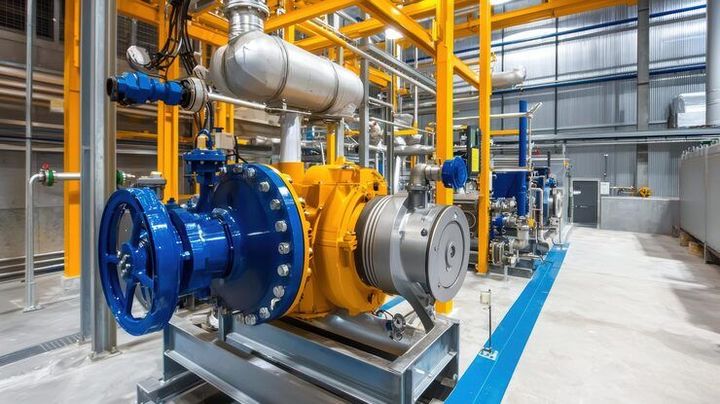
Industrial pumps transfer liquids from one location to another by converting mechanical energy into fluid movement. They are commonly used for water circulation, chemical transfer, wastewater management, and cooling operations.
Compressors perform a different function. They increase the pressure of gases by reducing their volume. Compressed air and gas systems power machinery, pneumatic tools, industrial controls, refrigeration systems, and production equipment.
Both technologies play a major role in maintaining reliable industrial processes and ensuring operational efficiency.
How Industrial Pumps and Compressors Work
Pumps create flow through mechanical action. An electric motor, engine, or turbine drives components such as impellers, diaphragms, or pistons that move liquid through pipelines.
Compressors draw in air or gas, compress it within a chamber, and discharge it at a higher pressure. This pressurized gas can then be stored or delivered directly to industrial applications.
The operating principles differ depending on equipment design, but the objective remains the same: efficient movement and control of fluids or gases.
Main Differences Between Pumps and Compressors
| Feature | Industrial Pumps | Industrial Compressors |
|---|---|---|
| Medium Handled | Liquids and slurries | Gases and air |
| Primary Function | Move fluid | Increase gas pressure |
| Common Industries | Water treatment, chemical processing, manufacturing | Manufacturing, energy, refrigeration, automation |
| Energy Conversion | Mechanical energy to fluid flow | Mechanical energy to pressure energy |
| Typical Output | Flow rate | Pressure and airflow |
Common Types of Industrial Pumps
Centrifugal Pumps
- Use rotating impellers to generate fluid flow
- Suitable for high-flow applications
- Widely used in water treatment and manufacturing facilities
- Relatively simple design with continuous operation capability
Positive Displacement Pumps
- Move fixed amounts of liquid per cycle
- Provide consistent flow rates
- Effective for high-viscosity fluids
- Common in chemical and oil processing operations
Diaphragm Pumps
- Utilize flexible diaphragms to move liquids
- Suitable for corrosive and hazardous materials
- Frequently used in chemical handling environments
Gear Pumps
- Use rotating gears to transfer fluids
- Ideal for lubricants and oils
- Common in industrial machinery systems
Submersible Pumps
- Operate while submerged in liquid
- Used in wastewater and drainage applications
- Reduce cavitation risks
Common Types of Industrial Compressors
Reciprocating Compressors
- Use pistons to compress air or gas
- Suitable for high-pressure applications
- Common in industrial plants and workshops
Rotary Screw Compressors
- Utilize interlocking screws
- Deliver continuous compressed air
- Widely used in manufacturing facilities
Centrifugal Compressors
- Employ high-speed rotating impellers
- Suitable for large-scale industrial operations
- Common in energy and petrochemical sectors
Scroll Compressors
- Use spiral-shaped elements
- Produce low noise and vibration
- Found in HVAC and refrigeration systems
Axial Compressors
- Compress air through multiple rotating stages
- Used in large industrial and power-generation applications
Key Components of Industrial Pump Systems
Core Components
- Electric motors
- Impellers
- Pump casings
- Bearings
- Seals
- Shafts
- Couplings
- Control systems
Supporting Equipment
- Valves
- Pressure gauges
- Flow meters
- Filters
- Monitoring sensors
- Piping networks
These components work together to ensure reliable fluid transportation and process control.
Key Components of Industrial Compressor Systems
Core Components
- Air intake systems
- Compression chambers
- Rotors or pistons
- Cooling systems
- Lubrication systems
- Pressure vessels
Supporting Equipment
- Air dryers
- Filters
- Pressure regulators
- Sensors
- Automation controllers
- Safety devices
Proper integration of these components improves efficiency and operational reliability.
Importance Across Industries
Industrial pumps and compressors support critical operations throughout modern industry.
Manufacturing
- Machine cooling
- Hydraulic operations
- Pneumatic systems
- Material transfer
Water and Wastewater Treatment
- Water distribution
- Filtration processes
- Sludge handling
- Wastewater management
Oil and Gas
- Fluid transportation
- Pipeline operations
- Gas compression
- Refinery processing
Chemical Processing
- Chemical transfer
- Mixing systems
- Process circulation
- Storage operations
Food and Beverage Production
- Product movement
- Cleaning systems
- Packaging operations
- Refrigeration support
Energy and Utilities
- Boiler feed systems
- Cooling water circulation
- Power generation support
- Environmental control systems
Problems These Systems Help Solve
Industrial pumps and compressors address several operational challenges.
Operational Benefits
- Efficient fluid movement across facilities
- Reliable pressure generation
- Reduced manual handling requirements
- Improved production consistency
- Enhanced process automation
- Better resource utilization
Performance Improvements
- Increased productivity
- Reduced downtime
- Better process control
- Improved system reliability
- Support for continuous operations
Without these systems, many industrial processes would become inefficient or impractical.
Energy Efficiency and Sustainability
Energy consumption remains a major concern in industrial operations. Pumps and compressors often account for a significant portion of facility electricity usage.
Energy-Efficient Features
- Variable frequency drives (VFDs)
- Smart motor controls
- Advanced monitoring systems
- High-efficiency impeller designs
- Leak detection technologies
- Predictive maintenance platforms
Organizations increasingly focus on optimizing equipment performance to reduce energy consumption and environmental impact.
Recent Trends and Developments (2025–2026)
The industrial equipment sector has experienced significant technological advancement during the past year.
Smart Monitoring Technologies
- Expansion of Industrial Internet of Things (IIoT) platforms
- Real-time performance monitoring
- Cloud-connected diagnostics
- Automated reporting systems
Predictive Maintenance
- AI-powered maintenance analytics
- Sensor-based condition monitoring
- Early fault detection
- Reduced unexpected equipment failures
Advanced Automation
- Integration with industrial automation equipment
- Remote equipment management
- Digital control platforms
- Automated process optimization
Sustainability Initiatives
- Higher-efficiency motor technologies
- Reduced energy consumption targets
- Improved compressor heat recovery systems
- Enhanced environmental performance monitoring
Digital Twin Technology
- Virtual equipment modeling
- Performance simulation
- Lifecycle optimization
- Maintenance planning support
Throughout 2025 and early 2026, manufacturers have continued investing in intelligent fluid handling systems and compressed air technologies that support operational efficiency and sustainability goals.
Regulations and Industry Standards
Industrial pumps and compressors are often governed by safety, environmental, and performance standards.
Common Standards and Regulations
- ISO 9001 quality management requirements
- ISO 50001 energy management standards
- ISO 1217 compressor performance testing standards
- API standards for oil and gas equipment
- ASME pressure vessel requirements
- Occupational safety regulations for industrial facilities
Organizations must ensure proper installation, inspection, operation, and maintenance to comply with applicable regulations.
Useful Tools and Learning Resources
Industry Resources
- Engineering handbooks
- Equipment manufacturer technical documentation
- Industry standards publications
- Maintenance management software
- Energy monitoring systems
Digital Learning Platforms
- Engineering training portals
- Industrial automation learning platforms
- Technical certification programs
- Fluid dynamics educational resources
- Equipment operation training modules
These resources help professionals improve knowledge of industrial pump systems and air compressor technology.
FAQs
What is the primary difference between a pump and a compressor?
A pump moves liquids from one location to another, while a compressor increases the pressure of gases or air for industrial use.
Which industries use industrial pumps and compressors most frequently?
Manufacturing, water treatment, energy production, oil and gas, chemical processing, mining, and food production are among the largest users.
Why is energy efficiency important for these systems?
Pumps and compressors consume substantial amounts of electricity. Efficient equipment helps reduce energy consumption, operating expenses, and environmental impact.
What is predictive maintenance?
Predictive maintenance uses sensors, analytics, and monitoring technologies to identify potential issues before equipment failures occur.
How do smart monitoring systems improve performance?
Smart monitoring systems provide real-time operational data, helping operators detect inefficiencies, schedule maintenance, and improve equipment reliability.
Conclusion
Industrial pumps and compressors are foundational technologies that support modern industrial operations. Pumps enable efficient liquid transfer, while compressors generate the pressurized air and gases required for numerous industrial processes. Their applications span manufacturing, energy, water treatment, chemical production, and many other sectors.
Recent developments in automation, predictive maintenance, energy-efficient design, and Industrial Internet of Things technologies have significantly enhanced equipment performance and reliability. As industries continue pursuing sustainability and operational efficiency, advanced industrial pump systems and compressor technologies will remain vital to supporting safe, productive, and efficient industrial environments.