Industrial Machinery Tools Guide: Types, Functions & Insights
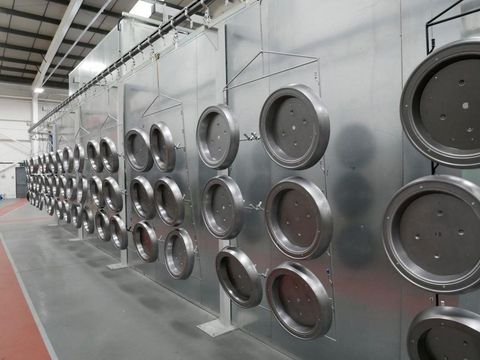
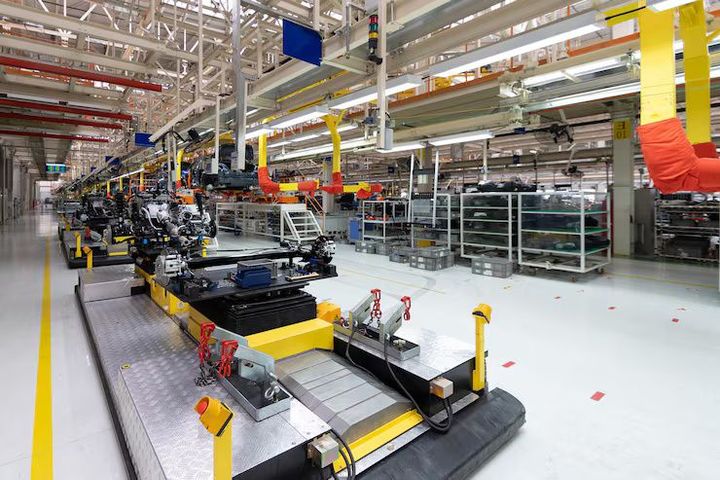
Industrial machinery tools are specialized devices, equipment, and systems used in manufacturing, fabrication, construction, processing, and maintenance activities. These tools help industries perform tasks with greater precision, consistency, efficiency, and safety.
The development of industrial machinery tools began during the Industrial Revolution when manual labor gradually shifted toward machine-assisted production. Over time, technological advancements introduced automated systems, computer-controlled equipment, and smart manufacturing solutions.
Today, industrial machinery tools support countless industries, including automotive manufacturing, aerospace production, metal fabrication, food processing, pharmaceuticals, electronics, and construction. They exist to improve productivity, reduce human error, maintain quality standards, and handle tasks that may be difficult or unsafe for manual workers.
Industrial machinery tools vary significantly depending on their purpose. Some are designed for cutting materials, while others focus on shaping, measuring, lifting, assembling, or monitoring production processes.
Common Types of Industrial Machinery Tools
| Tool Category | Primary Function | Common Applications |
|---|---|---|
| Cutting Tools | Remove material from workpieces | Metalworking, fabrication |
| Drilling Tools | Create holes and openings | Manufacturing, construction |
| Grinding Tools | Surface finishing and polishing | Precision engineering |
| Measuring Tools | Quality inspection and accuracy | Production control |
| Material Handling Tools | Move heavy materials | Warehousing, logistics |
| CNC Tools | Automated machining operations | Industrial manufacturing |
| Welding Tools | Join materials together | Construction, automotive |
Basic Industrial Workflow
Raw Materials
      ↓
Cutting & Shaping
      ↓
Machining & Processing
      ↓
Assembly
      ↓
Inspection & Testing
      ↓
Finished Product
Why Industrial Machinery Tools Matter Today
Industrial machinery tools play a critical role in modern economies. As industries face increasing demand for quality products, faster production cycles, and higher safety standards, these tools help meet operational requirements efficiently.
One major benefit is improved productivity. Automated and precision-based machinery can perform repetitive tasks continuously while maintaining consistent quality levels. This allows industries to achieve reliable production outcomes.
Safety is another important factor. Many industrial tasks involve high temperatures, heavy materials, sharp components, or hazardous environments. Machinery tools reduce direct exposure to such risks and support safer workplaces.
Industrial machinery tools also contribute to sustainability efforts. Modern systems often use advanced monitoring technologies that help reduce waste, improve energy efficiency, and optimize resource utilization.
Industries Most Affected
Industrial machinery tools impact numerous sectors, including:
- Manufacturing and production
- Automotive assembly
- Aerospace engineering
- Construction projects
- Mining operations
- Food and beverage processing
- Pharmaceutical production
- Renewable energy development
- Electronics manufacturing
Key Problems They Help Solve
- Production inefficiencies
- Material wastage
- Quality control challenges
- Workplace safety concerns
- Inconsistent manufacturing results
- Equipment downtime
- Labor-intensive processes
As industries continue to evolve, machinery tools remain essential for maintaining operational reliability and competitiveness.
Recent Updates and Industry Trends
The industrial machinery sector has experienced significant technological developments throughout 2025 and early 2026. Several trends are reshaping how machinery tools are designed, monitored, and utilized.
Growth of Smart Manufacturing
Throughout 2025, industries increasingly adopted smart manufacturing systems. These systems use sensors, data collection technologies, and connected equipment to monitor machinery performance in real time.
Smart machinery tools can provide insights into:
- Equipment health
- Production efficiency
- Energy consumption
- Maintenance requirements
- Quality control metrics
Expansion of Artificial Intelligence Applications
During 2025, artificial intelligence became more integrated into industrial operations. AI-assisted monitoring systems help identify performance issues before they lead to equipment failures.
Common AI-supported functions include:
- Predictive maintenance
- Process optimization
- Defect detection
- Production planning
- Equipment monitoring
Increased Focus on Energy Efficiency
In 2025 and 2026, organizations continued investing in energy-efficient machinery technologies. Manufacturers are increasingly designing equipment with lower power consumption and improved operational performance.
Digital Twin Technology
Digital twin adoption expanded across industrial environments during the past year. A digital twin is a virtual representation of physical machinery that allows operators to simulate performance, monitor operations, and test improvements without disrupting production.
Greater Automation Integration
Automation remains one of the strongest industry trends. Robotic systems and automated machinery tools are increasingly working alongside human operators to improve productivity and reduce repetitive manual tasks.
Recent Industry Trend Summary
| Trend | Impact |
|---|---|
| Smart Manufacturing | Better monitoring and efficiency |
| Artificial Intelligence | Improved maintenance and analytics |
| Energy Efficiency | Reduced resource consumption |
| Digital Twins | Enhanced simulation and planning |
| Automation | Increased productivity and consistency |
Laws and Policies Affecting Industrial Machinery Tools
Industrial machinery tools are subject to various regulations designed to protect workers, ensure equipment safety, and support environmental sustainability.
The specific requirements vary by country, but several common regulatory areas influence industrial machinery operations worldwide.
Workplace Safety Regulations
Most countries require industrial equipment to meet established safety standards. These regulations often cover:
- Emergency stop mechanisms
- Machine guarding systems
- Operator protection measures
- Safety training requirements
- Risk assessment procedures
Organizations are generally responsible for ensuring machinery is maintained properly and operated according to safety guidelines.
Environmental Compliance Requirements
Governments increasingly emphasize environmental responsibility in industrial operations. Machinery tools may be subject to regulations involving:
- Energy efficiency standards
- Emissions reduction measures
- Waste management procedures
- Resource conservation practices
Equipment Inspection and Certification
Many industrial sectors require periodic equipment inspections to verify operational safety and compliance.
Inspection programs often evaluate:
- Mechanical integrity
- Electrical safety
- Performance reliability
- Maintenance records
Manufacturing Quality Standards
Industries commonly follow internationally recognized quality management frameworks. These standards help ensure machinery tools support consistent production processes and product quality.
Government Industry Modernization Programs
Many governments continue supporting industrial modernization through initiatives focused on:
- Digital transformation
- Smart manufacturing adoption
- Advanced automation technologies
- Energy-efficient equipment
- Workforce development
These programs encourage industries to modernize operations while maintaining safety and environmental standards.
Useful Tools and Resources
Professionals working with industrial machinery often rely on various resources to improve operational planning, maintenance, and training.
Machinery Monitoring Platforms
These systems help track:
- Equipment performance
- Production output
- Maintenance schedules
- Operational efficiency
Maintenance Planning Templates
Maintenance templates support organized equipment management by documenting:
- Inspection schedules
- Repair history
- Component replacement records
- Safety checks
Industrial Calculators
Common industrial calculators assist with:
- Load calculations
- Power requirements
- Material consumption estimates
- Production capacity planning
- Energy usage analysis
Technical Documentation Systems
Digital documentation platforms help store:
- Equipment manuals
- Maintenance procedures
- Operating instructions
- Safety guidelines
Training Resources
Industrial professionals frequently use:
- Online learning modules
- Technical guides
- Safety training materials
- Equipment simulation programs
- Industry certification resources
Performance Tracking Dashboards
These dashboards provide visual reporting for:
- Production metrics
- Downtime analysis
- Maintenance performance
- Equipment utilization rates
Frequently Asked Questions
What are industrial machinery tools?
Industrial machinery tools are specialized equipment used to manufacture, process, assemble, measure, or handle materials in industrial environments. They support efficient and consistent production processes.
What industries use industrial machinery tools?
These tools are widely used in manufacturing, construction, mining, automotive production, aerospace engineering, food processing, pharmaceuticals, and energy sectors.
What is the difference between machinery and tools?
Machinery generally refers to larger systems that perform industrial operations, while tools are specific devices or components used to carry out particular tasks within those systems.
Why is preventive maintenance important?
Preventive maintenance helps identify potential issues before failures occur. This improves equipment reliability, reduces downtime, and supports safer operations.
How are industrial machinery tools changing today?
Modern industrial machinery tools increasingly incorporate automation, artificial intelligence, smart sensors, predictive maintenance systems, and digital monitoring technologies to improve efficiency and performance.
Conclusion
Industrial machinery tools remain fundamental to modern industrial operations. From manufacturing and construction to energy production and logistics, these tools help organizations achieve efficiency, precision, safety, and consistency.