Heat Pump Thermostats: Complete Guide to Types, Features, Compatibility, Installation, and Maintenance
Heat pumps have become a popular heating and cooling solution for residential and commercial buildings because they provide year-round temperature control using a single system.
To operate efficiently, these systems rely on heat pump thermostats that accurately control heating, cooling, and auxiliary functions.
Choosing the right heat pump thermostat helps maintain indoor comfort, supports efficient HVAC operation, and provides convenient temperature management. Understanding how these thermostats work and the features they offer can help homeowners and facility managers make informed decisions.
What Is a Heat Pump Thermostat?
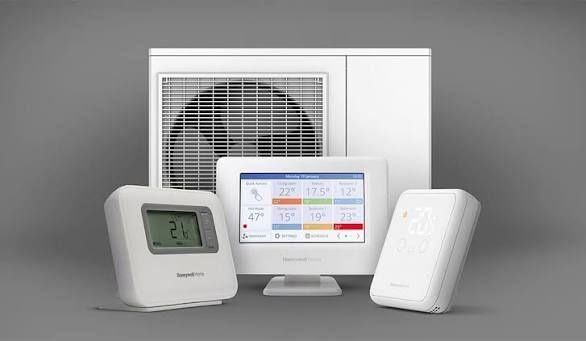
A heat pump thermostat is a control device specifically designed to operate heat pump systems. Unlike conventional thermostats, heat pump thermostats are built to manage both heating and cooling cycles while controlling auxiliary or emergency heat when required.
Many modern models also include programmable schedules, wireless connectivity, remote access, and smart home integration.
How Heat Pump Thermostats Work
A heat pump transfers heat rather than generating it directly. During colder months, it moves heat from the outdoor environment into the building. During warmer months, the process reverses, removing indoor heat and transferring it outside.
The thermostat communicates with the HVAC equipment by:
- Monitoring indoor temperature
- Activating heating or cooling modes
- Switching between operating modes
- Managing auxiliary heat
- Controlling fan operation
- Following programmed schedules
This coordinated operation helps maintain consistent indoor temperatures throughout the year.
Types of Heat Pump Thermostats
Non-Programmable Thermostats
These models allow users to adjust temperatures manually whenever needed. They are simple to operate and suitable for households with consistent daily routines.
Programmable Thermostats
Programmable models allow users to create heating and cooling schedules for different times of the day or week, reducing the need for manual adjustments.
Smart Heat Pump Thermostats
Smart thermostats connect to home networks and offer advanced features such as:
- Mobile application control
- Voice assistant compatibility
- Learning schedules
- Remote monitoring
- Occupancy detection
- Weather-based adjustments
Multi-Stage Heat Pump Thermostats
Designed for advanced HVAC systems, these thermostats control multiple heating and cooling stages to improve comfort and system performance.
Key Features
Modern heat pump thermostats include numerous features that improve usability and control.
Automatic Changeover
Automatically switches between heating and cooling when indoor temperatures change.
Auxiliary Heat Control
Activates backup heating when outdoor temperatures become extremely low.
Emergency Heat Mode
Provides manual control of emergency heating when necessary.
Wi-Fi Connectivity
Allows users to adjust settings remotely using smartphones or tablets.
Touchscreen Displays
Large displays make navigation and programming easier.
Energy Usage Reports
Some models provide insights into heating and cooling activity over time.
Smart Scheduling
Automatically adjusts temperature settings based on daily routines.
Heat Pump Thermostat Compatibility
Before selecting a thermostat, compatibility with the existing HVAC system should be confirmed.
Most heat pump thermostats support:
- Air-source heat pumps
- Ground-source heat pumps
- Dual-fuel systems
- Single-stage systems
- Multi-stage systems
- Auxiliary heating systems
Some models may require a common wire (C-wire) or additional accessories depending on the installation.
Installation Basics
Proper installation is essential for reliable thermostat performance.
Typical installation steps include:
- Turn off HVAC system power.
- Remove the existing thermostat.
- Label all thermostat wires.
- Install the new mounting plate.
- Connect wires to the appropriate terminals.
- Attach the thermostat display.
- Restore power.
- Complete the initial setup and configuration.
Always follow the installation instructions provided with the thermostat.
Benefits of Heat Pump Thermostats
Comfortable Indoor Climate
Accurate temperature control helps maintain consistent comfort throughout the year.
Easy Temperature Management
Modern interfaces simplify daily operation and scheduling.
Smart Home Integration
Many thermostats connect with smart speakers and home automation systems.
Flexible Scheduling
Custom schedules adapt to changing daily routines.
Improved HVAC Performance
Proper thermostat control supports efficient system operation and balanced heating and cooling.
Remote Accessibility
Users can monitor and adjust settings from almost anywhere with an internet connection.
Common Installation Challenges
Some installations may present challenges, including:
- Missing common wire
- Incorrect wiring connections
- Incompatible HVAC equipment
- Weak wireless signal
- Incorrect thermostat placement
- Programming errors
Reviewing system requirements before installation helps minimize these issues.
Choosing the Best Location
Thermostat placement directly affects temperature accuracy.
Install the thermostat:
- On an interior wall
- In a central living area
- Away from windows
- Away from direct sunlight
- Away from supply vents
- Away from kitchens and fireplaces
Proper placement allows the thermostat to measure room temperature accurately.
Maintenance Tips
Routine maintenance helps ensure reliable operation.
Recommended maintenance includes:
- Clean the thermostat display regularly.
- Update firmware when available.
- Verify Wi-Fi connectivity.
- Test heating and cooling modes seasonally.
- Review programmed schedules.
- Inspect wiring connections if performance issues occur.
- Replace batteries if the model requires them.
Future Trends
Heat pump thermostat technology continues to evolve with advancements in artificial intelligence, predictive climate management, occupancy sensing, voice control, and expanded smart home integration. These innovations are expected to provide greater automation, improved comfort, and more personalized temperature management.
Conclusion
Heat pump thermostats are an essential part of modern heating and cooling systems, providing accurate temperature control, convenient scheduling, and seamless integration with connected home technologies. By understanding thermostat types, compatibility, installation requirements, and maintenance practices, homeowners and building managers can create a more comfortable and efficient indoor environment while supporting long-term HVAC performance.