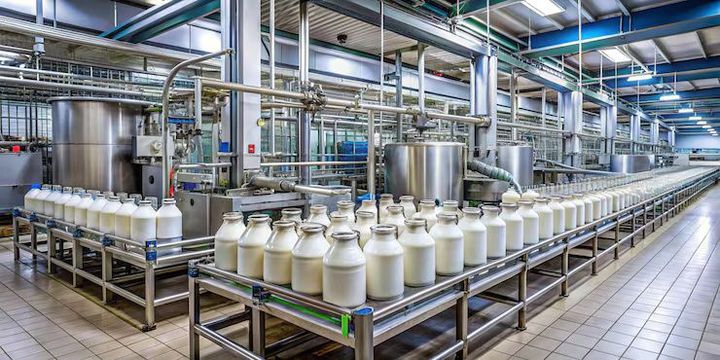
Explore UHT Processing Systems: Essential Facts & Modern Insights
Learn how UHT processing systems work, why they are important in modern food production, recent industry developments, regulations, helpful resources, and common questions explained in simple language.
Ultra High Temperature (UHT) processing systems are advanced food processing technologies that heat liquid food products to very high temperatures, usually between 135°C and 150°C, for only a few seconds before cooling them rapidly. This method significantly reduces harmful microorganisms while helping preserve flavor, texture, and nutritional quality.
UHT technology was developed to improve food safety and extend storage stability without relying on continuous refrigeration before opening. It is widely used for dairy products, plant-based beverages, soups, sauces, and liquid nutritional products.
Today, UHT processing systems are an important part of modern food manufacturing because they support efficient production while maintaining consistent product quality.
Common Applications
| Food Category | Typical Use |
|---|---|
| Dairy Products | Milk, cream, flavored milk |
| Plant-Based Drinks | Oat, almond, soy beverages |
| Liquid Foods | Soups, broths, sauces |
| Nutritional Products | Protein drinks, dietary beverages |
Importance
Why UHT Processing Matters Today
Food safety remains one of the biggest priorities for manufacturers and consumers. UHT processing helps reduce microbial contamination while maintaining product consistency throughout distribution.
Growing urban populations, expanding international food distribution, and increased demand for packaged beverages have encouraged greater use of advanced food processing equipment.
Major benefits include:
- Improved food safety standards
- Longer unopened storage life
- Consistent production quality
- Reduced food waste
- Efficient large-scale manufacturing
- Better inventory management
Industries including dairy processing, beverage manufacturing, food technology, and industrial processing continue to invest in modern thermal processing systems because they improve operational efficiency and production reliability.
Industry Benefits Overview
| Benefit | Impact |
|---|---|
| Food Safety | Reduces harmful microorganisms |
| Product Stability | Supports longer shelf stability |
| Production Efficiency | Faster continuous processing |
| Quality Control | Consistent heating process |
| Waste Reduction | Lower spoilage rates |
Recent Updates
Modern Industry Trends
During 2025–2026, the food processing industry has continued focusing on automation, digital monitoring, and energy-efficient processing technologies.
Recent developments include:
- Greater adoption of smart sensors for temperature monitoring.
- Increased use of automated cleaning systems to improve production hygiene.
- Expansion of digital quality monitoring through connected manufacturing platforms.
- Growing interest in energy-efficient heat recovery technologies.
- Improved integration between processing equipment and manufacturing data systems.
Manufacturers are also emphasizing sustainability by reducing energy consumption and optimizing water usage within processing facilities. These improvements support both environmental goals and operational efficiency.
Laws or Policies
Regulatory Framework
UHT processing systems operate under strict food safety regulations that vary by country but generally follow internationally recognized food hygiene principles.
Common regulatory requirements include:
- Hazard Analysis and Critical Control Point (HACCP) implementation.
- Good Manufacturing Practices (GMP).
- Food safety management systems.
- Equipment sanitation standards.
- Temperature monitoring and production record documentation.
Many countries also align with internationally accepted food safety guidelines to help ensure processed foods meet quality and public health requirements before entering the supply chain.
Tools and Resources
Helpful Learning Resources
Professionals and students often use various educational resources to understand UHT processing technology.
Useful resources include:
- Food safety training materials
- Process flow diagram templates
- Temperature conversion calculators
- Production efficiency worksheets
- Food engineering textbooks
- Manufacturing quality checklists
- Industrial automation learning platforms
- Food processing research publications
Typical UHT Processing Flow
Raw Liquid
      │
      ▼
Preheating
      │
      ▼
Ultra High Temperature Heating
      │
      ▼
Rapid Cooling
      │
      ▼
Sterile Filling
      │
      ▼
Packaged Product
FAQs
What does UHT stand for?
UHT stands for Ultra High Temperature, a food processing method that heats liquid products at very high temperatures for a few seconds before rapid cooling.
Which foods commonly use UHT processing?
Milk, flavored dairy beverages, plant-based drinks, soups, sauces, cream, and nutritional beverages commonly use UHT technology.
Does UHT processing improve food safety?
Yes. The process greatly reduces harmful microorganisms while maintaining product quality when performed under controlled manufacturing conditions.
Is refrigeration always required after UHT processing?
Unopened UHT products are generally shelf stable when packaged under sterile conditions. After opening, refrigeration is normally recommended according to product instructions.
Why is automation becoming important in UHT systems?
Automation helps improve temperature accuracy, production consistency, quality monitoring, equipment efficiency, and data recording throughout the manufacturing process.
Conclusion
UHT processing systems have become an essential part of modern food manufacturing by supporting food safety, consistent quality, and efficient production. As digital monitoring, automation, and energy-efficient technologies continue to evolve, these systems are becoming even more reliable and sustainable.
Understanding how UHT processing works helps consumers, students, and industry professionals appreciate the technology behind many everyday packaged foods. Continued improvements in processing equipment and regulatory compliance are expected to strengthen food quality and manufacturing efficiency in the years ahead.
Disclaimer
This article is intended for general educational purposes only. Regulations, processing standards, and food safety requirements may differ between countries and industries. Always refer to the applicable regulatory authority and current industry standards for official guidance.