Discover Construction Safety Equipment: Key Facts Every Worker Should Know
Construction sites are among the most demanding workplaces in the world. Heavy machinery, elevated work areas, electrical systems, and moving materials create environments where safety must always come first. Construction safety equipment plays an important role in reducing workplace hazards and helping workers stay protected during daily tasks.
Modern workplace safety is no longer limited to hard hats and gloves. Advanced protective technologies, smart monitoring systems, and improved safety standards have changed the way companies approach worker protection. Understanding these tools can help workers, site managers, and industry professionals create safer job environments.
Why Construction Safety Equipment Matters
Every construction project involves different types of risks. Falling objects, slips, trips, electrical exposure, and equipment accidents remain common challenges across the industry.
Construction safety equipment helps lower these risks by creating barriers between workers and potential hazards. Studies from occupational safety organizations around the world consistently show that proper use of personal protective equipment can significantly reduce workplace injuries.
A strong safety culture also improves project efficiency. When workers feel protected, they can focus better on their tasks, reducing interruptions caused by accidents and unexpected incidents.
Common Workplace Hazards
Construction environments often include:
- Falling from heights
- Flying debris and dust particles
- Loud machinery noise
- Electrical hazards
- Heavy object handling
- Chemical exposure
- Slippery or uneven surfaces
Each of these situations requires specific industrial safety equipment designed for that purpose.
Essential Personal Protective Equipment
Personal protective equipment, often called PPE, forms the foundation of construction safety. Different projects require different combinations of protective gear.
Safety Helmets
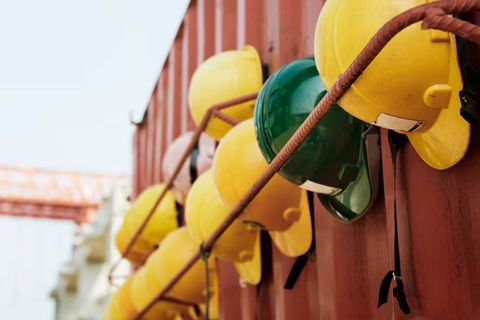
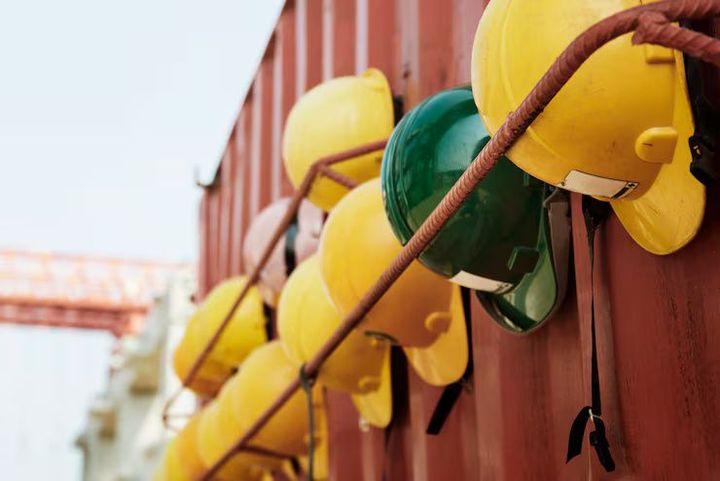
Hard hats protect workers from falling tools, materials, and accidental impacts. Modern helmets are lightweight and designed for long-term comfort while maintaining high impact resistance.
Safety Glasses and Face Shields
Eye protection helps prevent injuries caused by dust, sparks, chemicals, and flying particles. Face shields provide additional coverage during grinding, welding, and cutting activities.
Protective Gloves
Different gloves are designed for different jobs. Cut-resistant gloves protect against sharp objects, while insulated gloves reduce electrical risks.
High-Visibility Clothing
Reflective jackets and vests help workers remain visible around moving vehicles and heavy equipment, especially during low-light conditions.
Safety Footwear
Protective boots with reinforced toe caps and slip-resistant soles help prevent crushing injuries and reduce the chance of falls.
Hearing Protection
Construction machinery can generate dangerous noise levels. Earplugs and earmuffs protect hearing during extended exposure to loud environments.
Fall Protection Systems
Working at heights remains one of the leading causes of construction accidents. Fall protection systems are essential for projects involving scaffolding, ladders, rooftops, and elevated platforms.
Important Fall Protection Equipment
- Safety harnesses
- Anchor points
- Lifelines
- Guardrails
- Safety nets
- Positioning lanyards
Regular equipment inspections are equally important because damaged components may not provide adequate protection during emergencies.
Respiratory Protection and Air Quality
Construction work often creates dust, smoke, and airborne particles that can affect long-term health. Activities such as cutting concrete, sanding wood, and demolition generate fine particles that workers may inhale.
Respiratory protective equipment includes disposable masks, reusable respirators, and advanced filtration systems. Choosing the right level of protection depends on the specific work environment and the materials involved.
Improved ventilation and dust control systems also contribute to better workplace safety and healthier job sites.
Smart Technology in Construction Safety
Technology is changing how construction safety equipment works. Smart devices now help monitor worker conditions and detect potential hazards before accidents occur.
Emerging Safety Innovations
- Smart helmets with communication features
- Wearable safety sensors
- GPS worker location tracking
- Heat stress monitoring devices
- Equipment inspection applications
- Artificial intelligence safety monitoring systems
These innovations provide real-time information that helps site managers respond quickly to changing conditions.
Safety Training and Equipment Maintenance
Even the best protective gear cannot perform effectively without proper use. Safety education helps workers understand when and how to use construction PPE correctly.
Regular maintenance is another important factor. Safety equipment should be inspected for signs of wear, damage, or contamination before use.
Basic maintenance practices include:
- Cleaning protective gear after use
- Replacing damaged equipment
- Checking harness straps and buckles
- Inspecting helmets for cracks
- Testing respiratory equipment
- Storing equipment in suitable conditions
Routine inspections help maintain safety standards and extend equipment life.
Global Construction Safety Trends
The construction industry continues to improve workplace protection through stricter regulations and better safety awareness.
Several trends are shaping the future of industrial safety equipment:
Greater Focus on Prevention
Organizations increasingly prioritize hazard identification before work begins rather than responding after incidents happen.
Sustainable Safety Products
Manufacturers are developing environmentally responsible protective equipment using recyclable and durable materials.
Digital Safety Management
Digital checklists, cloud reporting systems, and automated compliance tracking simplify safety management across large construction projects.
Worker Wellness Programs
Many organizations now combine physical safety with overall worker well-being by addressing fatigue, hydration, and mental health awareness.
Practical Safety Habits for Everyday Work
Protective equipment works best when combined with responsible workplace behavior.
Workers can improve job site safety by:
- Wearing the correct PPE at all times
- Following safety procedures
- Reporting hazards immediately
- Keeping work areas organized
- Inspecting equipment regularly
- Staying aware of surroundings
- Participating in safety training sessions
Small daily habits often make the biggest difference in preventing workplace accidents.
Final Thoughts
Construction safety equipment remains one of the most important investments in modern workplace protection. From basic helmets and gloves to advanced wearable technology, these tools help reduce risks and support safer working environments.
As construction methods continue to evolve, safety standards and protective equipment will also improve. Combining quality safety gear with proper training, regular inspections, and responsible work practices creates a stronger foundation for accident prevention.