Kurkure Explained: A Simple Guide to Crunch, Taste & Ingredients
Discover what Kurkure is, how it is made, the ingredients commonly used, nutrition facts, food safety standards, recent trends, and practical tips for understanding packaged snacks.
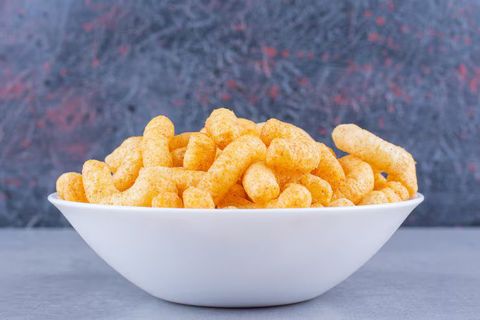
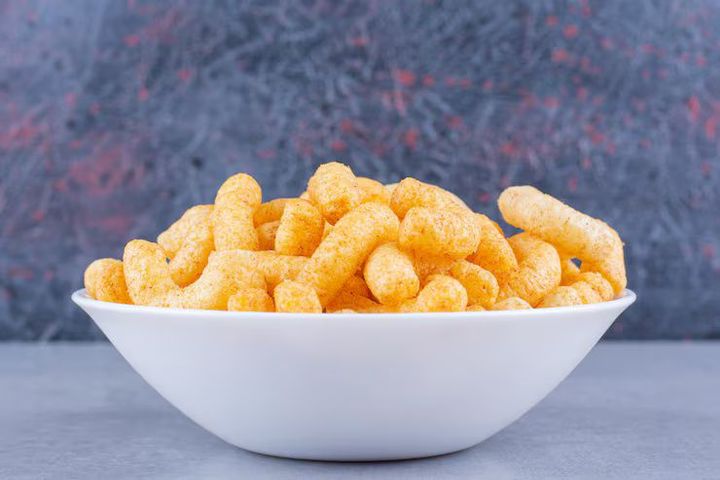
Kurkure is a well-known crunchy snack enjoyed by people of different age groups. It is recognized for its unique texture, bold flavors, and spiral shape. Unlike traditional potato chips, Kurkure is generally made using a blend of grains such as cornmeal, rice meal, and gram meal, along with edible vegetable oil and carefully selected seasonings.
The snack was introduced to provide a different texture and eating experience compared to conventional packaged snacks. Modern food processing technology allows manufacturers to combine grains, shape the mixture through an extrusion process, cook it, and add seasoning evenly.
Today, packaged snacks like Kurkure are part of a rapidly growing food processing industry, snack manufacturing, food packaging, quality control, food safety, and consumer goods sectors. Understanding how these snacks are made helps consumers make informed dietary choices.
Importance
Packaged snacks have become a regular part of modern lifestyles because they are easy to store, transport, and consume. Kurkure demonstrates how food technology can transform basic grains into a convenient snack while maintaining consistent taste and texture.
Some reasons why understanding packaged snacks is important include:
- Learning how food ingredients work together.
- Understanding nutrition labels before choosing packaged foods.
- Knowing how food quality and hygiene are maintained.
- Becoming familiar with food manufacturing processes.
- Making balanced dietary decisions.
Common Ingredients Overview
| Ingredient | Purpose |
|---|---|
| Corn meal | Main base ingredient |
| Rice meal | Improves texture |
| Gram meal | Adds structure |
| Vegetable oil | Cooking medium |
| Salt | Flavor enhancement |
| Spices and seasonings | Taste and aroma |
| Food additives (approved) | Maintain quality and consistency |
Consumers today are also paying greater attention to ingredient transparency, nutritional information, and food labeling when selecting packaged foods.
Recent Updates
During 2025 and early 2026, the packaged snack industry continued focusing on healthier manufacturing practices and clearer nutritional communication.
Some noticeable trends include:
- Increased interest in baked and grain-based snack varieties.
- Greater attention to front-of-pack nutrition information.
- More discussion around sodium and fat awareness.
- Improved packaging designed to preserve freshness.
- Growing consumer interest in ingredient transparency.
Consumer Focus Trends
| Area | Current Trend |
|---|---|
| Nutrition Labels | Higher consumer awareness |
| Ingredient Information | More transparency |
| Packaging | Improved freshness protection |
| Food Processing | Better manufacturing efficiency |
| Sustainability | Increased packaging discussions |
Consumer Awareness Growth
Nutrition Labels      ██████████
Ingredients           █████████
Food Safety           ██████████
Packaging Quality     ████████
Healthy Choices       █████████
The chart illustrates the increasing public interest in understanding packaged food products rather than representing measured market statistics.
Laws or Policies
In India, packaged snacks are regulated under food safety laws designed to protect consumers.
Important regulatory areas include:
- Food manufacturers must follow approved food safety standards.
- Ingredients must comply with permitted food regulations.
- Nutrition information must appear on product labels.
- Manufacturing facilities are expected to maintain hygiene standards.
- Packaging must include ingredient lists, storage guidance, and expiry information.
These regulations help improve transparency while supporting consumer confidence in packaged food products.
Tools and Resources
Consumers can better understand packaged snacks by using educational resources such as:
- Nutrition label readers
- Daily nutrient intake calculators
- Food ingredient glossaries
- Healthy meal planning templates
- Food safety awareness guides
- Nutrition tracking applications
- Dietary education materials
These resources encourage informed food choices and improve understanding of balanced nutrition.
FAQs
What is Kurkure mainly made from?
Kurkure is commonly prepared using corn meal, rice meal, gram meal, edible vegetable oil, salt, spices, and approved food ingredients that provide its distinctive texture and flavor.
Is Kurkure the same as potato chips?
No. Potato chips are generally made from sliced potatoes, while Kurkure is an extruded snack produced from a blend of grains and seasonings.
How does Kurkure become crunchy?
The crunch develops through the extrusion process, cooking, controlled moisture reduction, and seasoning, creating its signature texture.
Why should consumers read nutrition labels?
Nutrition labels provide information about ingredients, serving size, calories, fat, sodium, carbohydrates, and other nutritional values that help people make informed dietary choices.
Are packaged snacks regulated in India?
Yes. Packaged snacks must follow national food safety regulations related to ingredient quality, hygiene, labeling, and manufacturing practices before reaching consumers.
Conclusion
Kurkure is an example of how modern food processing transforms everyday grains into a distinctive crunchy snack. Its texture, flavor, and appearance result from carefully controlled manufacturing techniques, approved ingredients, and food quality practices. Understanding ingredient lists, nutrition labels, and food safety standards enables consumers to make informed decisions while maintaining a balanced diet. As awareness of nutrition and food transparency continues to grow, packaged snacks are increasingly evaluated not only for taste but also for ingredient quality and nutritional information.
Disclaimer
This article is intended for general educational and informational purposes only. Product formulations, ingredients, nutrition values, and food regulations may change over time depending on manufacturing practices and applicable government requirements. Consumers should always refer to the product packaging for the most current ingredient and nutritional information.