Order Fulfillment Systems: Complete Guide to Faster Warehouse Operations
Order fulfillment systems help warehouses manage inventory, process orders, and improve delivery accuracy. This guide explains how these systems work, why they matter, recent developments, regulations, useful resources, and common questions in a simple and easy-to-understand format.
An order fulfillment system is a structured process used to manage customer orders from the moment they are received until products are prepared for shipment. These systems combine warehouse workflows, inventory tracking, barcode technology, warehouse automation, logistics management, and order processing to improve operational efficiency.
As businesses handle larger volumes of online and retail orders, manual warehouse processes become more difficult to manage. Order fulfillment systems were developed to improve inventory visibility, reduce processing errors, and support faster warehouse operations. Today, they play an important role in distribution centers, manufacturing facilities, wholesale operations, and e-commerce warehouses.
Instead of relying on paperwork or manual tracking, modern fulfillment systems organize every stage of warehouse activity through digital workflows and real-time inventory management.
Why Order Fulfillment Systems Matter
Improving Warehouse Performance
Efficient warehouse operations are essential for keeping inventory organized and processing orders accurately. An effective fulfillment system helps reduce delays while improving inventory control and warehouse productivity.
These systems are valuable for:
- Distribution centers
- Manufacturing facilities
- Retail warehouses
- E-commerce fulfillment centers
- Third-party logistics operations
Common Challenges They Address
Order fulfillment systems help solve several operational issues, including:
- Inventory inaccuracies
- Picking and packing mistakes
- Slow warehouse workflows
- Limited inventory visibility
- Inefficient storage management
- Difficulty handling seasonal demand
- Delayed shipment preparation
Warehouse automation combined with inventory management software allows organizations to monitor stock movement continuously, making warehouse planning more efficient.
Benefits Overview
| Warehouse Function | Operational Improvement |
|---|---|
| Inventory Tracking | Better stock visibility |
| Order Processing | Faster workflow management |
| Barcode Scanning | Improved accuracy |
| Warehouse Automation | Reduced manual activities |
| Inventory Planning | Better forecasting support |
| Data Analytics | Smarter operational decisions |
Recent Updates and Industry Trends
Warehouse technology continues to evolve rapidly. Throughout 2025 and early 2026, several trends have become more common across global supply chain operations.
Organizations are increasingly adopting artificial intelligence to improve warehouse planning. AI-based forecasting helps estimate inventory demand and optimize storage allocation.
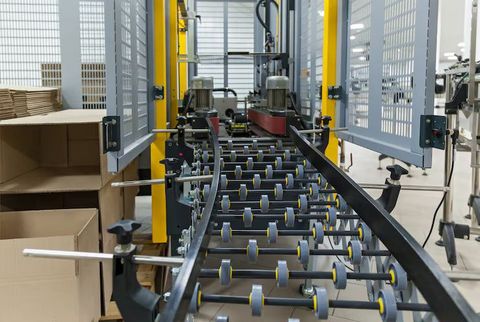
Automation technologies have also expanded. Automated picking equipment, robotics, conveyor systems, and intelligent warehouse software continue to improve processing speed while reducing operational delays.
Cloud-based warehouse management platforms have become more widely adopted because they allow real-time inventory monitoring across multiple warehouse locations.
Another growing trend is sustainability. Many warehouses are introducing energy-efficient equipment, recyclable packaging practices, and optimized transportation planning to reduce environmental impact while improving operational efficiency.
The use of predictive analytics for inventory forecasting has also increased, helping warehouse managers prepare for changing demand patterns more accurately.
Laws and Policy Considerations
Order fulfillment systems operate within several regulatory frameworks depending on the country and industry.
Important compliance areas typically include:
- Workplace health and safety regulations
- Data privacy requirements for customer information
- Product traceability standards
- Electronic record management rules
- Import and export documentation requirements
- Consumer protection regulations for order accuracy
Warehouses handling food, medical products, electronics, or hazardous materials often follow additional inventory tracking and product identification requirements.
Businesses should regularly review national regulations affecting warehouse management, logistics documentation, employee safety, and inventory recordkeeping.
Helpful Tools and Learning Resources
Several categories of digital tools help improve warehouse management and order fulfillment.
Useful resources include:
- Warehouse management software
- Inventory tracking systems
- Barcode generators
- QR code management tools
- Inventory forecasting calculators
- Warehouse layout templates
- Shipping label generators
- Order processing dashboards
- Supply chain planning worksheets
- Warehouse performance reporting tools
Warehouse Workflow Example
| Process Stage | Primary Activity |
|---|---|
| Inventory Receiving | Product registration |
| Stock Storage | Organized inventory placement |
| Order Picking | Item selection |
| Packing | Order preparation |
| Shipment Processing | Dispatch documentation |
| Inventory Reporting | Performance monitoring |
Frequently Asked Questions
What is an order fulfillment system?
It is a structured process that manages inventory, warehouse operations, order processing, packing, and shipment preparation using digital workflows and automation technologies.
How does warehouse automation improve fulfillment?
Automation reduces repetitive manual work, improves inventory accuracy, speeds up order processing, and helps warehouses manage larger order volumes more efficiently.
What industries commonly use fulfillment systems?
Manufacturing, retail, wholesale distribution, healthcare logistics, industrial supply chains, and e-commerce warehouses commonly use order fulfillment systems.
Why is inventory visibility important?
Real-time inventory visibility helps prevent stock shortages, reduces inventory errors, supports accurate forecasting, and improves warehouse planning.
Can small warehouses benefit from fulfillment systems?
Yes. Even smaller warehouses can improve inventory organization, workflow efficiency, barcode tracking, and reporting by using structured fulfillment processes.
Conclusion
Order fulfillment systems have become an important part of modern warehouse operations. They help organize inventory, improve workflow efficiency, reduce processing errors, and support better decision-making through real-time data.
As warehouse technology continues to advance with automation, artificial intelligence, predictive analytics, and cloud-based inventory management, fulfillment systems will remain a key component of efficient supply chain operations. Understanding how these systems work allows organizations to improve warehouse performance while maintaining accurate inventory records and operational compliance.
Disclaimer
This article is intended for general educational and informational purposes only. Warehouse regulations, operational requirements, and compliance standards may differ by country, industry, and organization. Readers should consult relevant official regulations and industry guidance when implementing warehouse management practices.