Discover smart PVC extrusion systems improving quality control
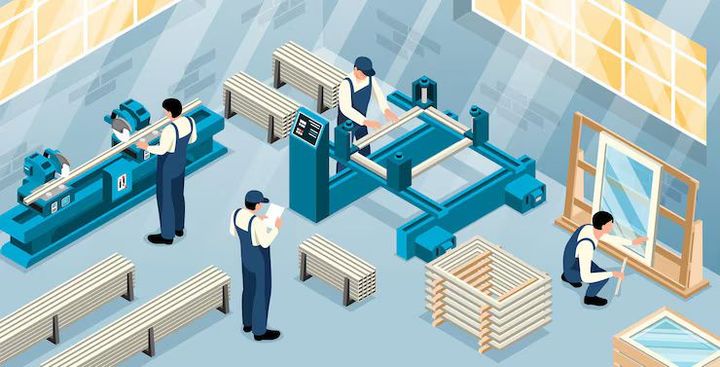
PVC extrusion is one of the most widely used manufacturing processes for producing plastic pipes, window profiles, cable conduits, medical tubing, packaging components, and numerous industrial products. The process involves melting PVC material and shaping it continuously through a precision die to create products with consistent dimensions and performance characteristics.
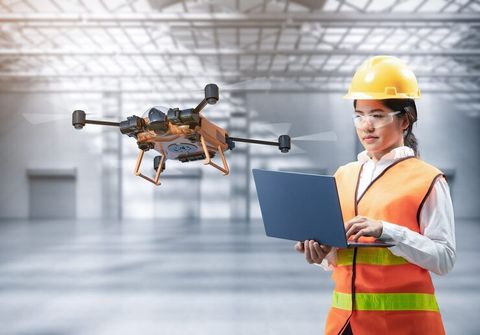
As manufacturing becomes increasingly digital, smart PVC extrusion systems are transforming traditional production methods. Modern equipment integrates intelligent sensors, automated controls, real-time monitoring, and advanced data analysis to improve production consistency while reducing operational interruptions. These developments allow manufacturers to detect variations earlier and maintain stable production conditions throughout an entire manufacturing cycle.
Over the past few years, quality control has become a central focus across manufacturing industries. Customers increasingly expect products with uniform dimensions, improved durability, and consistent material properties. Smart extrusion technology helps manufacturers meet these expectations through continuous monitoring instead of relying solely on manual inspections after production.
For beginners, smart PVC extrusion systems combine traditional extrusion machinery with intelligent software, automation technologies, and industrial monitoring tools. Together, these technologies improve production visibility, enhance operational efficiency, and support more consistent manufacturing outcomes. Understanding how these systems function provides valuable context before exploring their practical applications.
Who it affects and what problems it solves
Smart PVC extrusion systems influence a broad range of industries that depend on consistent plastic manufacturing. Pipe manufacturers, construction material producers, electrical component suppliers, packaging companies, automotive manufacturers, and industrial product developers all benefit from improved process monitoring and quality assurance.
Production engineers rely on intelligent monitoring systems to maintain stable operating conditions throughout manufacturing. Quality control specialists use real-time production data to identify irregularities before they become larger production concerns. Maintenance teams also benefit because predictive monitoring identifies equipment performance changes before unexpected downtime occurs.
Manufacturing organizations often face challenges such as inconsistent product dimensions, fluctuating temperatures, uneven material flow, excessive material waste, and unexpected machine interruptions. Traditional inspection methods may identify these issues only after large production batches have already been completed. Smart monitoring significantly reduces this delay by continuously evaluating production conditions throughout the manufacturing process.
Growing organizations also benefit because automated quality control supports scalable production without requiring proportional increases in manual inspections. Digital monitoring systems create standardized production records that simplify internal quality reviews and process optimization.
A common mistake involves assuming that automation alone guarantees perfect product quality. In reality, successful smart extrusion depends on accurate sensor calibration, regular equipment maintenance, well-trained operators, and continuous process evaluation. Intelligent systems support decision-making, but effective manufacturing still requires experienced oversight and consistent operational practices.
Recent updates and industry trends
Over the past year, manufacturers have increasingly integrated Industrial Internet of Things technologies into PVC extrusion systems. Connected sensors continuously collect production information related to temperature, pressure, motor performance, material flow, cooling efficiency, and product dimensions. This continuous stream of operational data provides greater visibility into production performance than traditional monitoring approaches.
Recent industry research suggests that manufacturers are placing greater emphasis on predictive maintenance rather than reactive equipment servicing. Intelligent monitoring platforms analyze equipment behavior over time, helping maintenance teams identify potential issues before production interruptions occur.
Many organizations globally are expanding the use of artificial intelligence within manufacturing environments. Machine learning algorithms assist in recognizing production patterns, detecting process variations, and recommending operational adjustments that improve consistency while minimizing unnecessary material consumption.
Automation has also evolved significantly. Modern human-machine interfaces provide easier visualization of production parameters, while cloud-based production dashboards allow managers to review manufacturing performance across multiple production lines from centralized locations.
Another noticeable trend is the integration of digital quality management software with extrusion equipment. Production records, inspection results, maintenance activities, and machine performance information are increasingly connected within unified manufacturing systems. This integration supports better traceability, more informed decision-making, and continuous operational improvement across complex manufacturing environments.
Comparison of smart PVC extrusion systems and conventional extrusion systems
Selecting an extrusion system depends on production goals, quality expectations, available automation, and long-term operational planning. While conventional extrusion systems remain suitable for many manufacturing environments, smart PVC extrusion systems introduce digital technologies that improve monitoring, consistency, and process optimization.
The following comparison highlights practical differences between traditional and smart extrusion approaches.
| Comparison Point | Conventional PVC Extrusion | Smart PVC Extrusion Systems |
|---|---|---|
| Efficiency | Manual adjustments are more frequent | Automated optimization supports stable production |
| Automation | Limited automation functions | Advanced automation with intelligent controls |
| Scalability | Expansion may require significant manual oversight | Easier to scale using centralized monitoring systems |
| Maintenance | Reactive maintenance after issues occur | Predictive maintenance using machine data |
| Flexibility | Equipment changes require more operator intervention | Recipe-based settings simplify product changeovers |
| Production Speed | Depends heavily on operator experience | Stable production with continuous monitoring |
| Reliability | Performance varies with manual adjustments | Consistent monitoring improves operational reliability |
| Energy Use | Energy consumption may fluctuate | Intelligent control improves energy management |
| Implementation Complexity | Simpler initial setup | Requires software integration and operator training |
| Integration Capability | Limited connectivity | Easily integrates with manufacturing software and industrial networks |
Smart PVC extrusion systems provide better visibility into the production process by continuously collecting operational data. Instead of depending primarily on manual inspections, manufacturers can identify deviations while production is still in progress. This proactive approach supports more consistent product quality and reduces unnecessary material waste.
Another important advantage is improved decision-making. Historical production information helps engineers evaluate performance trends, identify recurring issues, and optimize manufacturing parameters over time. While conventional systems remain practical in many environments, intelligent extrusion technologies provide greater operational transparency for modern manufacturing facilities.
Regulations and practical guidance
Manufacturers using smart PVC extrusion systems should follow internationally recognized quality management practices while ensuring equipment operates according to manufacturer specifications and applicable industry standards. Although specific regulatory requirements vary depending on local regulations and product applications, maintaining documented quality procedures remains an important expectation across many industries.
Safety is a major consideration during extrusion operations. High processing temperatures, rotating machinery, electrical equipment, and automated material handling systems require appropriate safety controls. Modern smart systems frequently incorporate emergency shutdown functions, alarm monitoring, machine diagnostics, and operator protection features that support safer production environments.
Environmental responsibility has also become increasingly important. Many manufacturing organizations monitor energy consumption, optimize raw material usage, recycle production scrap where appropriate, and reduce unnecessary process waste. Smart monitoring systems support these initiatives by providing accurate operational data that helps identify opportunities for improved resource efficiency.
Operational guidance should include routine equipment inspections, scheduled preventive maintenance, calibration of sensors, verification of measurement systems, software updates, operator training, and documentation of production performance. These practices contribute to consistent manufacturing quality while supporting continuous improvement initiatives.
Data security also deserves attention as manufacturing systems become increasingly connected. Organizations should establish appropriate access controls, maintain secure system configurations, protect production records, and regularly review software performance to reduce operational risks associated with digital manufacturing environments.
Which option suits different situations?
Small operations
Smaller manufacturers may benefit from modular smart extrusion solutions that introduce automation gradually. Basic monitoring systems can improve production consistency without requiring extensive infrastructure changes.
Large-scale systems
High-volume production environments often gain greater value from fully integrated smart extrusion systems. Automated quality monitoring, centralized production dashboards, and predictive maintenance help manage multiple production lines efficiently.
Beginners
Organizations beginning digital transformation should focus on operator training, equipment familiarization, and understanding production data before implementing more advanced analytical technologies.
Experienced professionals
Manufacturing teams with established automation experience can utilize advanced analytics, artificial intelligence, and process optimization software to further improve production consistency and operational efficiency.
Growing organizations
Companies expanding production capacity often benefit from scalable automation platforms that support future equipment integration, centralized monitoring, and standardized manufacturing practices across multiple production lines.
Tools and resources
A variety of digital resources support smart PVC extrusion systems by improving monitoring, process analysis, maintenance planning, and quality management. These technologies help manufacturers better understand production performance and maintain consistent operational standards.
- Manufacturing Execution System (MES) — Tracks production activities, process performance, and manufacturing records.
- SCADA Systems — Monitor industrial equipment in real time while providing centralized operational control.
- PLC Programming Software — Configures automation logic for extrusion machinery and production equipment.
- Statistical Process Control (SPC) Software — Analyzes production variation and supports quality improvement initiatives.
- Predictive Maintenance Platforms — Evaluate machine performance to identify maintenance needs before failures occur.
- Digital Quality Management Systems (QMS) — Organize inspections, documentation, corrective actions, and quality records.
- Energy Monitoring Systems — Measure equipment energy consumption and identify opportunities for improved operational efficiency.
FAQ section
What is a smart PVC extrusion system?
A smart PVC extrusion system combines conventional PVC extrusion equipment with digital technologies such as sensors, automation, data monitoring, and intelligent control software. These components work together to monitor production conditions in real time, helping manufacturers improve consistency, reduce process variation, and maintain product quality. The system also provides valuable production data that supports informed operational decisions.
How does smart quality control differ from traditional quality inspection?
Traditional quality inspection often focuses on checking finished products after production or at scheduled intervals. Smart quality control continuously monitors important production parameters such as temperature, pressure, material flow, and dimensional accuracy throughout the manufacturing process. This allows potential issues to be identified earlier, supporting quicker corrective actions and reducing unnecessary material waste.
Can smart PVC extrusion systems improve manufacturing efficiency?
Yes. Smart PVC extrusion systems help improve efficiency by automating routine process adjustments, monitoring equipment performance, and providing operators with real-time production information. Predictive maintenance features can reduce unexpected downtime, while production analytics help identify opportunities for process optimization. However, successful implementation also depends on proper maintenance, operator training, and regular system evaluation.
Are smart PVC extrusion systems suitable for every manufacturing operation?
Not every manufacturing environment requires the same level of automation. Smaller production facilities may begin with basic monitoring and process control features, while larger manufacturers often benefit from fully integrated automation platforms. The most appropriate solution depends on production complexity, quality objectives, future expansion plans, and existing manufacturing infrastructure rather than a single universal approach.
What developments are expected for smart PVC extrusion technology?
Future developments are expected to include greater use of artificial intelligence, digital twins, advanced machine vision, predictive analytics, cloud-based production management, and improved industrial connectivity. As manufacturing technologies continue to evolve globally, smart PVC extrusion systems are likely to provide more accurate process monitoring, enhanced sustainability reporting, and stronger integration across connected production environments.
Conclusion
Smart PVC extrusion systems represent an important advancement in modern manufacturing by combining traditional extrusion technology with intelligent automation, continuous monitoring, and digital process management. These systems help manufacturers improve quality control, enhance production consistency, reduce operational interruptions, and support better decision-making through real-time production insights. Rather than replacing experienced operators, intelligent technologies provide additional information that helps manufacturing teams maintain stable and efficient production processes.
Organizations considering smart extrusion technologies should evaluate their production objectives, operational requirements, existing equipment, and long-term manufacturing strategies before implementing new automation solutions. A structured approach that includes operator training, preventive maintenance, process documentation, and continuous performance evaluation supports successful adoption while maintaining reliable manufacturing outcomes.
Looking ahead, worldwide trends indicate continued growth in industrial automation, artificial intelligence, predictive maintenance, and connected manufacturing systems. As these technologies mature, smart PVC extrusion systems are expected to become increasingly capable of supporting higher levels of quality assurance, operational efficiency, sustainability, and data-driven manufacturing across a wide range of industries.