Discover Premium Decor Tips for Luxury Interiors
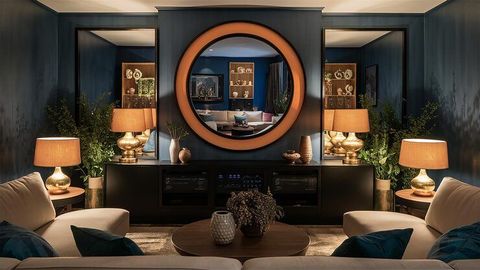
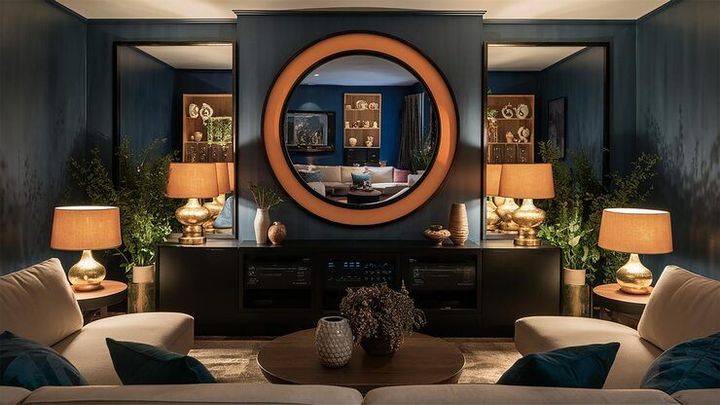
Luxury interiors are no longer defined only by expensive furniture or decorative accessories. In modern interior design, premium decor focuses on creating balanced, comfortable, and visually refined spaces that combine functionality with timeless aesthetics. From carefully selected materials to thoughtful lighting arrangements, luxury interiors rely on quality, harmony, and attention to detail rather than excessive decoration. This approach allows homeowners, apartment residents, and even workspace designers to create sophisticated environments that feel both welcoming and practical.
The growing interest in luxury interiors reflects a broader global lifestyle trend toward personalized living spaces. According to global design research and international industry data, more people are investing in long-lasting decor elements that improve comfort, organization, and emotional well-being. Over the past few years, interior design discussions have increasingly emphasized sustainability, premium craftsmanship, and adaptable layouts that work for different lifestyles. As remote work, digital lifestyles, and wellness-focused living continue to shape modern habits, premium decor has become an important topic for individuals seeking both visual appeal and everyday functionality.
The impact of interior design extends far beyond appearance. A thoughtfully designed space can influence productivity, relaxation, social interaction, and even overall mood. Whether someone lives in a compact apartment or a large family home, design decisions affect how efficiently and comfortably the environment supports daily routines. Luxury interiors therefore appeal to a wide range of people looking to improve their quality of life, which naturally leads to understanding who benefits most from these premium decor strategies.
Who It Affects & Problems It Solves
Premium decor and luxury interior concepts affect a broad international audience. Professionals working remotely often seek organized and visually calming spaces that improve concentration and reduce stress. Families may prioritize durable yet elegant materials that balance practicality with style. Students and young adults increasingly explore minimalist luxury aesthetics that maximize smaller living areas, while retirees may focus on comfort, accessibility, and timeless design choices. Interior designers, property owners, and hospitality businesses also use premium decor strategies to create environments that feel refined without appearing excessive.
Without clarity on luxury interior principles, many people invest in decor items that do not complement their space or lifestyle. A room filled with unrelated trends can quickly feel crowded and uncomfortable rather than sophisticated. Others may spend heavily on decorative objects while neglecting foundational elements such as lighting, spatial balance, texture coordination, or furniture proportions. This often results in interiors that look inconsistent and lose visual appeal over time. Premium decor guidance helps individuals prioritize quality, functionality, and cohesion instead of chasing temporary trends.
A common global mistake involves confusing luxury with quantity. Many people assume that adding more decorative pieces automatically creates elegance, when in reality luxury interiors often rely on restraint and intentional design choices. For example, a living room with carefully layered lighting, natural materials, and coordinated textures usually appears more refined than a heavily decorated space filled with unrelated accessories. Understanding these principles helps individuals avoid costly redesigns and encourages more thoughtful decisions, which connects directly to the latest global developments shaping luxury interiors today.
Recent Updates
Over the past year, luxury interior trends have increasingly focused on sustainability and material longevity. Designers and consumers globally are showing greater interest in natural stone, responsibly sourced wood, recycled metals, and handcrafted decor elements. Rather than replacing furniture frequently, many households now prefer durable pieces that maintain their quality for years. This shift reflects broader awareness about long-term value and environmental responsibility within modern design practices.
In early 2025, neutral color palettes with layered textures became more widely adopted across premium interior projects. Instead of highly contrasting schemes, designers began emphasizing soft earth tones, warm lighting, and tactile surfaces that create calm environments. Velvet, linen, matte finishes, and textured wall treatments gained attention for adding depth without overwhelming the room. These choices support the growing preference for interiors that promote relaxation and emotional comfort.
Another major update involves multifunctional spaces. As global lifestyles continue evolving, many interiors now combine work, leisure, and social functions within a single area. Luxury decor increasingly emphasizes flexible furniture, hidden storage, and adaptable lighting systems that support changing daily routines. This approach allows spaces to remain visually elegant while serving practical needs efficiently.
Technology integration has also become more subtle and refined in luxury interiors. Smart lighting, automated curtains, climate controls, and discreet entertainment systems are now commonly incorporated into premium decor plans without dominating the visual design. Instead of making technology the focal point, modern luxury interiors aim to blend convenience seamlessly into the environment. These developments highlight the importance of balancing aesthetics with functionality, making a structured comparison of premium decor elements especially useful.
Comparison Table
The table below compares essential luxury interior elements and explains how different approaches influence comfort, maintenance, visual appeal, and long-term usability. These factors matter universally because design preferences and practical living needs often overlap across different lifestyles.
| Design Element | Premium Approach | Standard Approach | Long-Term Impact |
|---|---|---|---|
| Materials | Natural stone, hardwood, linen | Synthetic surfaces | Greater durability and timeless appeal |
| Lighting | Layered ambient lighting | Single overhead lighting | Improved atmosphere and flexibility |
| Furniture | Custom-fit or high-quality pieces | Mass-produced furniture | Better comfort and longevity |
| Color Palette | Neutral and balanced tones | Trend-focused contrasts | Easier adaptation over time |
| Storage | Hidden integrated storage | Visible storage units | Cleaner visual appearance |
| Textures | Mixed tactile materials | Flat uniform finishes | More visual depth |
| Space Planning | Open and functional layouts | Overcrowded arrangements | Improved movement and comfort |
| Decorative Accessories | Minimal curated decor | Excessive decoration | More cohesive interiors |
| Technology Integration | Seamless smart features | Exposed devices and cables | Cleaner and more efficient spaces |
| Maintenance | Easy-to-maintain finishes | High-maintenance surfaces | Reduced upkeep stress |
The table demonstrates that luxury interiors focus less on extravagance and more on thoughtful coordination. Premium decor consistently emphasizes durability, comfort, and visual harmony rather than temporary trends. Understanding these distinctions also helps explain why practical guidance and general design standards are increasingly important across international interior design practices.
Regulations & Practical Guidance
In most countries, interior products and construction materials are expected to meet safety, durability, and environmental standards. Internationally, manufacturers often follow guidelines related to indoor air quality, fire resistance, material sourcing, and product labeling. Consumers are increasingly encouraged to review material composition and maintenance requirements before purchasing furniture or decor items, especially for spaces used daily by families or shared households.
Globally, design professionals also pay close attention to accessibility and energy efficiency. Many modern luxury interiors incorporate lighting systems, ventilation solutions, and furniture arrangements that support comfort and usability for different age groups and physical needs. Environmental considerations have become especially important, with many property owners favoring energy-conscious lighting and responsibly manufactured decor products. These practices contribute to healthier and more sustainable interiors without sacrificing elegance.
Practical planning remains one of the most important aspects of premium decor. Industry experts generally recommend prioritizing foundational elements such as layout, lighting, and material quality before investing in decorative accessories. A well-planned interior usually ages more gracefully and adapts more easily to changing design preferences.
Which Option Suits Your Situation?
Someone living in a compact apartment may benefit most from minimalist luxury design. Neutral tones, multifunctional furniture, and concealed storage solutions can make smaller spaces appear larger while maintaining a sophisticated appearance. In this situation, investing in fewer but higher-quality pieces often creates a more balanced environment than overcrowding the room with decorative items.
A remote professional who spends significant time working from home may prioritize ergonomic furniture, layered lighting, and acoustic comfort. Premium decor in this case should support concentration and daily productivity while still maintaining visual warmth. Thoughtful workspace integration can prevent the home from feeling overly commercial or sterile.
Families with children or shared living arrangements often need durable materials that combine elegance with practicality. Washable fabrics, scratch-resistant surfaces, and rounded furniture edges may provide a safer and more manageable long-term solution. Luxury interiors for families generally succeed when beauty and usability are equally considered.
Individuals redesigning a home for long-term comfort may prefer timeless aesthetics over fast-changing trends. Investing gradually in durable materials, quality craftsmanship, and adaptable layouts can reduce future renovation needs. These practical considerations naturally connect with the tools and resources that help people organize and refine their luxury interior planning process.
Tools & Resources
Several widely accessible tools and resources can help individuals explore luxury interior concepts more effectively while improving planning and organization.
Pinterest — provides visual inspiration boards for organizing premium decor ideas, textures, and layout concepts.
Canva — helps users create mood boards, color palettes, and room planning presentations for interior projects.
Houzz — offers interior design inspiration, furniture ideas, and examples of modern luxury layouts.
Planner 5D — allows users to experiment with room arrangements and visualize furniture placement digitally.
Color Hunt — supports color palette selection for balanced and cohesive luxury interiors.
IKEA Kreativ — enables users to test room arrangements and furniture positioning through virtual planning tools.
Floorplanner — assists with layout visualization and helps users understand spacing, lighting, and movement flow.
These resources can simplify decision-making and help individuals compare ideas more effectively before making significant decor changes, which also answers many common questions people have about premium interiors.
Frequently Asked Questions
What defines a luxury interior compared to a standard interior?
A luxury interior is typically defined by quality materials, thoughtful layout planning, balanced lighting, and cohesive design choices rather than excessive decoration. Standard interiors may focus primarily on functionality or affordability, while premium interiors prioritize durability, comfort, and refined visual harmony. Luxury design also emphasizes long-term usability and attention to detail, helping spaces remain elegant and practical over time.
Who benefits most from premium decor strategies?
Premium decor strategies can benefit a wide range of individuals, including remote professionals, families, apartment residents, retirees, and property owners. People who value comfort, organization, and long-lasting design often find luxury interior principles especially useful. The approach can also help those working with limited space because thoughtful planning and quality-focused decisions frequently improve functionality without requiring major structural changes.
Are there general regulations related to luxury interior materials?
In many regions globally, interior products are expected to follow safety and environmental standards. Materials may be reviewed for durability, air quality impact, and fire resistance depending on local regulations. Consumers are generally encouraged to verify product certifications and maintenance guidelines before purchasing furniture or decorative materials. These practices support safer living environments and encourage responsible manufacturing standards internationally.
Is luxury decor always expensive?
A common misconception is that luxury interiors require extremely high spending. In reality, premium decor often focuses more on quality, balance, and intentional design than on quantity or price alone. A carefully selected lighting arrangement or durable material can create a refined appearance without excessive decoration. Many successful luxury interiors are developed gradually through thoughtful upgrades rather than large one-time purchases.
Is there a minimum space requirement for luxury interiors?
Luxury interiors are not limited to large homes or expansive rooms. Smaller spaces can also achieve sophisticated results through smart layouts, multifunctional furniture, and consistent design choices. The key factor is how efficiently the available area is used rather than overall size. Proper lighting, proportional furniture, and uncluttered arrangements often make compact interiors feel more elegant and visually spacious.
Conclusion
Premium decor and luxury interior design are ultimately centered on balance, functionality, and long-term comfort rather than visual excess. Throughout this comparison, several consistent themes emerged, including the importance of quality materials, layered lighting, organized layouts, and adaptable spaces. The most effective luxury interiors combine aesthetic refinement with practical everyday usability, allowing spaces to remain comfortable and visually appealing over time.
For most individuals, the best approach involves identifying personal lifestyle needs before selecting design elements. A minimalist layout may suit smaller spaces, while durable materials and flexible furniture arrangements often work better for families or multifunctional environments. Instead of following every temporary trend, focusing on timeless design principles generally creates more sustainable and satisfying results.