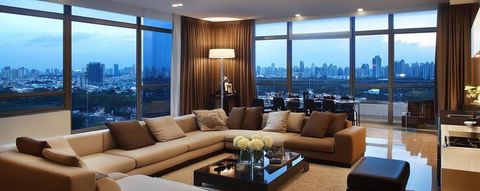
Exploring LED Lighting With Energy Efficiency and Smart Technology Insights
LED lighting, short for light-emitting diode lighting, is a modern illumination technology designed to produce light more efficiently than many traditional lighting systems. LEDs generate light through semiconductor components that convert electrical energy into visible illumination while producing lower levels of heat compared to older bulb technologies. Because of their efficiency, durability, and flexibility, LED lighting systems are widely used in residential, commercial, industrial, automotive, and public infrastructure environments.
Globally, demand for energy-efficient lighting solutions continues growing as businesses, homeowners, and infrastructure planners focus on sustainability and long-term operational savings. According to global energy and smart infrastructure research, LED lighting adoption has expanded rapidly due to improvements in energy efficiency, lighting lifespan, and smart technology integration. This reflects the broader shift toward environmentally conscious infrastructure and digitally connected building systems.
In practical applications, LED lighting supports homes, offices, retail stores, manufacturing facilities, entertainment venues, healthcare environments, and outdoor public spaces. Modern LED systems may include smart controls, automated brightness adjustment, motion detection, and wireless connectivity features that improve lighting flexibility and energy management. Understanding how LED lighting works and supports modern infrastructure highlights its growing importance in energy-efficient and technology-driven environments.
Who It Affects & Problems It Solves
LED lighting affects a wide global audience, including homeowners, businesses, architects, interior designers, industrial operators, city planners, and technology-focused consumers. Electricians, infrastructure developers, and smart building professionals also play important roles in integrating LED systems into modern environments.
Without efficient lighting systems, buildings and infrastructure may experience higher electricity usage, increased maintenance requirements, inconsistent illumination quality, and shorter equipment lifespan. Traditional lighting technologies may also generate more heat and require more frequent replacement over time. LED lighting helps solve these challenges by improving energy efficiency, reducing maintenance demands, and supporting more consistent illumination performance.
A common scenario involves commercial or residential spaces operating older lighting systems with high electricity consumption and uneven brightness distribution. Over time, these systems may increase operational costs and reduce environmental efficiency. LED lighting improves performance by providing brighter illumination with lower energy usage and longer operational lifespan. These practical advantages naturally lead into recent developments shaping smart lighting technologies and energy-efficient infrastructure trends.
Recent Updates
Over the past year, LED lighting technologies have evolved significantly through increased smart automation and connected infrastructure integration. Modern LED systems increasingly include mobile app controls, voice-assisted automation, programmable lighting schedules, and adaptive brightness management technologies.
Another important trend is the growing emphasis on human-centric lighting and wellness-focused environments. Industry data suggests that businesses and homeowners increasingly prioritize lighting systems designed to support comfort, productivity, relaxation, and balanced indoor environments through adjustable color temperature and brightness control.
Energy-efficient infrastructure planning has also become more advanced. Many commercial buildings and smart city projects now use integrated LED systems with occupancy sensors, daylight monitoring, and automated power management to improve sustainability and reduce electricity waste.
Additionally, compact LED designs and decorative smart lighting solutions continue gaining popularity. Flexible strip lighting, architectural LEDs, and customizable ambient lighting systems are increasingly used within homes, entertainment spaces, and hospitality environments. These developments provide useful context for comparing common LED lighting systems and operational features.
Comparison Table
The table below compares common LED lighting categories based on functionality, energy efficiency, and smart technology integration.
| LED Lighting Type | Main Purpose | Energy Efficiency | Smart Technology Level | Operational Benefit |
|---|---|---|---|---|
| Standard LED Bulbs | General room lighting | High | Low to moderate | Lower electricity usage |
| Smart LED Systems | Automated lighting control | Very high | Very high | Remote management |
| LED Strip Lighting | Decorative illumination | High | Moderate | Flexible installation |
| Commercial LED Panels | Office and retail lighting | Very high | Moderate to high | Uniform brightness |
| Outdoor LED Lighting | Exterior visibility | High | Moderate | Improved durability |
| Motion Sensor LEDs | Automated activation | Very high | High | Reduced energy waste |
| Dimmable LED Systems | Adjustable brightness | High | Moderate | Better environmental control |
| RGB Smart Lighting | Color customization | Moderate to high | Very high | Personalized ambiance |
| Industrial LED Fixtures | Large-scale illumination | Very high | Moderate | Long operational lifespan |
| Solar Powered LED Systems | Renewable energy lighting | Very high | Moderate | Reduced grid dependency |
The comparison shows that different LED lighting systems support different operational goals, from decorative ambiance and residential comfort to industrial efficiency and smart infrastructure automation. Combining energy efficiency with smart technology often helps improve lighting flexibility and long-term operational performance. Understanding these distinctions naturally leads into practical guidance and lighting management considerations.
Regulations & Practical Guidance
In many countries, lighting manufacturers and infrastructure projects are encouraged to follow energy efficiency, electrical safety, and environmental sustainability practices. These standards generally focus on electricity management, operational reliability, and responsible product design within residential and commercial environments.
Globally, households and businesses increasingly prioritize long-lasting lighting systems and automated energy management when selecting LED solutions. Brightness levels, color temperature, installation environment, and smart connectivity features often influence lighting decisions and long-term operational satisfaction.
Another important consideration is balancing lighting quality with environmental comfort. Excessively bright or poorly positioned lighting may affect productivity, visual comfort, and room atmosphere. Proper placement and adjustable brightness systems may help support more balanced and adaptable lighting environments.
Which Option Suits Your Situation?
For homeowners seeking lower electricity usage and reliable daily lighting, standard LED bulbs and dimmable systems may provide strong energy efficiency and long operational lifespan.
For individuals interested in smart home automation and remote lighting management, smart LED systems and motion sensor technologies may support greater convenience and operational flexibility.
For businesses and commercial spaces requiring consistent illumination and reduced maintenance needs, commercial LED panels and industrial LED fixtures may improve long-term operational efficiency.
For entertainment environments and personalized interior design applications, RGB smart lighting and LED strip systems may provide customizable ambiance and decorative flexibility. Choosing the right LED system depends on lighting goals, environmental conditions, automation preferences, and energy management priorities. These considerations naturally lead into useful tools and resources.
Tools & Resources
Several tools and resources can help individuals and organizations better understand and manage LED lighting systems effectively.
Smart Lighting Control Platforms — support automated scheduling and remote lighting management.
Energy Monitoring Devices — help track electricity usage and operational efficiency.
Lighting Design Applications — assist with room brightness planning and fixture placement.
Color Temperature Guides — explain lighting tone selection and environmental impact.
Electrical Safety Resources — provide guidance about lighting installation and maintenance practices.
Smart Home Communities — enable users to exchange lighting automation insights and technology strategies.
These resources support informed lighting decisions and efficient infrastructure planning, leading naturally into frequently asked questions.
Frequently Asked Questions
What is LED lighting?
LED lighting is an illumination technology that uses semiconductor components to produce light efficiently while reducing heat generation and electricity consumption.
Why are LED lights considered energy efficient?
LED systems typically use less electricity and provide longer operational lifespan compared to many traditional lighting technologies.
What are smart LED lighting systems?
Smart LED systems include connected features such as remote control access, automation scheduling, brightness adjustment, and wireless integration.
What is a common misconception about LED lighting?
A common misconception is that all LED lights produce harsh brightness. In reality, many modern systems offer adjustable brightness and color temperature customization.
How can individuals improve LED lighting performance?
Individuals often improve performance through proper fixture placement, brightness adjustment, regular cleaning, and selecting lighting systems suited to room conditions and operational needs.
Conclusion
LED lighting plays an important role in supporting energy efficiency, modern infrastructure, and smart technology integration within residential, commercial, and industrial environments. Its combination of lower electricity usage, longer lifespan, and adaptable lighting control helps improve both operational performance and environmental sustainability.
For most users, selecting the right LED lighting system involves balancing energy efficiency, automation features, lighting quality, and environmental comfort needs. Thoughtful planning and appropriate lighting configuration often contribute to stronger long-term performance and user satisfaction.
As smart infrastructure and sustainable technology trends continue evolving globally, LED lighting systems are expected to become more intelligent, customizable, and integrated with advanced automation and energy management technologies.