Industrial Cutting Machines Guide: CNC, Laser & Precision Manufacturing Solutions
Industrial cutting machines are specialized systems used to cut, shape, engrave, and process materials in manufacturing and fabrication industries. These machines are commonly used for metalworking, woodworking, plastic processing, electronics production, automotive manufacturing, and construction material fabrication. Modern industrial cutting equipment combines mechanical engineering, computerized controls, and precision tools to produce accurate cuts across different materials and product sizes.
The development of industrial cutting technology began with manually operated mechanical tools and evolved into automated systems capable of handling high-speed production requirements. Over time, computer numerical control (CNC) systems, laser cutting technologies, and automated precision manufacturing solutions changed how factories process raw materials. Today, many industrial cutting machines operate through digital software systems that control movement, cutting speed, and material positioning.
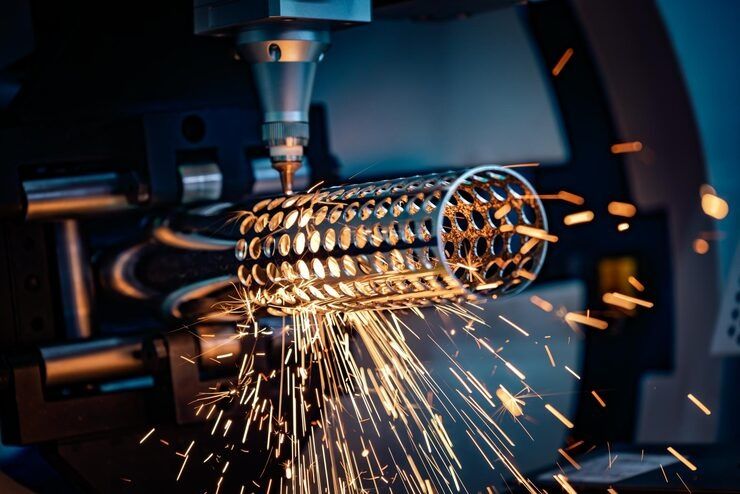
Industrial cutting machinery is designed for different production requirements depending on material thickness, shape complexity, and manufacturing scale. Common cutting technologies include CNC machining systems, laser cutting machines, plasma cutters, waterjet systems, and mechanical shearing equipment. These technologies are widely used in industries requiring accurate material processing and repeatable production quality.
Importance
Industrial cutting machines play an important role in modern manufacturing because they help industries produce components with high accuracy and consistent dimensions. These systems support industrial production, infrastructure projects, transportation manufacturing, and precision engineering applications.
Precision Manufacturing Support
Modern cutting machines allow manufacturers to produce detailed parts with controlled dimensions and reduced material variation. CNC and laser systems can follow programmed cutting paths repeatedly, helping maintain consistent product quality.
Industries relying on precision cutting include:
| Industry | Cutting Application | Common Material |
|---|---|---|
| Automotive Manufacturing | Body panel fabrication | Steel and aluminum |
| Electronics Production | Circuit component cutting | Thin metal sheets |
| Construction Equipment | Structural fabrication | Heavy metal plates |
| Furniture Manufacturing | Panel shaping | Wood and composite boards |
| Aerospace Engineering | Precision component cutting | Lightweight alloys |
Precision manufacturing systems are important in sectors where component accuracy directly affects product performance.
Production Efficiency
Industrial cutting equipment helps factories process materials faster compared to manual cutting methods. Automated systems reduce repetitive handling and improve workflow organization within production facilities.
These systems commonly support:
- Continuous material processing
- Automated cutting sequences
- Reduced manual measurement tasks
- Faster production line integration
Efficient cutting operations help manufacturers manage large production volumes and customized component fabrication.
Material Optimization
Advanced cutting technologies are designed to reduce unnecessary material waste during production. Software-controlled cutting paths help organize component layouts more efficiently across raw material sheets or blocks.
This is especially important in industries using expensive materials such as:
- Stainless steel
- Titanium alloys
- Copper sheets
- Composite materials
- Industrial plastics
Support for Industrial Automation
Many cutting machines are connected to robotic handling systems, conveyor equipment, and digital production monitoring platforms. These automated manufacturing solutions support smart factory operations and coordinated industrial workflows.
CNC Cutting Systems
Computer numerical control systems are widely used in industrial cutting operations because they allow machines to follow digital instructions with high precision.
How CNC Machines Work
CNC cutting machines operate using programmed software that controls cutting tools and machine movement. Operators create digital designs that guide the machine through precise cutting patterns.
The CNC process generally includes:
- Digital design preparation
- Tool path programming
- Material positioning
- Automated cutting execution
- Inspection and finishing
CNC systems are commonly used for metal fabrication, machining, engraving, and industrial component production.
Common CNC Machine Types
Different CNC machines are designed for specific manufacturing operations.
Examples include:
- CNC milling machines
- CNC lathes
- CNC routers
- CNC plasma cutters
- CNC drilling systems
These machines process materials such as metals, plastics, wood, and composite materials.
Advantages of CNC Technology
CNC systems support industrial production by improving consistency and reducing manual adjustment requirements.
Important advantages include:
- Repeatable cutting accuracy
- Digital production control
- Reduced measurement variation
- Integration with design software
CNC technology is widely used in automated manufacturing environments.
Laser Cutting Technology
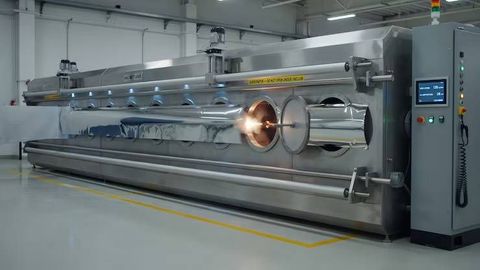
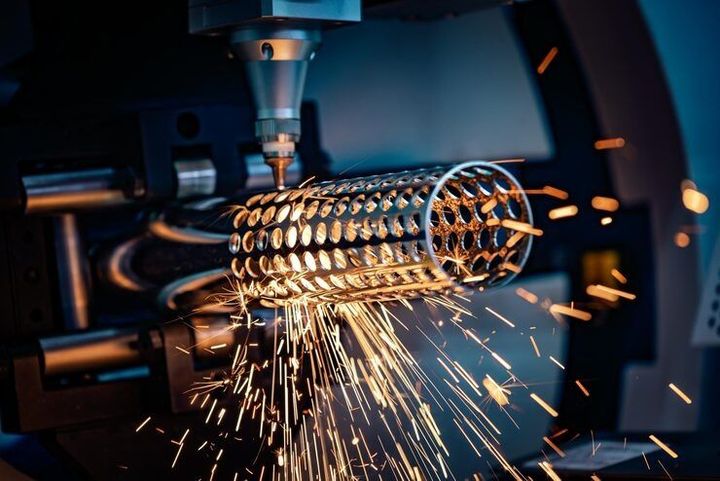
Laser cutting machines use concentrated beams of light to cut or engrave materials with high precision. These systems are commonly used in industries requiring detailed shapes and smooth cutting edges.
Laser Cutting Process
Laser systems direct focused energy onto the material surface, generating heat that melts, burns, or vaporizes selected sections.
Laser cutting operations commonly involve:
- Material alignment
- Beam positioning
- Computer-controlled cutting paths
- Cooling and exhaust systems
This process supports precise cutting with limited physical contact between the machine and the material.
Industrial Applications of Laser Cutting
Laser cutting systems are widely used in:
- Automotive component manufacturing
- Electronics fabrication
- Metal signage production
- Medical equipment manufacturing
- Industrial enclosure fabrication
The technology is especially useful for thin metals and detailed design patterns.
Fiber and CO2 Laser Systems
Industrial laser cutting machines are generally categorized by laser source type.
Common systems include:
| Laser Type | Typical Application | Common Material |
|---|---|---|
| Fiber Laser | Metal cutting | Stainless steel and aluminum |
| CO2 Laser | Non-metal processing | Wood, acrylic, and plastics |
| Solid-State Laser | Precision industrial work | Specialized components |
Different laser technologies are selected based on production requirements and material compatibility.
Precision Manufacturing Solutions
Precision manufacturing solutions combine cutting technology, software systems, automation equipment, and quality inspection tools.
Automated Material Handling
Modern cutting facilities often use robotic systems and conveyor equipment to transport raw materials and finished components.
Automated handling systems support:
- Material loading
- Sheet positioning
- Component sorting
- Production line movement
These systems help improve workflow coordination in industrial facilities.
Digital Design and Simulation
Manufacturers use CAD and CAM software to create cutting designs and simulate production processes before machining begins.
Software systems may support:
- 3D design modeling
- Tool path analysis
- Production planning
- Material optimization
Digital simulations help reduce production errors and improve cutting efficiency.
Quality Inspection Systems
Precision manufacturing operations often include automated inspection equipment to evaluate component dimensions and cutting quality.
Inspection technologies may include:
- Laser measurement systems
- Optical scanning equipment
- Surface inspection cameras
- Coordinate measuring machines
These systems help maintain manufacturing consistency.
Recent Updates
Between 2024 and 2026, industrial cutting machines continued evolving through automation, digital integration, and energy-efficient production technologies.
Growth of Smart Manufacturing Systems
Many cutting machines now include digital monitoring systems connected to centralized factory platforms.
Recent developments include:
- Remote machine diagnostics
- Predictive maintenance alerts
- Production performance tracking
- Cloud-connected manufacturing systems
These technologies support industrial automation and equipment management.
Expansion of Fiber Laser Technology
Fiber laser systems continue expanding in industrial metal fabrication due to improvements in cutting speed and energy management.
Industries increasing fiber laser adoption include:
- Automotive manufacturing
- Heavy equipment fabrication
- Electronics production
- Industrial metal processing
AI-Assisted Production Monitoring
Artificial intelligence systems are increasingly used to analyze machine performance and production patterns.
Applications include:
- Automated defect detection
- Cutting path optimization
- Predictive maintenance analysis
- Material usage monitoring
Sustainable Manufacturing Focus
Manufacturers are also focusing on reducing energy consumption and material waste in cutting operations through improved software controls and efficient machine designs.
Laws or Policies
Industrial cutting machines are influenced by workplace safety regulations, environmental standards, and industrial equipment policies.
Workplace Safety Requirements
Factories operating cutting machinery generally follow regulations related to:
- Machine guarding systems
- Operator safety procedures
- Ventilation requirements
- Laser safety protection
- Electrical safety standards
Industrial inspections may evaluate machine operation and workplace conditions.
Environmental Regulations
Cutting operations involving smoke, dust, or chemical emissions may require environmental control systems.
Regulations often focus on:
- Air filtration systems
- Waste material handling
- Noise management
- Energy efficiency practices
Equipment Certification Standards
Industrial machinery manufacturers may follow technical standards related to:
- Electrical performance
- Machine reliability
- Operational safety
- Automation compatibility
Compliance requirements vary depending on machine type and industrial application.
Tools and Resources
Several digital tools and industrial resources support industrial cutting operations and manufacturing management.
CAD and CAM Software
Design and manufacturing software helps engineers create cutting programs and production layouts.
Common functions include:
- Component modeling
- Tool path generation
- Material layout planning
- Machine simulation
Machine Monitoring Platforms
Factories often use digital monitoring systems to track machine performance and maintenance schedules.
Monitoring tools may display:
- Equipment status
- Production speed
- Error notifications
- Maintenance records
Precision Measurement Equipment
Inspection tools help manufacturers verify component dimensions and cutting accuracy during production operations.
FAQs
What are industrial cutting machines used for?
Industrial cutting machines are used to cut, shape, engrave, and process materials such as metal, wood, plastic, and composite materials in manufacturing industries.
How do CNC cutting systems work?
CNC cutting systems use computer-controlled software to guide machine movement and cutting tools according to digital production designs.
What is the difference between laser cutting and mechanical cutting?
Laser cutting uses concentrated light energy to process materials, while mechanical cutting uses physical tools such as blades, drills, or milling equipment.
Which industries use precision manufacturing solutions?
Industries using precision manufacturing solutions include automotive production, aerospace engineering, electronics manufacturing, construction equipment fabrication, and industrial metalworking.
Why are fiber laser cutting machines widely used?
Fiber laser cutting machines are commonly used because they support accurate metal cutting, automated production integration, and efficient processing of industrial materials.
Conclusion
Industrial cutting machines are important components of modern manufacturing and precision engineering operations. CNC systems, laser cutting technologies, and automated manufacturing solutions help industries process materials with controlled accuracy and improved production efficiency. These machines support sectors such as automotive manufacturing, electronics production, aerospace engineering, and industrial fabrication. Recent developments in smart manufacturing, fiber laser technology, and AI-assisted monitoring continue shaping industrial cutting operations. Workplace regulations, environmental standards, and digital production systems also influence how industrial cutting machinery is designed and operated.