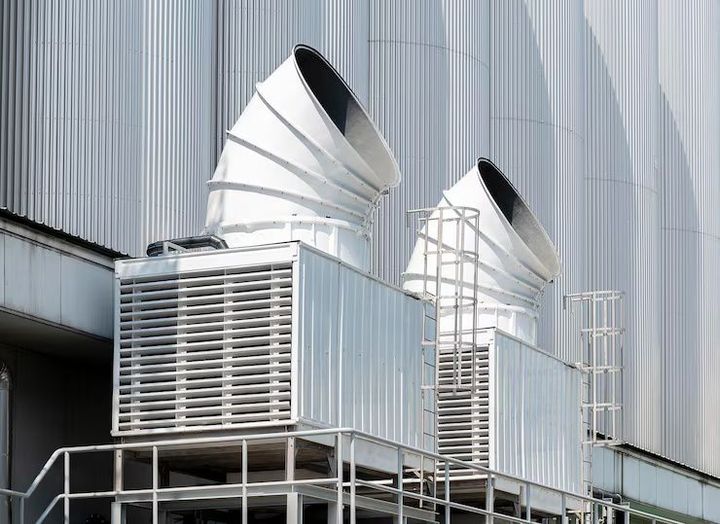
Industrial Chiller Machine Manufacturers Explained for Modern Cooling Technology Solutions
Industrial chiller machine manufacturers play an important role in modern cooling technology across many industries worldwide. These manufacturers develop systems designed to regulate temperatures in industrial environments where equipment, machinery, and production processes generate significant heat. Chiller machines help maintain stable operating conditions, improve efficiency, and support equipment reliability.
As industries continue to adopt automation, digital monitoring, and energy management systems, industrial cooling technologies have become more advanced and adaptable. Modern chiller systems are now integrated with smart controls, remote diagnostics, and energy optimization features that support continuous operations in manufacturing, processing, and infrastructure environments.
Over the past few years, demand for industrial cooling systems has increased due to expanding industrial automation, data processing requirements, and environmental efficiency goals. Many organizations globally are reviewing cooling infrastructure to improve operational stability while reducing unnecessary energy consumption. This has encouraged industrial chiller machine manufacturers to focus on scalable, flexible, and environmentally responsible technologies.
For beginners, understanding industrial chillers can appear complex because of the different system types, cooling methods, and operational requirements involved. Learning how manufacturers design and improve these systems helps explain why industrial cooling remains a critical component in modern technology environments. The following sections explore how these systems work, who depends on them, and what trends are shaping the industry today.
Who it affects and what problems it solves
Industrial chiller machine manufacturers affect a broad range of industries that depend on controlled cooling environments. Manufacturing facilities, processing plants, healthcare systems, food processing operations, data infrastructure centers, chemical facilities, and automation-focused industries all rely on industrial cooling technology to maintain operational efficiency and equipment protection.
Professionals involved in engineering, maintenance management, production planning, automation systems, and facility operations often work directly with industrial cooling equipment. These systems help prevent overheating, reduce equipment stress, stabilize temperatures, and support consistent production quality. Without proper cooling management, machinery performance may become unstable, leading to interruptions, reduced lifespan, or operational inefficiencies.
One common challenge organizations face is selecting the correct chiller configuration for their operational environment. Some facilities require air-cooled systems for flexible installation, while others depend on water-cooled systems for high-capacity cooling performance. Misunderstanding cooling capacity requirements or environmental conditions can lead to inefficient system performance and increased maintenance complexity.
Another issue involves energy management. Many older cooling systems operate continuously without adaptive controls, resulting in unnecessary energy use during periods of lower demand. Modern industrial chiller machine manufacturers increasingly address this problem through variable-speed compressors, automated monitoring systems, and intelligent temperature management platforms.
Growing organizations also face scalability concerns. As production expands, cooling systems must support higher operational loads without disrupting efficiency. Manufacturers therefore focus on modular designs and integrated automation systems that allow facilities to expand cooling capacity gradually while maintaining operational reliability.
Recent updates and industry trends
Over the past year, industrial chiller machine manufacturers have accelerated the development of energy-efficient cooling technologies designed to support automation-driven industries. Recent industry research suggests that many organizations globally are prioritizing operational efficiency, predictive maintenance, and environmental sustainability when modernizing cooling infrastructure.
One major trend involves the integration of smart monitoring platforms with industrial chillers. Many systems now include sensors, remote diagnostics, and cloud-connected monitoring software that allow operators to track temperature performance, energy use, and maintenance conditions in real time. These developments improve system visibility and reduce unexpected operational interruptions.
Another important advancement involves environmentally conscious refrigerant technologies. Manufacturers are gradually transitioning toward refrigerants with lower environmental impact while maintaining cooling performance and operational stability. This shift aligns with broader industrial sustainability initiatives and evolving international environmental expectations.
Automation has also become more common in modern cooling systems. Variable-speed drives, adaptive cooling controls, and AI-supported optimization tools help facilities manage fluctuating cooling demands more efficiently. Many organizations globally are using these technologies to improve energy management and support continuous production environments.
Modular chiller configurations are gaining attention as well. Instead of relying on a single large system, facilities increasingly use scalable modular units that simplify maintenance, improve redundancy, and support future expansion. This approach is particularly useful in industries experiencing rapid operational growth or evolving production requirements.
Comparison of industrial chiller system approaches
Different industrial chiller technologies are designed to support varying operational environments, cooling capacities, and infrastructure needs. The following comparison highlights important practical differences between common cooling approaches and modern manufacturing priorities.
| Comparison Factor | Air-Cooled Chillers | Water-Cooled Chillers |
|---|---|---|
| Energy efficiency | Moderate efficiency | Higher efficiency in large systems |
| Installation complexity | Simpler installation | More complex infrastructure |
| Space requirements | Suitable for open spaces | Requires cooling tower support |
| Maintenance demands | Easier routine maintenance | More maintenance components |
| Cooling capacity | Medium-scale operations | Large-scale industrial systems |
| Noise levels | Higher outdoor noise | Generally quieter operation |
| Water usage | Minimal water dependency | Continuous water circulation |
| Scalability | Flexible expansion options | Better for centralized systems |
| Automation integration | Common in modern systems | Advanced integration capability |
| Environmental adaptability | Effective in moderate climates | Stable in heavy-load operations |
The comparison shows that industrial chiller machine manufacturers design systems based on operational priorities rather than a single universal solution. Air-cooled chillers are often selected for simpler installations and flexible deployment, while water-cooled systems support higher efficiency in demanding industrial environments.
Another important insight is that automation and scalability are now essential considerations in both system categories. Many organizations globally prioritize systems that support remote monitoring, modular expansion, and energy optimization to improve long-term operational stability.
Regulations and practical guidance
Industrial cooling systems operate within a framework of international standards, environmental expectations, and operational safety guidelines. Industrial chiller machine manufacturers must design systems that support safe operation, energy efficiency, refrigerant management, and reliable temperature control across various industrial sectors.
Safety expectations typically include pressure management systems, emergency shutdown controls, leak detection technologies, and thermal monitoring capabilities. Proper installation, routine inspections, and preventive maintenance remain essential for minimizing operational risks and supporting long-term equipment reliability.
Environmental considerations are also becoming increasingly important. Many industrial facilities now evaluate refrigerant efficiency, energy consumption patterns, and cooling system emissions as part of broader sustainability initiatives. Manufacturers are responding by improving compressor efficiency, reducing operational waste, and supporting environmentally responsible cooling technologies.
Compliance considerations often depend on industry-specific operational requirements and local implementation standards. Organizations generally review electrical compatibility, cooling load calculations, ventilation conditions, and maintenance accessibility before implementing industrial chiller systems. Documentation, technician training, and performance monitoring are also considered important operational best practices.
Another practical recommendation involves conducting regular performance evaluations. Monitoring temperature consistency, compressor efficiency, and energy consumption helps organizations identify operational inefficiencies before they become major system issues. Preventive maintenance programs remain one of the most effective methods for maintaining cooling reliability and extending equipment lifespan.
Which option suits different situations?
Small operations often benefit from compact air-cooled systems because they are easier to install and require less supporting infrastructure. These systems are commonly used in facilities with moderate cooling demands and limited installation space.
Large-scale systems generally rely on water-cooled chillers due to their ability to support continuous high-capacity operations. These environments often prioritize energy efficiency, centralized cooling control, and scalable infrastructure planning.
Beginners entering industrial cooling management may prefer systems with simplified automation dashboards and remote monitoring tools. These technologies improve visibility and help operators understand performance conditions more effectively.
Experienced professionals and growing organizations typically focus on modular scalability, advanced automation integration, and predictive maintenance capabilities. These features support long-term operational planning and help facilities adapt to changing production requirements.
Tools and resources
Modern industrial cooling management often depends on digital tools, monitoring systems, and operational resources that improve efficiency and maintenance planning.
Energy Monitoring Software — Tracks cooling performance, power consumption, and operational efficiency trends.
Predictive Maintenance Platforms — Uses sensor data to identify maintenance risks before system interruptions occur.
Cooling Load Calculators — Helps estimate operational cooling requirements for facility planning.
Industrial Automation Systems — Integrates chillers with broader production and facility management controls.
Thermal Imaging Devices — Supports equipment inspections by identifying overheating components.
Maintenance Scheduling Templates — Organizes preventive maintenance intervals and inspection routines.
Environmental Compliance Tracking Systems — Assists organizations in monitoring refrigerant management and sustainability objectives.
Frequently asked questions
What is an industrial chiller machine?
An industrial chiller machine is a cooling system designed to remove heat from industrial equipment, machinery, or production environments. These systems help maintain stable temperatures and prevent overheating during operations. Industrial chillers are commonly used in manufacturing, automation, processing facilities, and technology infrastructure where temperature control is essential for equipment reliability and operational efficiency.
What is the difference between air-cooled and water-cooled chillers?
Air-cooled chillers use surrounding air to release heat, while water-cooled chillers use circulating water systems for heat removal. Air-cooled systems are generally simpler to install and maintain, whereas water-cooled systems are often preferred for larger operations requiring higher cooling efficiency. The appropriate option depends on operational scale, infrastructure design, and cooling capacity requirements.
Why are automation features important in modern chillers?
Automation features improve operational visibility, energy management, and system reliability. Smart sensors, remote monitoring tools, and adaptive cooling controls help organizations track performance conditions in real time. These technologies also support predictive maintenance and reduce unnecessary energy consumption by adjusting cooling output according to operational demand.
Are industrial chillers environmentally regulated?
Industrial chillers are commonly subject to environmental and operational standards related to refrigerants, energy efficiency, and safety performance. Requirements may vary depending on industry practices and implementation guidelines. Many industrial chiller machine manufacturers now focus on environmentally responsible refrigerants and energy-efficient system designs to align with global sustainability expectations.
What trends may shape the future of industrial cooling technology?
Future trends are likely to include greater automation integration, AI-supported optimization systems, environmentally advanced refrigerants, and modular cooling infrastructure. Many organizations globally are also exploring predictive maintenance platforms and intelligent energy management systems to improve operational efficiency while reducing environmental impact and maintenance complexity.
Conclusion
Industrial chiller machine manufacturers continue to shape modern cooling technology through advancements in automation, energy efficiency, scalability, and operational reliability. As industrial systems become more connected and technology-driven, cooling infrastructure plays an increasingly important role in maintaining stable production environments and protecting valuable equipment.
Understanding the differences between cooling system types, automation capabilities, maintenance requirements, and environmental considerations helps organizations make informed operational decisions. Modern industrial cooling technologies are no longer limited to temperature management alone; they now support broader efficiency, sustainability, and infrastructure planning objectives across many industries worldwide.
Looking ahead, global industries are expected to continue investing in smart monitoring systems, environmentally responsible refrigerants, predictive maintenance platforms, and modular cooling solutions. Organizations monitoring these developments carefully may be better prepared to adapt to changing operational requirements and future industrial technology expectations.