Glass Recycling Machines for Industrial Recycling Trends
Glass recycling machines are industrial systems designed to process used glass materials into reusable raw materials. These machines help separate, crush, clean, and prepare glass waste for reuse in manufacturing and construction industries. As global waste management challenges continue to increase, recycling technologies have become an important part of sustainable industrial operations.
Glass is one of the few materials that can be recycled repeatedly without losing quality. However, proper recycling requires specialized equipment capable of handling different types of glass safely and efficiently. Glass recycling machines were developed to reduce landfill pressure, improve material recovery, and support circular economy practices.
Today, recycling facilities, manufacturing plants, municipal waste centers, and environmental management organizations rely on advanced recycling machinery to process large volumes of glass waste. These systems are commonly used for beverage containers, industrial glass, automotive glass, and construction materials.
Understanding How Glass Recycling Machines Work
Modern glass recycling systems usually involve multiple stages of processing. Each stage helps improve the purity and usability of recycled glass materials.
| Recycling Stage | Purpose |
|---|---|
| Collection | Gathering glass waste from households and industries |
| Sorting | Separating glass by color and material type |
| Crushing | Breaking glass into smaller fragments |
| Cleaning | Removing labels, metals, and contaminants |
| Screening | Separating particles by size |
| Processing | Preparing cullet for industrial reuse |
The final processed material is commonly known as “glass cullet.” This material can be reused in glass manufacturing, road construction, insulation products, and industrial applications.
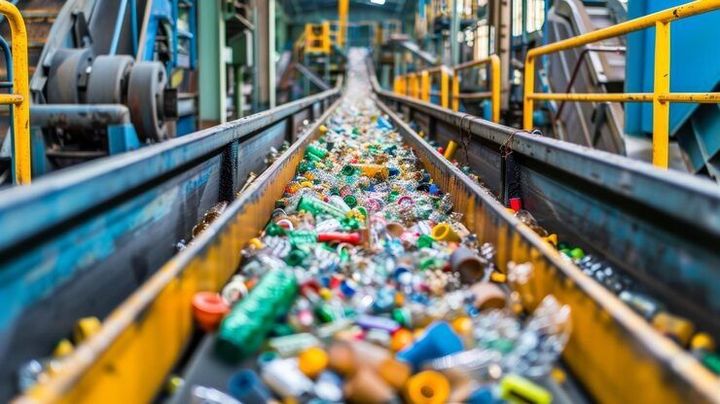
Advanced recycling systems often use automation technologies such as optical sorting sensors, conveyor systems, and magnetic separators. These technologies help improve operational efficiency and reduce contamination levels.
Why Glass Recycling Machines Matter Today
Glass recycling technology has become increasingly important because of rising environmental concerns and industrial sustainability goals. Many countries are focusing on reducing landfill waste and encouraging material reuse across industries.
Glass waste can remain in landfills for thousands of years. Recycling machines help divert large quantities of waste from disposal sites while conserving natural resources such as sand, soda ash, and limestone.
Several industries benefit from glass recycling systems, including:
- Food and beverage manufacturing
- Construction and infrastructure
- Automotive manufacturing
- Waste management operations
- Packaging industries
- Environmental agencies
Recycling glass also helps reduce energy consumption in manufacturing processes. Recycled glass melts at lower temperatures than raw materials, which can reduce industrial fuel usage and greenhouse gas emissions.
Environmental Benefits of Industrial Glass Recycling
Industrial recycling systems provide multiple environmental advantages that support sustainability initiatives worldwide.
Reduced Landfill Waste
Large amounts of glass waste are generated every year through packaging, construction, and industrial use. Recycling machines help reduce the volume of waste sent to landfills.
Lower Carbon Emissions
Using recycled glass in manufacturing typically requires less energy compared to producing new glass from raw materials. Lower energy demand contributes to reduced carbon emissions.
Resource Conservation
Glass recycling reduces the need for mining natural raw materials. This helps conserve ecosystems and reduce environmental disruption caused by extraction activities.
Improved Circular Economy Practices
Glass recycling supports circular economy systems where materials remain in use for longer periods instead of becoming waste.
Industrial Applications of Recycled Glass Materials
Recycled glass materials are used in many industrial sectors. Processed cullet can serve as a raw material in several manufacturing applications.
| Industry | Common Use of Recycled Glass |
|---|---|
| Packaging | New bottles and containers |
| Construction | Concrete additives and insulation |
| Road Infrastructure | Asphalt and road base materials |
| Manufacturing | Industrial abrasives |
| Filtration Systems | Water filtration media |
The growing demand for sustainable materials has increased interest in recycled glass products across global industries.
Recent Trends and Developments in Glass Recycling
Over the past year, several developments have influenced the glass recycling industry.
In 2025, many recycling facilities introduced artificial intelligence and sensor-based sorting systems to improve recycling accuracy. Automated sorting technologies can identify glass colors and remove contaminants more efficiently than manual systems.
Several countries also expanded circular economy programs during 2025 to improve recycling targets and reduce industrial waste. Governments in Europe, Asia, and North America announced updated sustainability strategies focused on material recovery and recycling infrastructure.
Another recent trend involves the integration of smart monitoring systems in recycling facilities. These systems help operators track machine performance, maintenance schedules, and material processing rates in real time.
Energy-efficient recycling machinery has also gained attention. New systems are being designed to reduce power consumption while maintaining high processing capacity.
Global Recycling Trends and Sustainability Goals
Many countries are setting ambitious recycling and sustainability targets to address climate and waste management challenges.
The following table highlights key recycling trends observed during 2025:
| Trend | Industry Impact |
|---|---|
| Smart Sorting Systems | Improved recycling accuracy |
| Automated Processing | Reduced manual labor dependency |
| Circular Economy Policies | Increased recycling investments |
| Energy-Efficient Machinery | Lower industrial energy use |
| Data Monitoring Systems | Better operational management |
Industries are increasingly adopting environmental reporting standards, which encourages greater transparency in waste reduction and recycling performance.
Government Regulations and Recycling Policies
Glass recycling operations are affected by environmental regulations, industrial waste management rules, and sustainability frameworks. Different countries apply different recycling requirements based on local environmental policies.
In many regions, governments encourage recycling through waste separation programs and industrial environmental guidelines.
Common regulatory areas include:
- Waste collection and segregation requirements
- Industrial recycling standards
- Environmental impact regulations
- Landfill reduction policies
- Packaging sustainability guidelines
Extended Producer Responsibility programs have also expanded in several countries. These programs encourage manufacturers to participate in recycling and waste reduction efforts throughout the product lifecycle.
Many municipal authorities now require improved recycling infrastructure as part of urban environmental planning strategies.
Challenges Facing the Glass Recycling Industry
Although recycling technology has improved significantly, the industry still faces several operational and environmental challenges.
Contamination Problems
Mixed materials such as ceramics, plastics, and metals can reduce recycling efficiency and affect the quality of recycled glass.
Transportation Limitations
Glass waste is heavy and fragile, making transportation more difficult compared to some recyclable materials.
Infrastructure Gaps
Some regions still lack modern recycling facilities capable of handling high processing volumes efficiently.
Energy Consumption
Industrial recycling machinery requires energy for crushing, sorting, and cleaning processes. Energy-efficient technologies continue to be an important focus area.
Helpful Tools and Resources for Glass Recycling
Several types of digital tools and operational resources can support industrial recycling management and environmental planning.
Useful resources include:
- Waste tracking software
- Industrial recycling calculators
- Environmental reporting templates
- Sustainability assessment platforms
- Recycling process monitoring systems
- Material recovery analysis tools
- Industrial maintenance scheduling applications
Educational resources and environmental training programs also help industries improve recycling awareness and operational practices.
Future Outlook for Glass Recycling Technology
The future of glass recycling is expected to focus on automation, energy efficiency, and circular economy integration.
Emerging technologies may improve material recovery rates while reducing operational waste. Artificial intelligence, robotics, and smart analytics are likely to become more common in recycling facilities over the next few years.
Researchers are also exploring innovative uses for recycled glass materials in construction, renewable energy systems, and sustainable manufacturing.
As governments continue to strengthen environmental policies, industrial recycling systems are expected to play a larger role in waste management strategies worldwide.
Frequently Asked Questions About Glass Recycling Machines
What are glass recycling machines used for?
Glass recycling machines process used glass materials by sorting, crushing, cleaning, and preparing them for reuse in manufacturing and industrial applications.
Why is glass recycling important?
Glass recycling helps reduce landfill waste, conserve natural resources, lower industrial energy consumption, and support environmental sustainability goals.
Can glass be recycled multiple times?
Yes. Glass can typically be recycled repeatedly without losing its quality or structural properties.
What industries use recycled glass materials?
Industries such as packaging, construction, automotive manufacturing, filtration systems, and infrastructure development commonly use recycled glass materials.
What are the biggest challenges in glass recycling?
Major challenges include contamination, transportation costs, infrastructure limitations, and maintaining energy-efficient recycling operations.
Conclusion
Glass recycling machines have become an important part of modern industrial recycling systems and environmental sustainability efforts. These technologies help industries process large amounts of glass waste efficiently while supporting resource conservation and landfill reduction goals.
Recent developments in automation, smart monitoring systems, and circular economy policies continue to shape the future of glass recycling. Governments, industries, and environmental organizations are increasingly focusing on sustainable waste management practices that improve material recovery and reduce environmental impact.