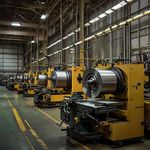
Beierrecycling Plastic Pelletizing Machine Insights
Plastic pelletizing machines are important industrial systems used in the recycling and plastic processing sector. These machines convert processed plastic waste into small pellets that can later be reused in manufacturing applications. The pellet form makes recycled plastic easier to store, transport, and process for future production cycles.
The growing focus on waste management and material recovery has increased attention toward recycling technologies across many industries. Plastic pelletizing equipment exists to help reduce discarded plastic materials and improve the reuse of polymers in packaging, automotive parts, construction materials, and consumer products.
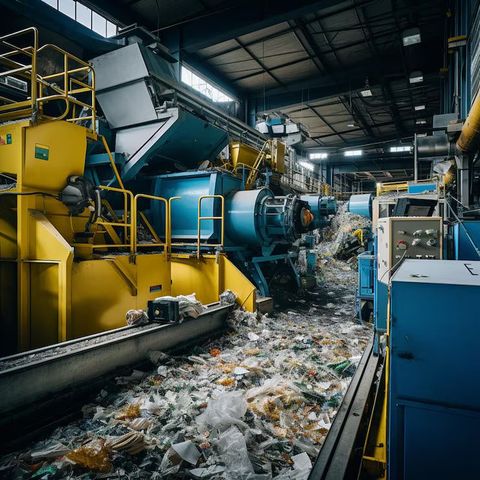
In modern recycling facilities, plastic waste usually passes through several stages before pelletizing begins. These stages may include sorting, shredding, washing, drying, melting, filtering, and extrusion. The pelletizing machine operates during the final stage, where melted plastic is transformed into uniform pellets.
Industries increasingly use advanced pelletizing systems because they help improve consistency, reduce raw material dependency, and support circular economy goals. Many industrial operators also view pelletizing technology as an important part of sustainable manufacturing practices.
Common Materials Used in Pelletizing
| Plastic Type | Common Applications | Recycling Importance |
|---|---|---|
| Polyethylene (PE) | Packaging films | Supports packaging reuse |
| Polypropylene (PP) | Containers and automotive parts | Reduces industrial waste |
| PET | Bottles and textiles | Improves bottle recycling |
| ABS | Electronics and appliances | Supports component recovery |
| PVC | Pipes and construction materials | Helps material reuse |
Why Plastic Pelletizing Technology Matters Today
Plastic recycling has become a major global discussion because plastic waste generation continues to increase every year. Governments, industries, and environmental organizations are searching for ways to reduce landfill dependency and improve recycling efficiency.
Plastic pelletizing machines play a role in this effort because they help convert waste materials into reusable industrial resources. Instead of treating plastic only as waste, pelletizing systems help industries view it as a recoverable material.
Several sectors are affected by this technology, including:
- Packaging manufacturing
- Automotive production
- Consumer goods manufacturing
- Construction industries
- Textile processing
- Waste management operations
One major challenge in recycling is maintaining material quality after repeated processing. Advanced pelletizing systems help improve pellet consistency through better temperature control, filtration systems, and extrusion processes.
Key Industry Benefits
- Supports material recovery processes
- Reduces dependence on virgin plastic materials
- Helps industries improve waste management efficiency
- Encourages circular economy practices
- Assists industrial sustainability goals
- Improves storage and transportation efficiency
Another reason this topic matters today is the increasing pressure on industries to meet environmental compliance standards. Many manufacturing sectors are expected to reduce industrial waste and improve recycling operations. Pelletizing systems support these operational goals by helping recycled materials re-enter production cycles.
Recent Trends and Industry Developments
The recycling equipment industry has experienced several developments during 2025 and late 2024. Growing awareness about sustainability and stricter environmental regulations have influenced industrial investment in recycling technologies.
Automation and Smart Monitoring
Many modern recycling systems now include automated controls and smart monitoring features. These technologies help operators track:
- Temperature levels
- Extrusion pressure
- Pellet size consistency
- Energy efficiency
- Material flow rates
Automation can help improve operational stability and reduce material loss during processing.
Energy Efficiency Improvements
Energy-efficient machinery became a major industry trend during 2025. Manufacturers are focusing on systems that consume lower energy while maintaining production performance. This shift supports environmental targets and industrial sustainability strategies.
Growth of Circular Economy Programs
Several countries expanded circular economy programs in recent years. These programs encourage industries to reuse materials rather than dispose of them after a single use cycle.
The recycling industry has responded by improving technologies related to:
- Plastic sorting
- Material purification
- Pellet quality enhancement
- Waste reduction processes
Increased Demand for Recycled Pellets
Industrial demand for recycled plastic pellets has continued growing in sectors such as packaging and construction. Many manufacturers are exploring recycled materials as part of environmental responsibility initiatives.
The chart below highlights common priorities in modern recycling facilities during 2025.
| Industry Priority | Industry Focus Level |
|---|---|
| Energy Efficiency | High |
| Material Recovery | High |
| Automation | Medium-High |
| Waste Reduction | High |
| Smart Monitoring | Medium |
| Emission Reduction | High |
Environmental Regulations and Recycling Policies
Plastic recycling systems are influenced by environmental laws and industrial regulations in many countries. Governments continue introducing policies that encourage sustainable waste management and responsible material handling.
Extended Producer Responsibility Programs
Several regions have implemented Extended Producer Responsibility frameworks. These policies encourage manufacturers to participate in waste collection and recycling systems for products introduced into the market.
This has increased industrial interest in recycling technologies, including pelletizing equipment.
Plastic Waste Reduction Policies
Many countries introduced plastic reduction targets between 2024 and 2025. These policies aim to:
- Reduce landfill waste
- Encourage recycling infrastructure
- Promote recycled material usage
- Improve waste segregation systems
Industrial Environmental Compliance
Industrial recycling facilities are often required to follow environmental guidelines related to:
- Emissions control
- Wastewater treatment
- Material handling safety
- Energy consumption
- Air quality management
Modern recycling machinery is increasingly designed to align with these operational requirements.
Import and Export Regulations
Plastic recycling industries are also affected by international waste trade regulations. Some countries have introduced tighter controls on imported plastic waste materials to encourage domestic waste processing and recycling development.
As regulations evolve, industries continue adapting recycling operations to maintain environmental compliance and operational efficiency.
Useful Tools and Educational Resources
Industries and researchers use various tools and resources to understand recycling systems and plastic pelletizing technologies more effectively.
Common Industrial Tools
- Material flow analysis tools
- Recycling efficiency calculators
- Energy consumption monitoring systems
- Polymer identification devices
- Extrusion monitoring software
- Temperature control systems
Educational Resources
Many educational platforms and industrial training materials help professionals understand:
- Polymer science basics
- Recycling process management
- Industrial safety practices
- Waste sorting methods
- Sustainable manufacturing concepts
Technical Documentation
Operators often rely on technical resources such as:
- Equipment manuals
- Maintenance schedules
- Industrial compliance checklists
- Material compatibility charts
- Processing parameter guides
Research and Industry Reports
Environmental organizations and industrial research groups regularly publish reports about:
- Plastic recycling rates
- Waste management challenges
- Recycling technology trends
- Sustainability goals
- Circular economy progress
These resources help industries stay informed about changing recycling practices and emerging technologies.
Frequently Asked Questions
What is a plastic pelletizing machine?
A plastic pelletizing machine is industrial equipment that converts processed plastic material into small reusable pellets. These pellets are later used in manufacturing applications.
Why are recycled plastic pellets important?
Recycled pellets help reduce waste generation and support material reuse in manufacturing industries. They also contribute to sustainability and circular economy goals.
Which industries use plastic pelletizing systems?
Packaging, automotive, textile, electronics, and construction industries commonly use recycled plastic pellets in production processes.
How does pelletizing support environmental sustainability?
Pelletizing helps recover usable materials from plastic waste, reducing landfill pressure and supporting resource conservation efforts.
Are recycling regulations becoming stricter?
Many countries introduced stronger recycling and waste management policies during recent years to improve environmental protection and encourage sustainable industrial practices.
Conclusion
Plastic pelletizing machines have become an important part of modern recycling infrastructure. As industries continue focusing on sustainability, waste reduction, and resource recovery, pelletizing systems help support efficient material reuse across many sectors.
The growing interest in circular economy practices and environmental compliance has increased attention toward recycling technologies worldwide. Modern pelletizing systems now include advanced automation, energy management features, and improved processing capabilities that help industries meet changing operational expectations.